
San Antonio Insulation Blog
A San Antonio insulation blog with direct answers about attic insulation, spray foam, blown-in upgrades, R-value, radiant barrier, rebates, and home comfort.
Practical Insulation Answers for Central Texas Homes
This San Antonio insulation blog is written for homeowners who want clear answers before they request an estimate. We cover attic insulation cost, spray foam vs blown-in insulation, attic R-value targets, CPS Energy rebate questions, radiant barrier tradeoffs, and signs that old material should be removed before new insulation is installed.
Use these guides with the main attic insulation, spray foam insulation, blown-in insulation, and radiant barrier pages when you want to compare the options. If you need location-specific help, start with the service-area hub.
How to use these guides
Start with the article that matches the decision in front of you. If the house feels hot upstairs, read about attic depth and R-value. If you are comparing bids, read the cost and product comparison articles. If paperwork or rebates are part of the decision, read the CPS Energy guide before scheduling.
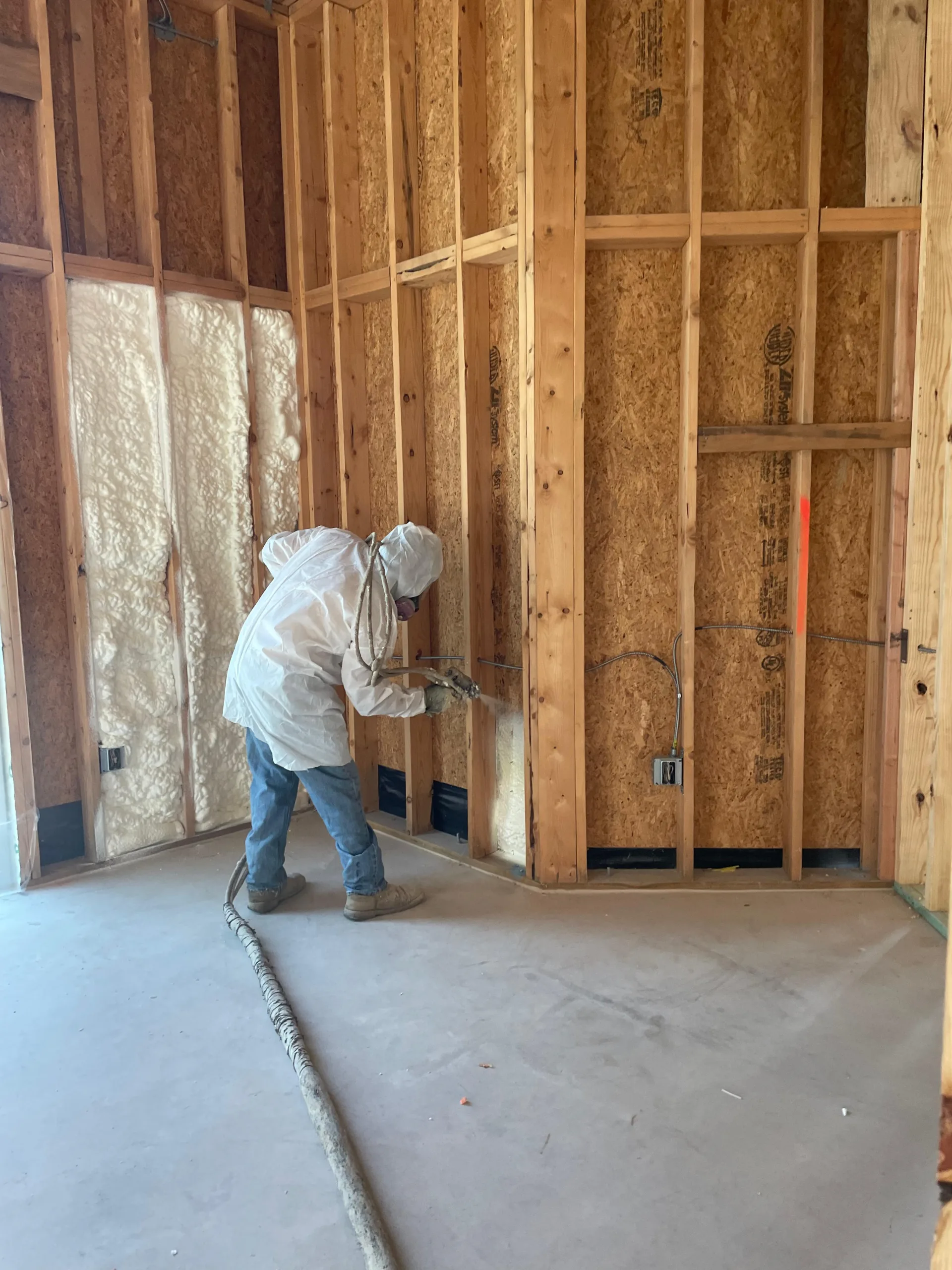
Garage Conversion Insulation in San Antonio: What to Check Before You Finish the Room
Turning a garage into living space changes how that room handles San Antonio heat. Learn which insulation and air-leak details to check before the finishes go up.
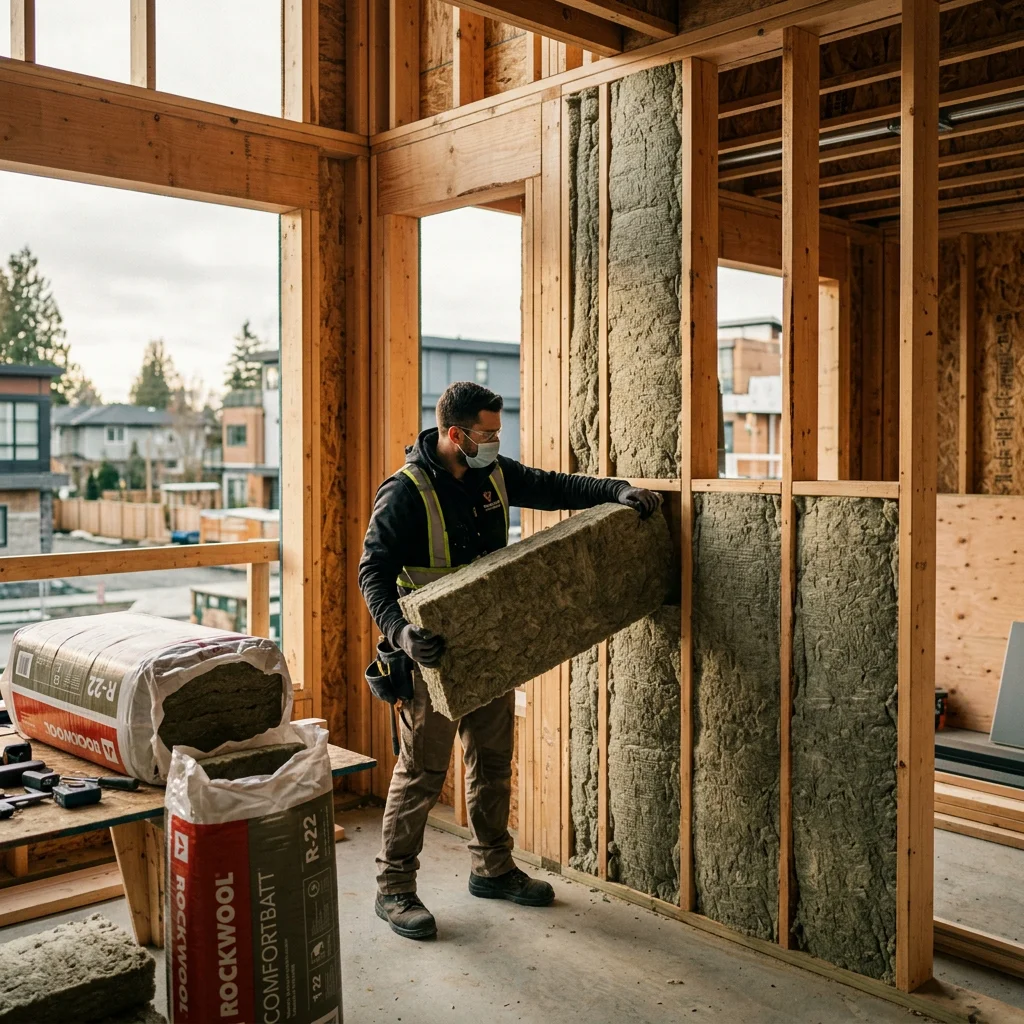
Does Attic Insulation Help in a San Antonio Winter? What Homeowners Should Check
San Antonio winters are short, but attic insulation still affects comfort and HVAC runtime. Learn what to check before a cold-front comfort problem becomes a larger repair.
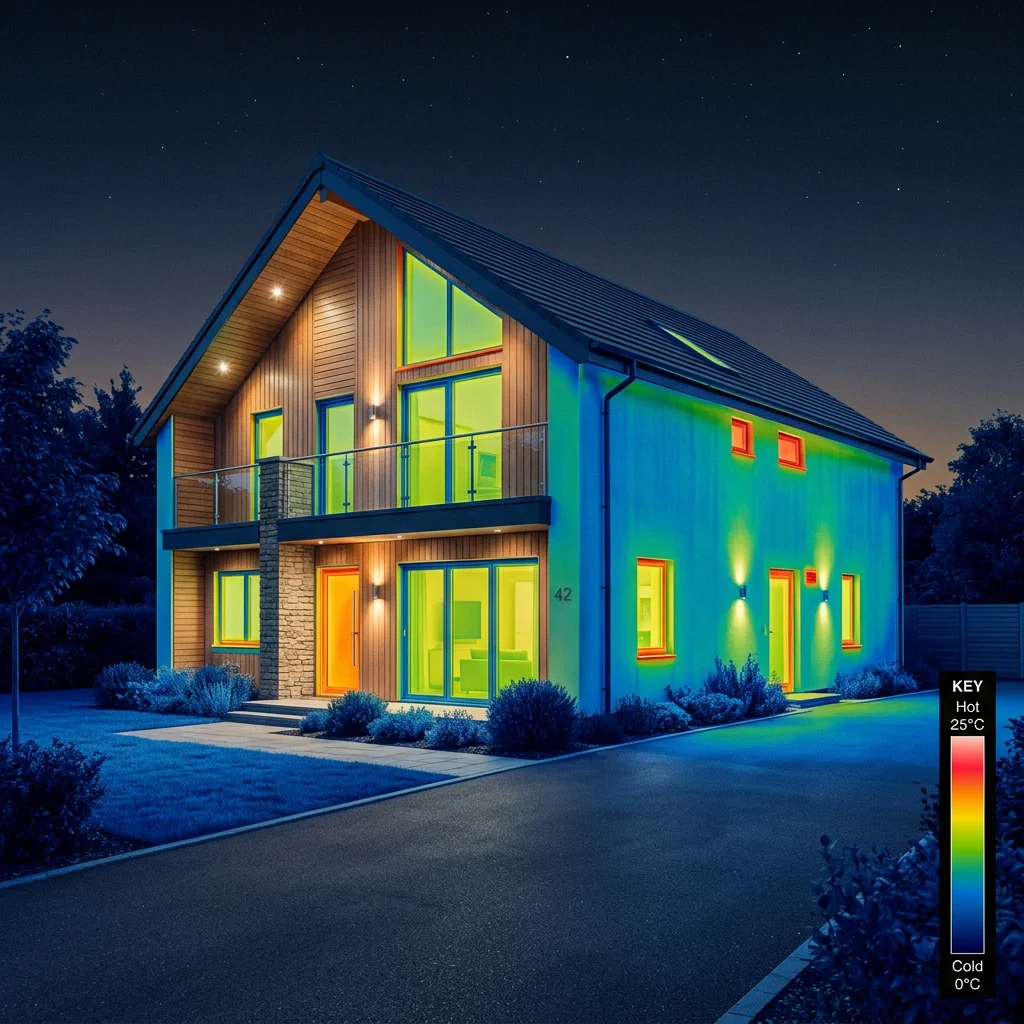
Attic Insulation Around Solar Panels in San Antonio: What to Check Before and After Roof Work
Solar panels sit on the roof, but attic insulation still affects comfort below. Learn what San Antonio homeowners should check before or after solar-related roof work.
Attic Insulation and Indoor Humidity in San Antonio: What It Can—and Cannot—Fix
Attic insulation can reduce heat transfer, but it does not solve every humidity problem. Learn what San Antonio homeowners should inspect before choosing an insulation upgrade.
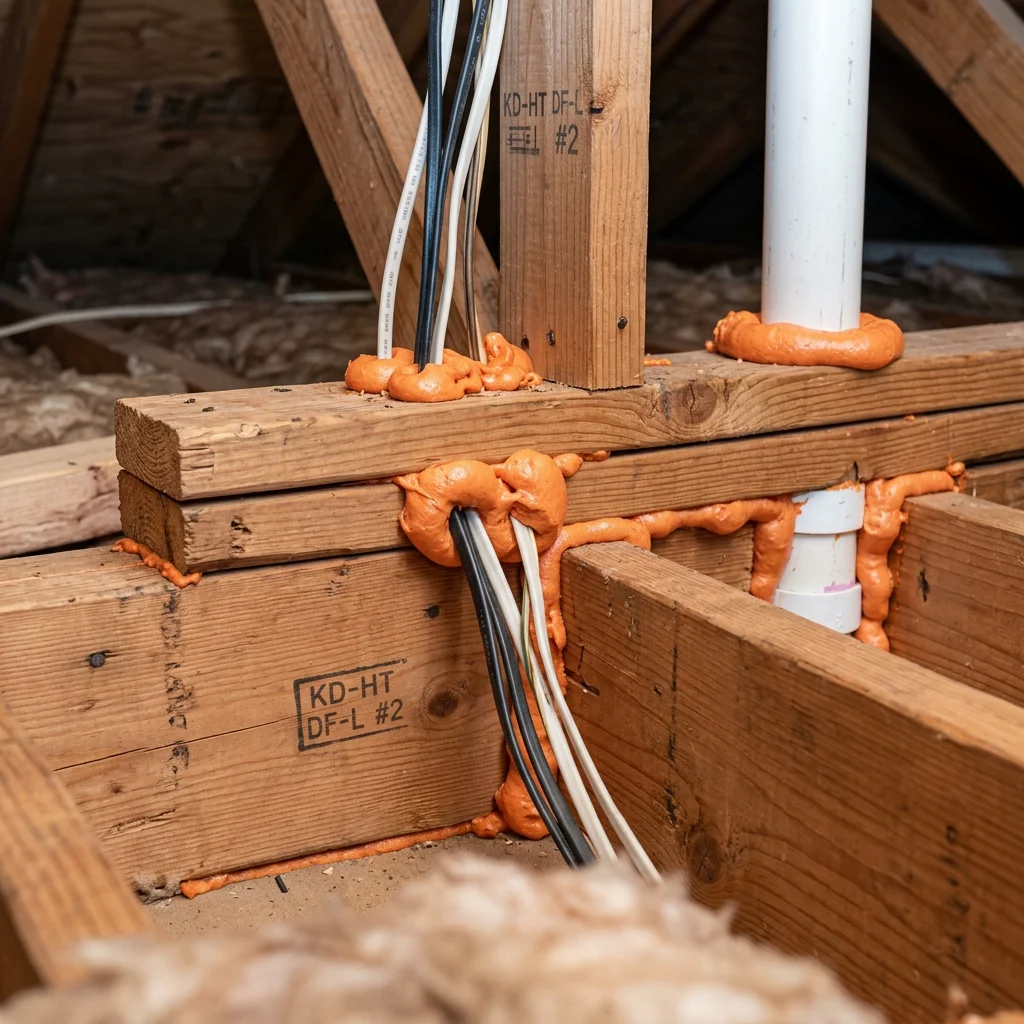
Home Office Insulation in San Antonio: What to Check When One Room Stays Hot
A hot San Antonio home office can involve attic insulation, air leaks, sun exposure, ducts, or the room’s location. Learn what to check before choosing a fix.
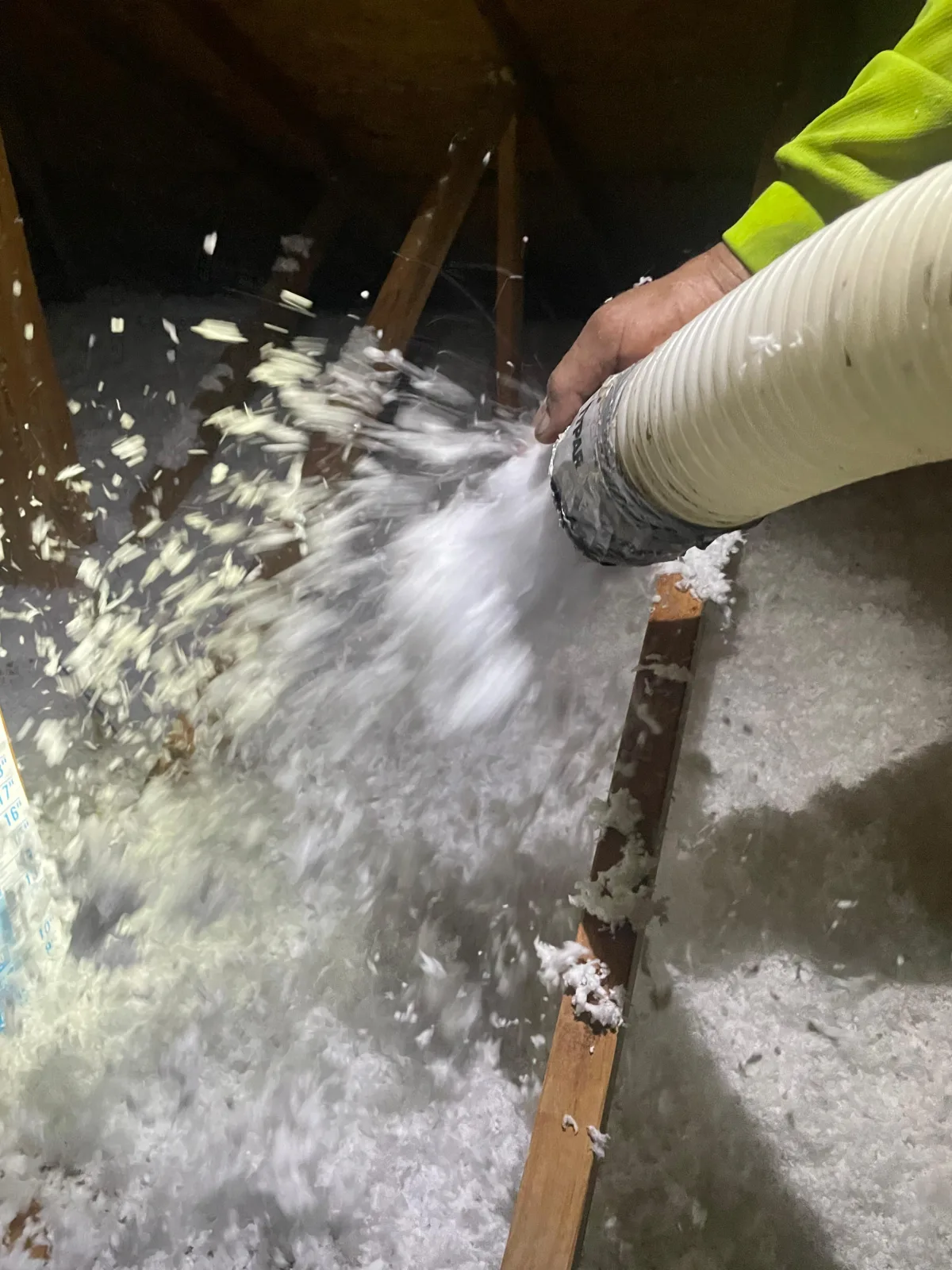
Can You Add Attic Insulation in Summer? A San Antonio Homeowner Guide
Yes, attic insulation can be added during a San Antonio summer when the attic is ready. Learn what to inspect first, how heat affects the work, and when to wait.
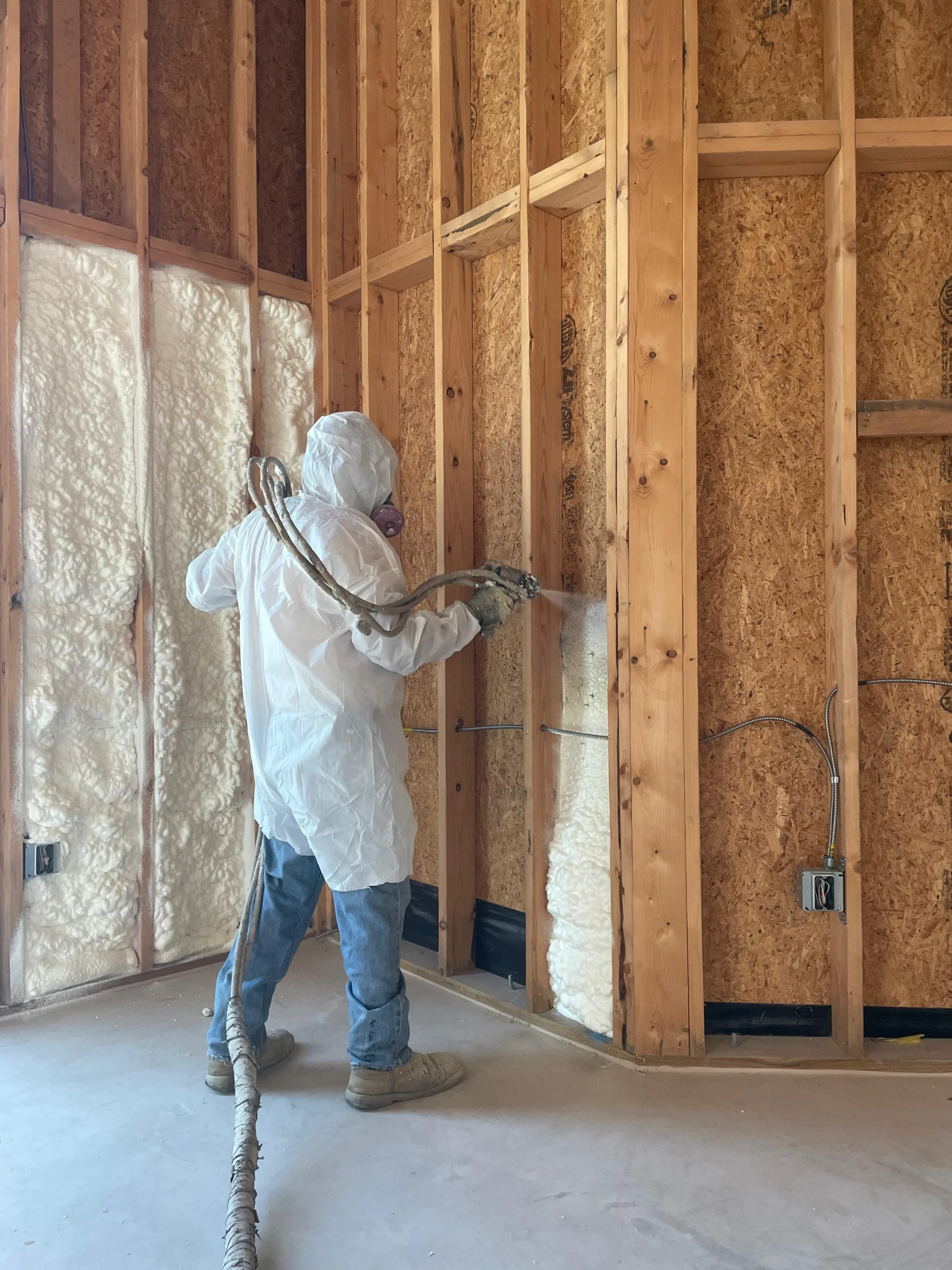
Bulverde Spray Foam Insulation: When a Roofline Plan Fits the Home
Bulverde homeowners can compare spray foam with attic-floor insulation by looking at roofline access, existing attic conditions, air leaks, moisture clues, and comfort goals.
Shavano Park Attic Insulation: What to Check When Upstairs Rooms Stay Warm
Shavano Park homeowners can use an attic inspection to connect warm rooms, long HVAC runtime, and high summer energy bills to visible insulation conditions.
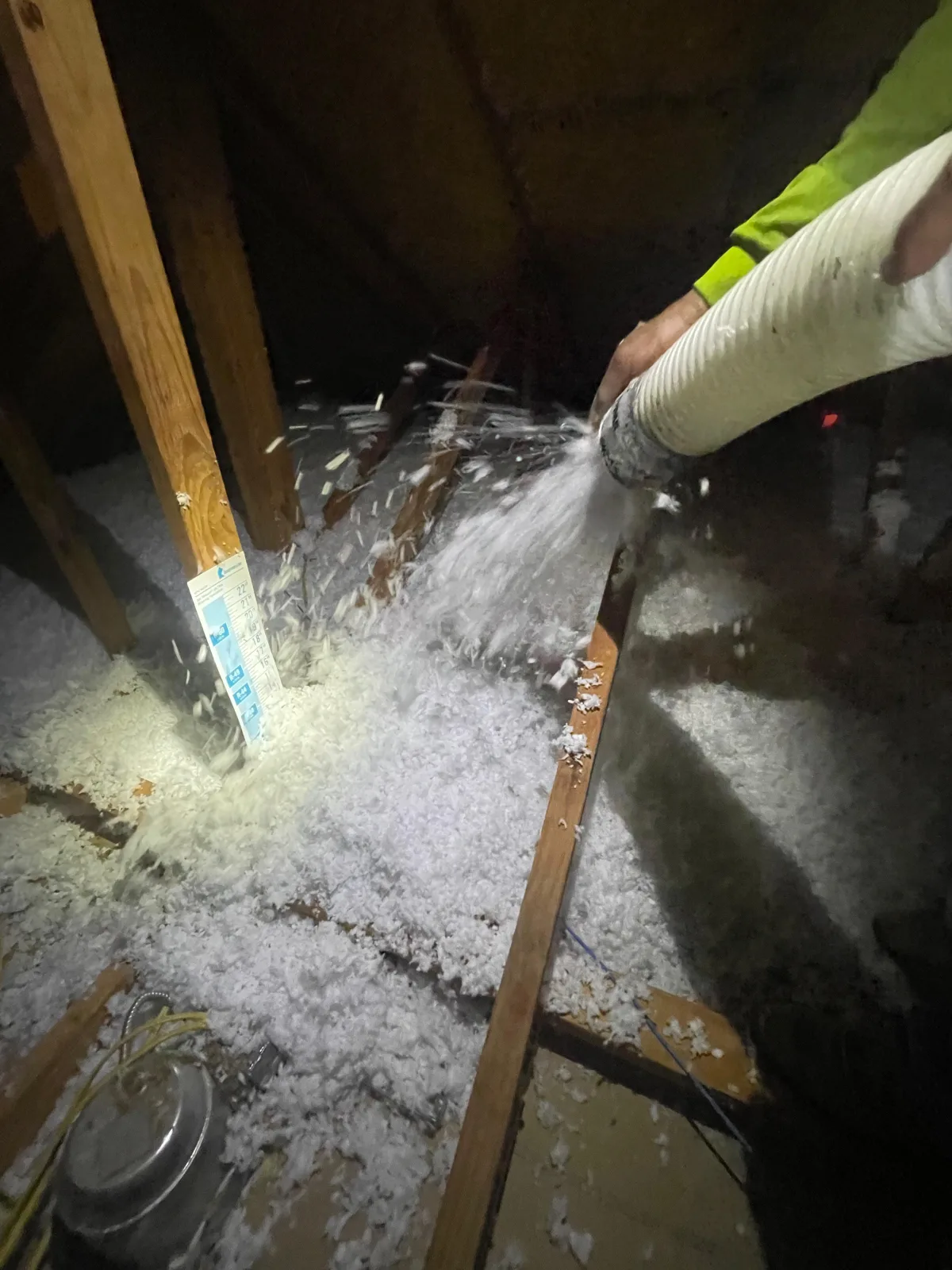
Attic Insulation Before Selling a San Antonio Home: What Is Worth Addressing?
Before listing a San Antonio home, learn which attic insulation concerns are worth inspecting, addressing, or documenting for a clear buyer conversation.
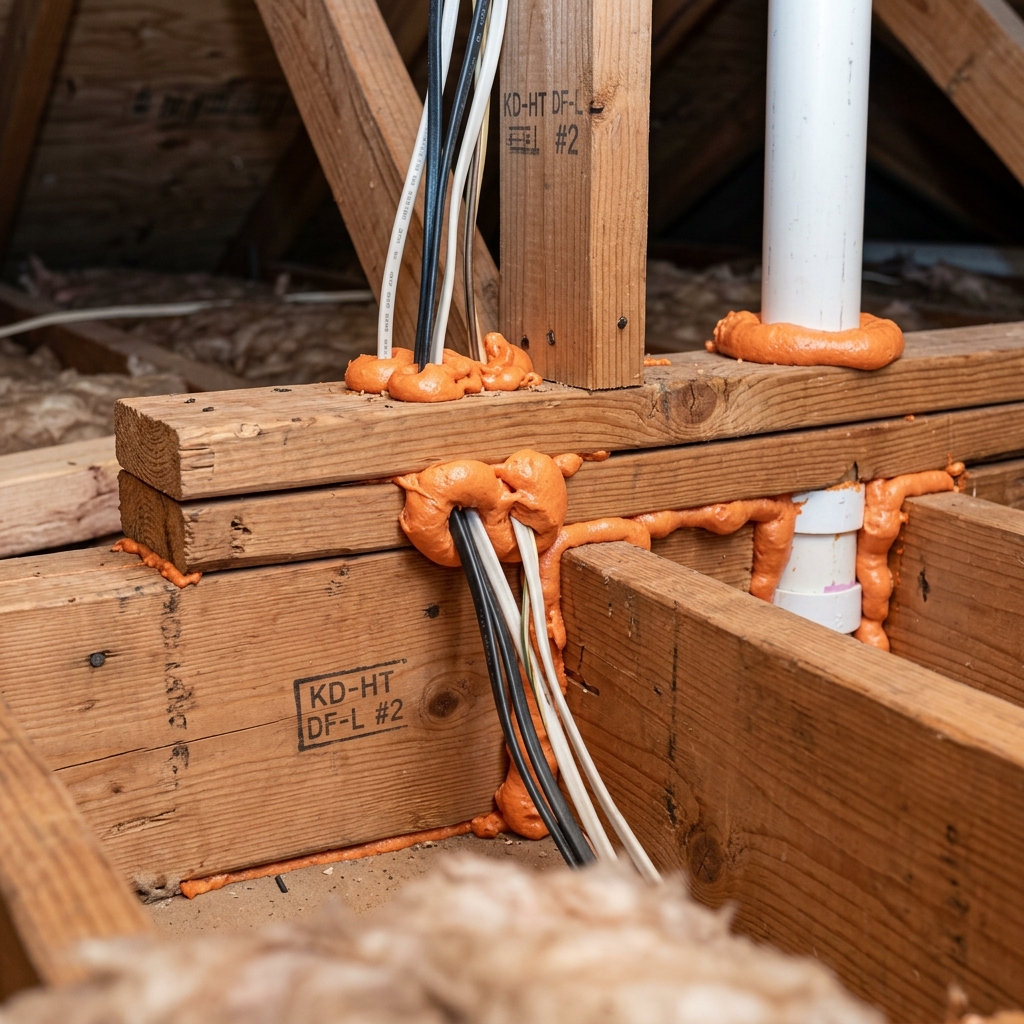
Air Sealing vs. Insulation in San Antonio: Which Comes First?
Air sealing and insulation solve different problems. Learn which San Antonio homeowners should address first when rooms run hot and the AC runs longer.
Insulation During a San Antonio Remodel: What to Do Before Walls Close
A San Antonio remodel is the easiest time to address open cavities, air leaks, attic transitions, and insulation gaps before new drywall hides them.
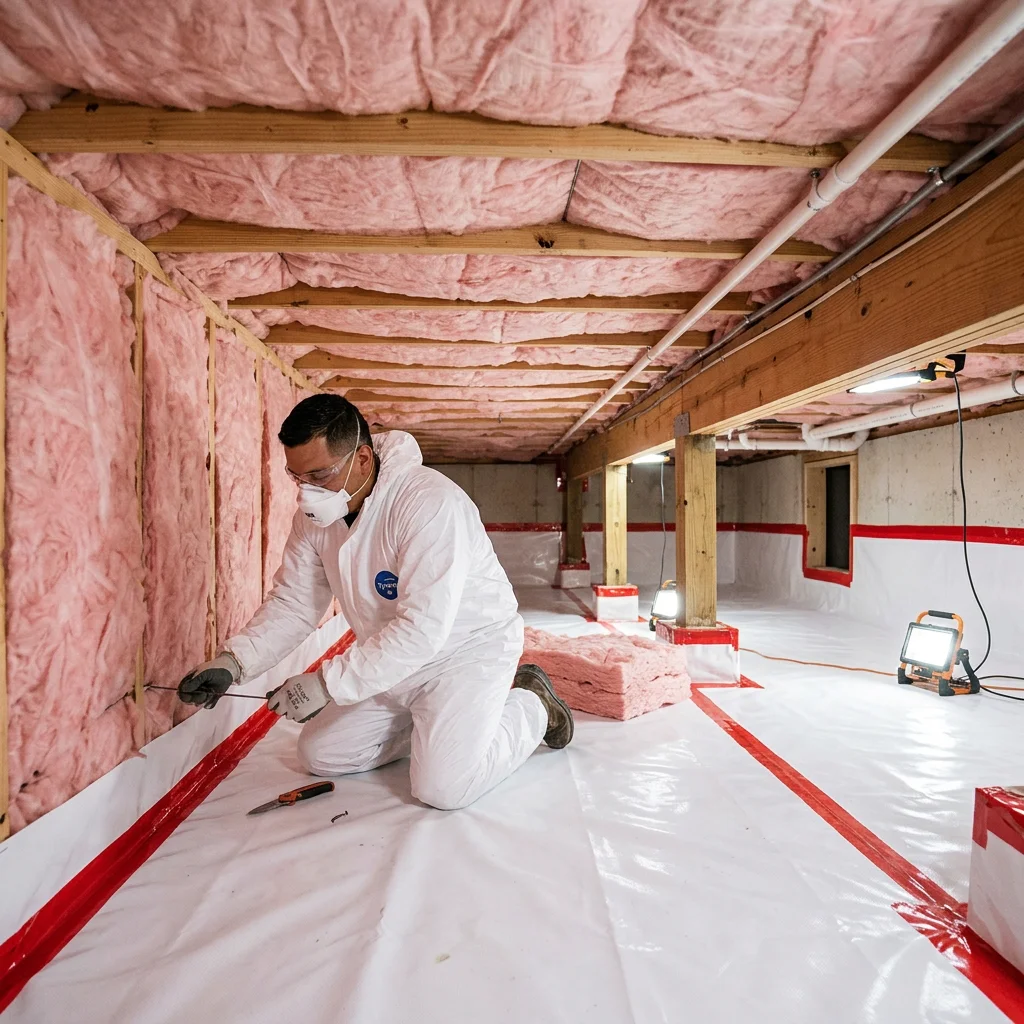
Rim Joist Insulation in San Antonio: The Small Perimeter Gaps That Let Heat In
Rim joist gaps can bring hot, humid outside air into San Antonio homes. Learn when air sealing, crawl space insulation, or spray foam is the practical next step.
Canyon Lake Spray Foam Insulation: When Air Sealing Beats a Simple Top-Off
Canyon Lake homes with roof heat, air leaks, bonus rooms, or metal building spaces may need spray foam planning instead of a simple attic top-off.
Schertz-Cibolo Attic Insulation: Why Fast-Growing Homes Still Run Hot
Schertz and Cibolo homes can still run hot when attic depth is low, air leaks are open, or roof heat overwhelms thin coverage. Start with an attic inspection before choosing a top-off.
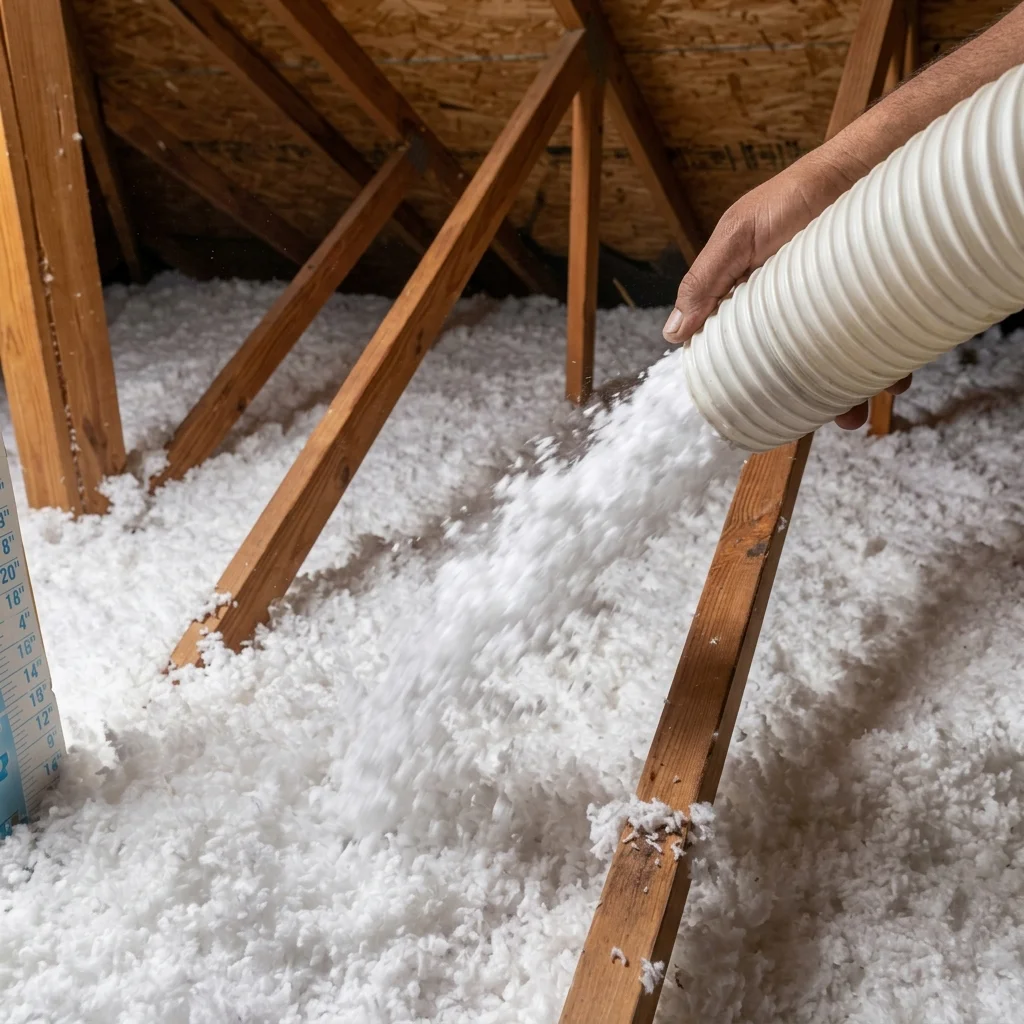
New Braunfels Blown-In Insulation: When an Attic Top-Off Makes Sense
New Braunfels homeowners can use blown-in insulation to restore attic depth when the existing layer is clean, dry, and ready for a top-off.
Fair Oaks Ranch Attic Insulation: What to Check Before Summer Peaks
Fair Oaks Ranch homeowners should check attic depth, air leaks, roof heat, and damaged material before choosing a top-off, radiant barrier, or removal-first plan.
Boerne Attic Insulation: How Hill Country Heat Affects Home Comfort
Boerne homes can feel the strain of Hill Country heat when attic insulation is thin, uneven, compressed, or missing around access points and mechanical paths.
Spray Foam Insulation in Helotes, TX: When Air Sealing Matters Most
Helotes homes near NW San Antonio can benefit from spray foam when air leaks, roofline heat, bonus rooms, or hard-to-cool spaces need more than a simple attic top-off.
Stone Oak Radiant Barrier in San Antonio: When Roof Heat Is the Real Problem
Stone Oak homes with hot upstairs rooms, large rooflines, and long afternoon sun may benefit from radiant barrier, but only after attic insulation depth, airflow, and air leaks are checked.
Alamo Ranch Attic Insulation in San Antonio: Why Newer Homes Still Run Hot
Newer Alamo Ranch homes can still have hot upstairs rooms, long AC runtime, and uneven comfort when attic insulation is thin, compressed, or interrupted above west-side living spaces.
Crawl Space Moisture and Insulation in San Antonio: What to Fix First
Crawl space insulation should not be installed over moisture problems. San Antonio and Central Texas homeowners should check drainage, wet material, air gaps, and floor comfort before rebuilding the layer.
Fiberglass vs. Cellulose Blown-In Insulation in San Antonio: Which Attic Top-Off Fits?
Fiberglass and cellulose can both work for San Antonio attic top-offs, but the right choice depends on attic condition, depth, air sealing, moisture risk, and how the home handles summer heat.
Attic Storage and Insulation in San Antonio: How Decking Can Create Hot Spots
Attic storage can compress insulation, block airflow, and leave hot rooms below. Learn how San Antonio homeowners can keep storage practical without weakening attic performance.
Attic Insulation After a Roof Replacement in San Antonio: What to Check
A new roof can disturb attic insulation, baffles, ventilation paths, and dusty old material. San Antonio homeowners should check the attic layer before summer heat exposes the gaps.
Best Insulation for San Antonio Homes: What Reddit Gets Right
Reddit discussions point to a useful conclusion: the best San Antonio insulation choice depends on the attic assembly, air leaks, moisture, and existing material—not one universal product.
Blown-In Insulation Over Existing Batts in San Antonio: When a Top-Off Works
Blown-in insulation can often be added over clean existing batts, but San Antonio attics should be inspected for gaps, compression, moisture, and air leaks before a top-off.
Attic Insulation After an AC Replacement in San Antonio: What to Check
A new AC may still struggle if the attic is thin, leaky, or uneven. San Antonio homeowners should check insulation depth, air leaks, and duct conditions before assuming the system is undersized.
Radiant Barrier Over Existing Insulation in San Antonio: When It Makes Sense
Radiant barrier can help some San Antonio attics, but it should be planned around existing insulation depth, ventilation, roof heat, and whether the attic already has enough thermal coverage.
Recessed Lights and Attic Insulation in San Antonio: Small Gaps, Hot Rooms
Recessed lights can create attic air leaks and insulation gaps that make San Antonio rooms hotter, especially when fixtures, ceiling penetrations, and attic depth are not checked together.
Pest-Damaged Attic Insulation in San Antonio: Remove, Seal, Then Rebuild
Pest-damaged attic insulation should be inspected carefully before a top-off, because contaminated or displaced material can hurt comfort and hide the real attic repair sequence.
Blown-In vs. Batt Insulation in San Antonio: Which Upgrade Fits Your Home?
Blown-in and batt insulation solve different San Antonio comfort problems, so the right choice depends on attic access, wall cavities, coverage gaps, and the room that stays hot.
Radiant Barrier vs. Spray Foam in San Antonio Attics: Which Heat Fix Fits?
Radiant barrier and spray foam solve different attic heat problems in San Antonio, so the right choice depends on roof heat, air leaks, attic design, and budget.
Garage Wall Insulation in San Antonio: Shared Walls, Hot Rooms, and Better Comfort
Garage wall insulation in San Antonio can help when an attached garage, shared wall, or garage-adjacent room transfers too much heat into the living space.
Ductwork in Hot San Antonio Attics: Insulation Checks That Protect Comfort
Ductwork running through a hot San Antonio attic can lose performance when the attic shell, air sealing, and insulation around the system are weak.
Home Addition Insulation in San Antonio: Why New Rooms Need Their Own Plan
Home additions in San Antonio often need a separate insulation plan because new rooms may have different rooflines, walls, air leaks, and sun exposure than the original house.
Hot Vaulted Ceilings in San Antonio: Why These Rooms Need a Different Insulation Plan
Vaulted ceilings and cathedral ceiling rooms in San Antonio can stay hot because the insulation space is tight, roof heat is close, and air leaks are harder to reach.
Why Your AC Runs All Afternoon in San Antonio: Insulation Checks That Matter
Long afternoon HVAC runtime in San Antonio often points back to attic heat, air leaks, thin insulation, or radiant roof load, not just the AC unit.
Older Home Insulation in San Antonio: Where Comfort Problems Usually Start
Older San Antonio homes often lose comfort through thin attic insulation, leaky penetrations, exterior walls, crawl spaces, and additions that were insulated differently.
Attic Baffles and Blown-In Insulation in San Antonio: Why Airflow Matters
Attic baffles help keep ventilation paths open when San Antonio homeowners add blown-in insulation, especially near soffits and low roof edges.
Vented vs. Unvented Attics in San Antonio: How Insulation Choices Change
Vented and unvented attics need different insulation plans in San Antonio, especially when comparing blown-in attic coverage, spray foam roof decks, and radiant barrier.
Rooms Over Garages in San Antonio: Insulation Fixes for Hot Bonus Rooms
Rooms over garages in San Antonio often run hot because garage heat, attic heat, air leaks, and weak floor or knee-wall insulation work together.
Attic Insulation Inspection in San Antonio: What Homeowners Should Expect
An attic insulation inspection in San Antonio should measure depth, spot gaps, check air leaks, and explain the right upgrade sequence.
West-Facing Rooms in San Antonio: Insulation Fixes That Help
West-facing rooms in San Antonio often get hot because afternoon sun, attic heat, air leaks, and weak insulation work together.
Wet Attic Insulation After a Roof Leak in San Antonio
Wet attic insulation after a San Antonio roof leak should be inspected before it is topped off, covered, or ignored.
Knee Wall Insulation in San Antonio: Why Bonus Rooms Get Hot
Knee wall insulation can make bonus rooms, room-over-garage spaces, and attic-adjacent bedrooms more comfortable in San Antonio heat.
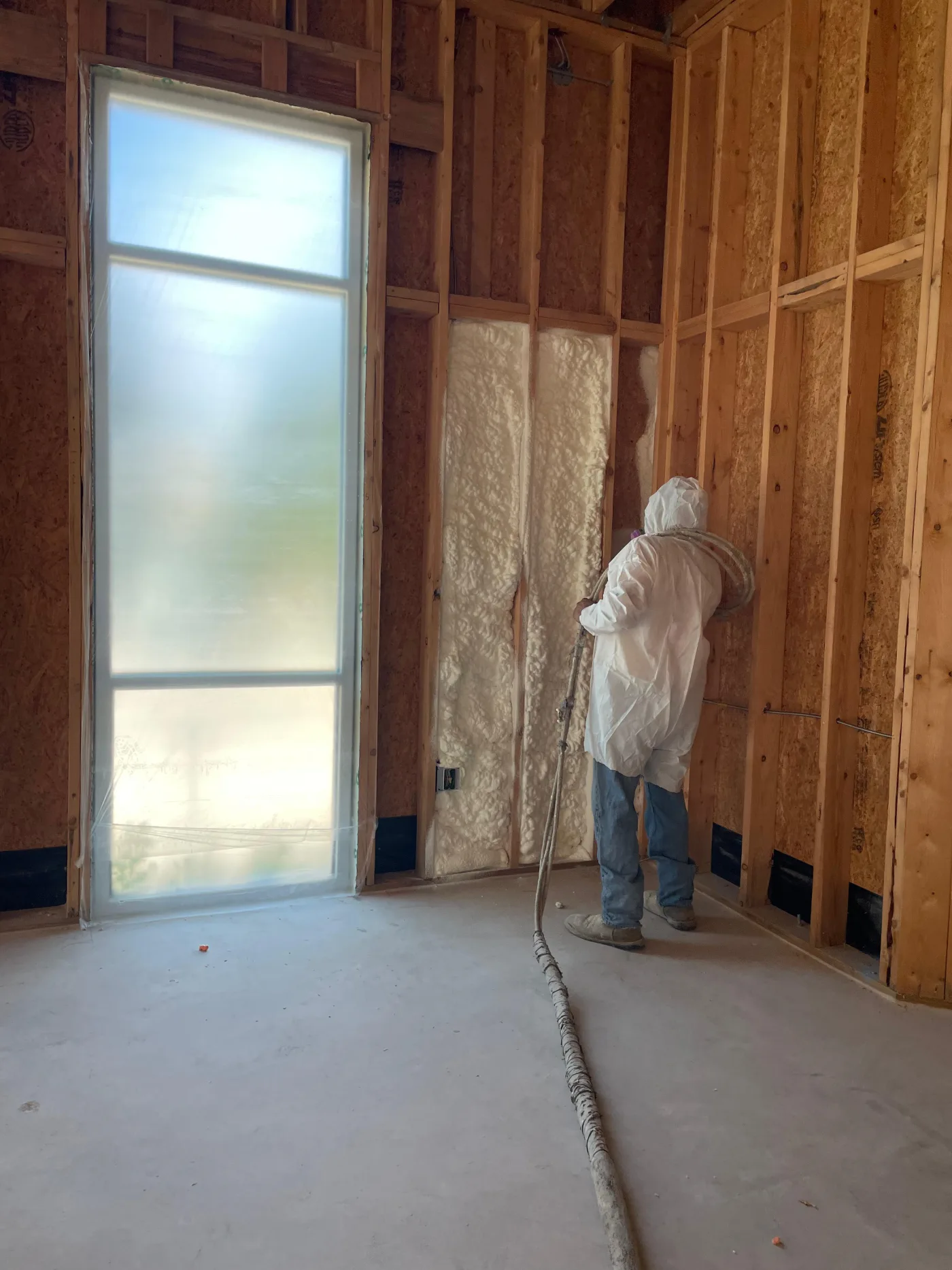
Pier and Beam Crawl Space Insulation for San Antonio Homes
Pier and beam homes in San Antonio need crawl space insulation decisions that account for floor comfort, moisture, access, and Texas heat.
Radiant Barrier Roof Decks in San Antonio: When They Help
Radiant barrier can help San Antonio attics handle roof heat, but it is not a replacement for insulation depth, air sealing, or a practical attic plan.
Settled Blown-In Insulation in Older San Antonio Attics
Older San Antonio attics often have blown-in insulation that has settled, shifted, or thinned out over time. Learn when a top-off is enough and when removal should be considered first.
Attic Hatch Insulation in San Antonio: Small Access Leaks That Make Rooms Hot
An unsealed attic hatch can let San Antonio attic heat leak into the living space and make nearby rooms harder to cool. Learn what to check before adding more insulation.
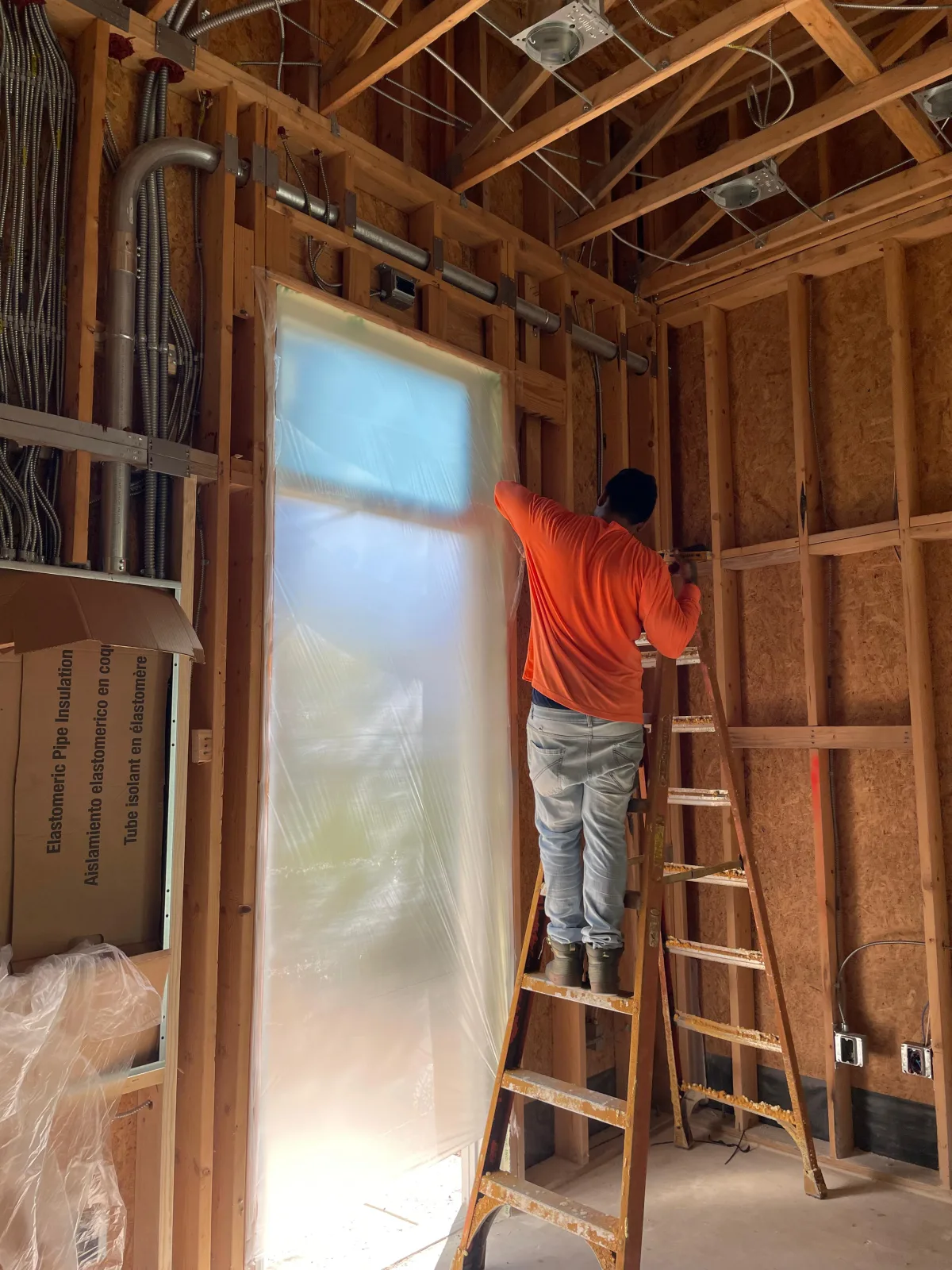
Spray Foam Roof Deck Insulation in San Antonio: When It Makes Sense
Spray foam at the roof deck can help certain San Antonio homes by moving the thermal boundary to the roofline. Learn when it makes sense and when attic-floor insulation is the better first step.
Why Upstairs Rooms Stay Hot in San Antonio Homes
Hot upstairs rooms in San Antonio usually point to attic heat, thin insulation, air leaks, duct issues, or west-facing sun exposure. Here is how to narrow the problem before choosing an upgrade.
Wall Insulation for San Antonio Homes: When Exterior Walls Need Help
Wall insulation can help San Antonio homes with hot rooms, uneven comfort, and exterior walls that transfer heat. Learn when walls should be inspected instead of only focusing on the attic.
Air Sealing San Antonio Attics Before You Add Insulation
Air sealing closes the leaks that let attic heat and humid air move into living spaces. Learn why San Antonio homeowners should check air leaks before adding more insulation.
Attic Insulation vs. Radiant Barrier in San Antonio: Which Comes First?
Attic insulation and radiant barrier solve different heat problems in San Antonio homes. Learn which upgrade usually comes first and when combining both makes sense.
Blown-In Insulation Depth for San Antonio Attics: How Much Is Enough?
Most San Antonio attics need more insulation depth than homeowners expect. Learn how blown-in insulation depth affects R-value, comfort, HVAC runtime, and summer energy bills.
Spray Foam Insulation for Metal Buildings and Barndominiums in San Antonio
Metal buildings and barndominiums face severe heat and condensation challenges in Central Texas. Discover how spray foam insulation seals metal structures, prevents moisture, and controls cooling bills.
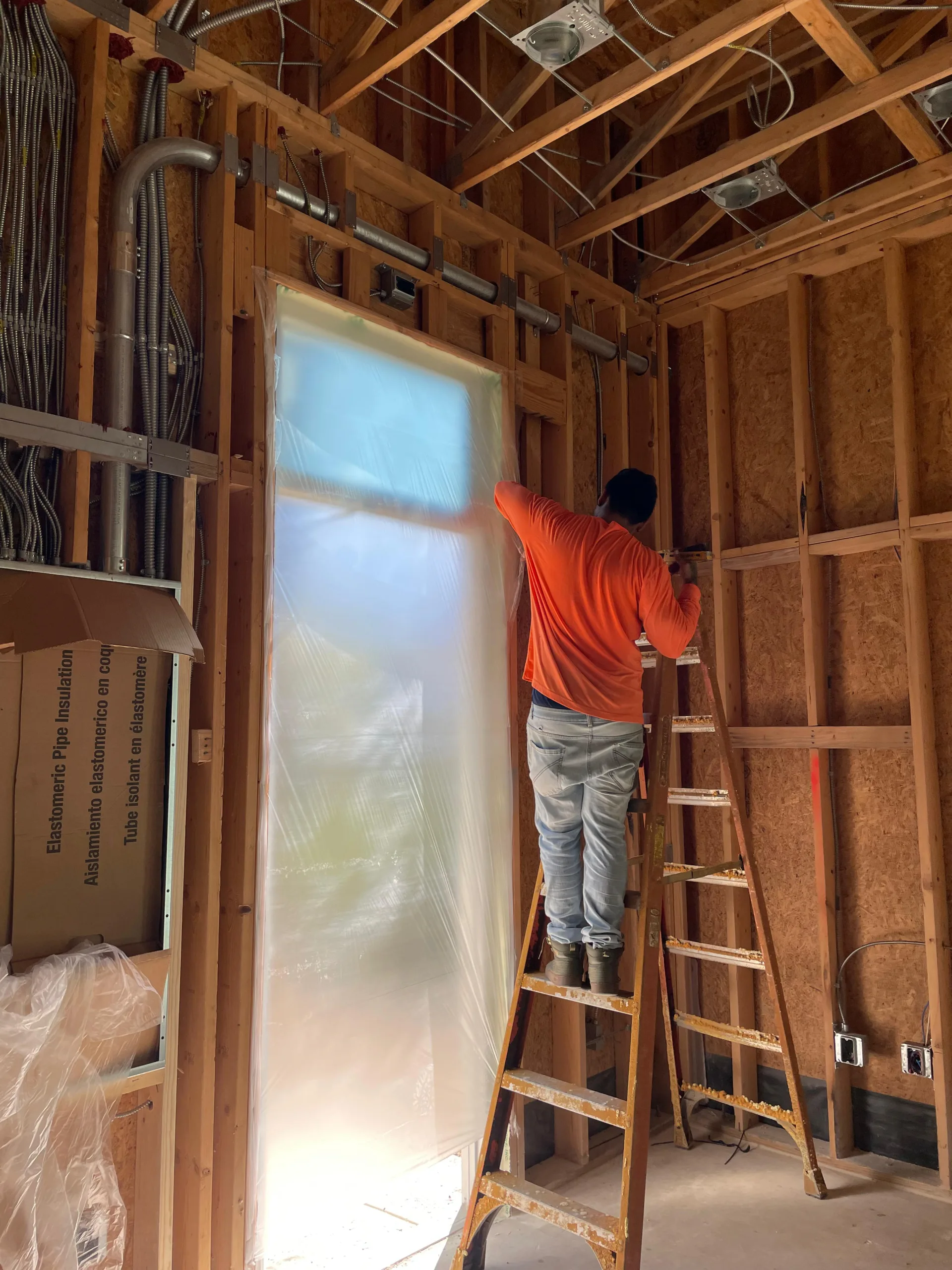
Commercial Insulation in San Antonio: How Businesses Cut Cooling Costs
Lowering operating costs for San Antonio businesses starts with commercial insulation. Learn how commercial spray foam, warehouse insulation, and office upgrades reduce AC load and energy bills.
Insulation Removal in San Antonio: When to Replace vs. Top Off
Should you remove old insulation or just add more on top? Learn when insulation removal is necessary for San Antonio homes and when a top-off is enough.
How to Reduce Your Electric Bill in San Antonio: An Attic Checklist
Lowering your cooling costs starts in the attic. Learn how attic insulation depth, proper air sealing, and radiant barriers work together to reduce electric bills during hot San Antonio summers.
Insulation and Indoor Air Quality in San Antonio Homes
Insulation is not an air purifier, but the right insulation, air sealing, and removal plan can help reduce dusty, humid, and uncomfortable air movement in San Antonio homes.
Crawl Space Insulation in Texas: Do You Actually Need It?
Crawl space insulation is not needed for every San Antonio home, but pier-and-beam houses, additions, and Hill Country properties can benefit when floors feel hot, humid, or drafty.
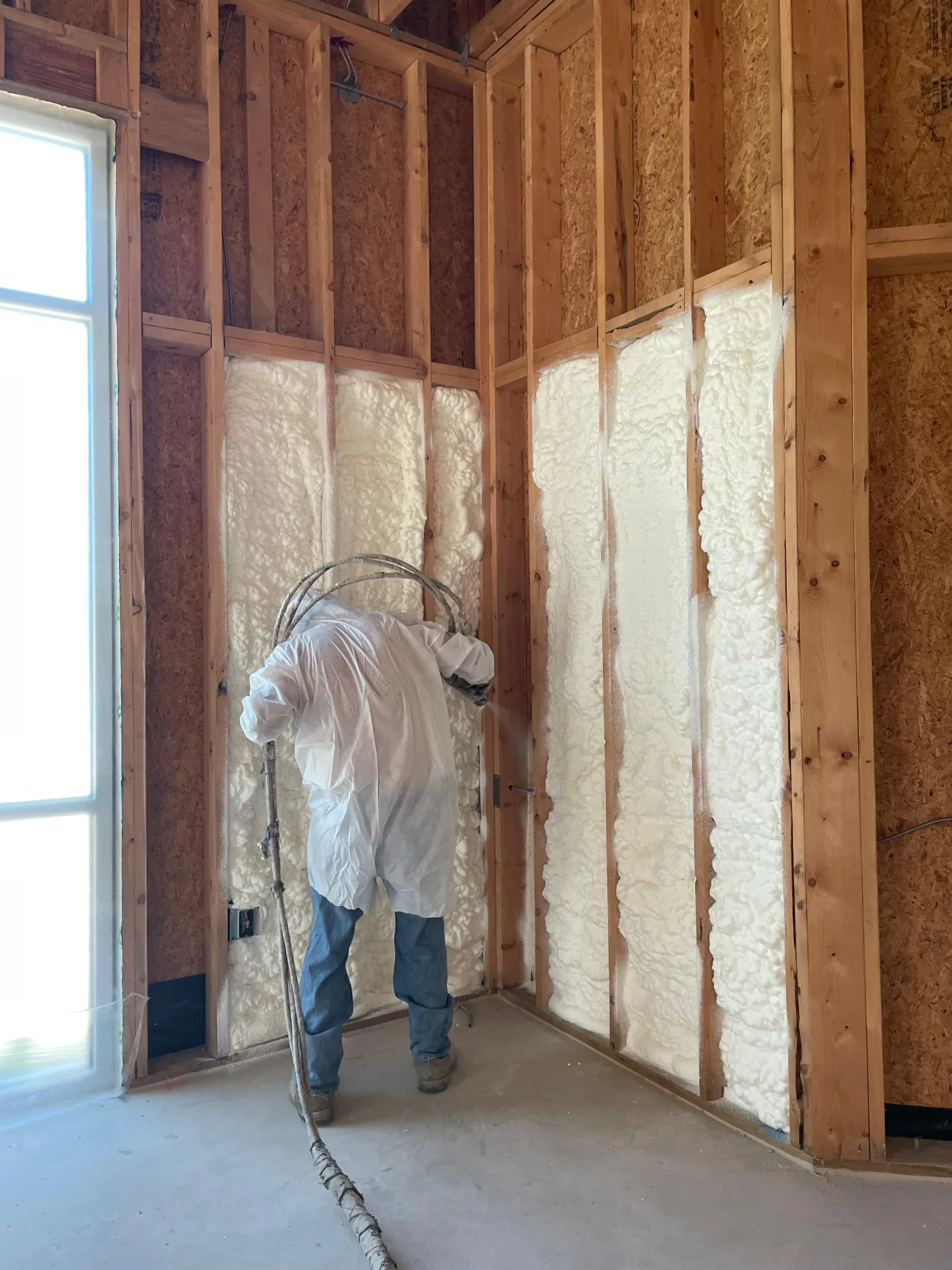
Best Insulation for New Construction in the San Antonio Metro
Building a new home in San Antonio or the Hill Country? Explore the best insulation strategies for new construction—from high-performance spray foam to cost-effective hybrid systems.
How Radiant Barriers Work in San Antonio's Heat
Learn how radiant barriers reflect South Texas solar heat, cut attic temperatures by up to 30 degrees, reduce AC strain, and lower your energy bills in San Antonio.
Open-Cell vs. Closed-Cell Spray Foam for Texas Homes
Open-cell and closed-cell spray foam both help Texas homes, but they solve different problems. The right choice depends on air sealing, moisture exposure, budget, and where the foam will be installed.
Signs Your San Antonio Home Needs New Attic Insulation
A San Antonio home may need new attic insulation when rooms stay hot, the AC runs too long, energy bills keep climbing, or attic coverage looks thin, dirty, or uneven.
How Long Does Spray Foam Insulation Last in Texas?
Spray foam insulation can last for decades in Texas when it is installed correctly, kept dry, and not damaged by roof leaks, UV exposure, or later construction work.
Best Insulation for Texas Heat in San Antonio Homes
The best insulation for Texas heat usually starts with the attic: enough coverage, fewer air leaks, and the right mix of blown-in insulation, spray foam, or radiant barrier for the home.
.jpeg)
CPS Energy Insulation Rebate San Antonio: What to Know
CPS Energy insulation rebate San Antonio questions usually come down to eligibility, documentation, contractor scope, and timing.
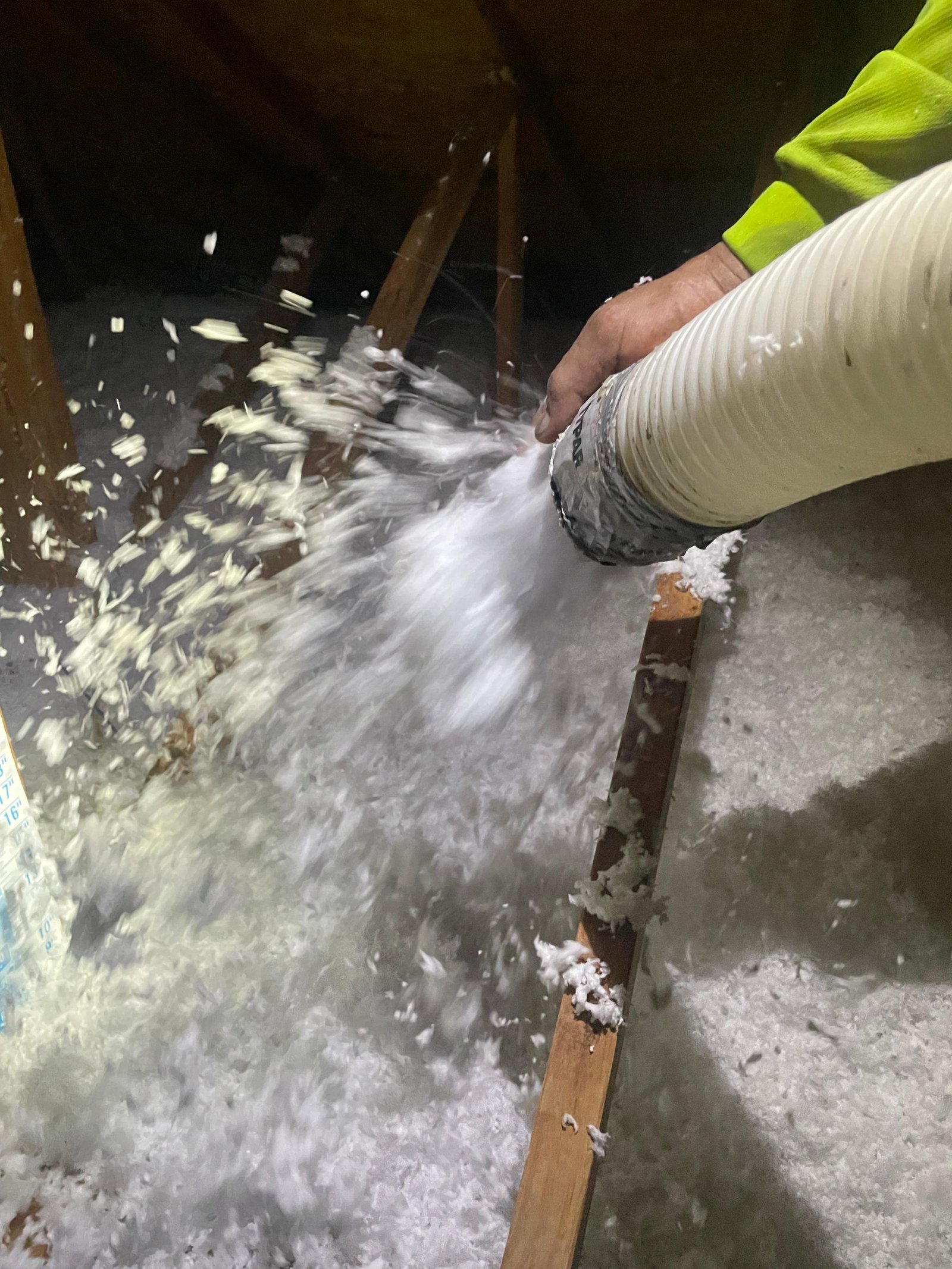
Attic R-Value San Antonio Homes Need for Texas Heat
Attic R-value San Antonio decisions should account for Texas heat, existing depth, air leaks, radiant roof load, and the home comfort goal.
Spray Foam vs Blown-In Insulation for San Antonio Homes
Spray foam vs blown-in insulation comes down to air sealing, attic condition, budget, access, and the comfort problem you need to solve.
Attic Insulation Cost San Antonio: What Changes the Price
Attic insulation cost San Antonio depends on attic size, current depth, removal needs, air sealing, access, and the material used.
Get our insulation guides in Google

Popular Insulation Topics
Each topic links back to the service pages homeowners usually need next.
Attic insulation cost
Understand why access, depth, removal, air sealing, and material choice change the quote.
Learn moreSpray foam vs blown-in
Compare air sealing, budget, attic conditions, and long-term comfort tradeoffs.
Learn moreAdvice Based on San Antonio Heat Patterns
Generic insulation advice often misses what makes Central Texas homes uncomfortable: roof heat, long cooling seasons, open attic bypasses, and materials that settle after years of summer cycles. These articles keep the focus on decisions homeowners actually face in San Antonio.
San Antonio Insulation Blog FAQs
How to use the blog and when to request a professional estimate.
Need a local opinion
Turn Research Into a Clear Insulation Estimate
Read the guide, then request a free estimate so our team can inspect the house and recommend the right scope.