
Attic Insulation
West-Facing Rooms in San Antonio: Insulation Fixes That Help
West-facing rooms in San Antonio often get hot because afternoon sun, attic heat, air leaks, and weak insulation work together.
Service Insights
Key facts that shape the recommendation.
West-facing rooms get the strongest afternoon sun, so weak attic insulation can show up as late-day heat.
The best fix depends on whether heat is entering through the ceiling, wall, attic bypasses, or nearby ducts.
Attic insulation, radiant barrier, and air sealing may all be part of the conversation in San Antonio homes.
A practical estimate should inspect the room boundary before recommending a product or top-off.
Why west-facing rooms get hot in San Antonio
A west-facing room in San Antonio usually gets hot because it receives heavy afternoon sun while the attic is also reaching its peak heat load. If the room has thin attic coverage above it, gaps around penetrations, exposed knee-wall areas, or roof heat radiating into nearby cavities, the HVAC system has to fight several problems at once. The direct answer: west-facing room insulation should start with an attic and room-boundary inspection, not a guess based only on the thermostat.
Many homeowners first notice the issue in upstairs bedrooms, home offices, nurseries, and rooms along the west side of the house. A focused attic insulation review can show whether the area above that room is shallow, uneven, disturbed, or missing coverage near the eaves. That inspection also helps separate an insulation problem from a window, shade, duct, or HVAC balancing issue.
What to inspect before adding insulation
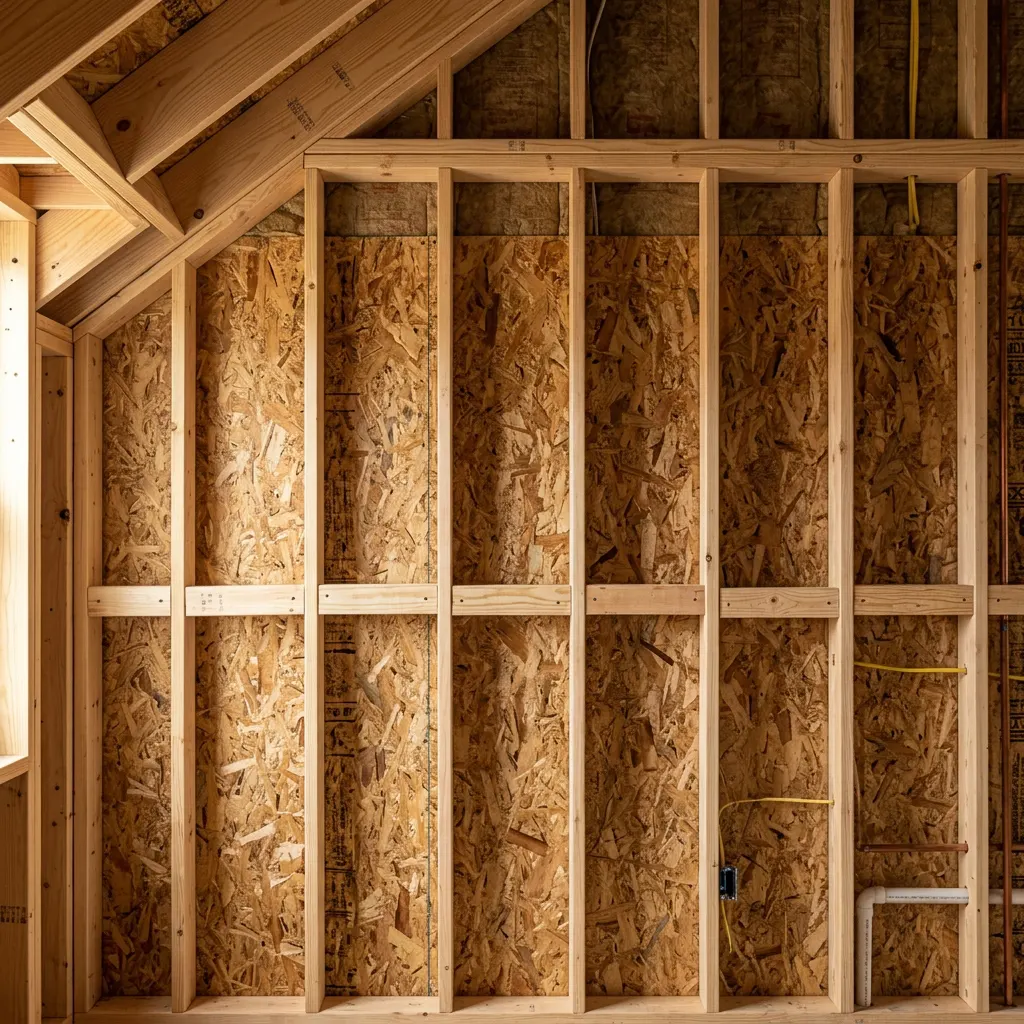
Before adding more material, the inspection should check the insulation depth over the specific room, not just the easy attic area near the access hatch. It should also look for attic bypasses, open chases, can light gaps, bath fan penetrations, exposed framing, and disturbed insulation near HVAC platforms. In Bexar County heat, small gaps can let hot attic air and ceiling heat make one room feel worse than the rest of the house.
Air movement matters as much as depth in many hot-room cases. If the attic has obvious leakage paths, air sealing may need to happen before or during the insulation work. That order helps the new insulation do its job instead of sitting over hidden gaps that still move heat and conditioned air.
Best insulation fixes for west-side heat
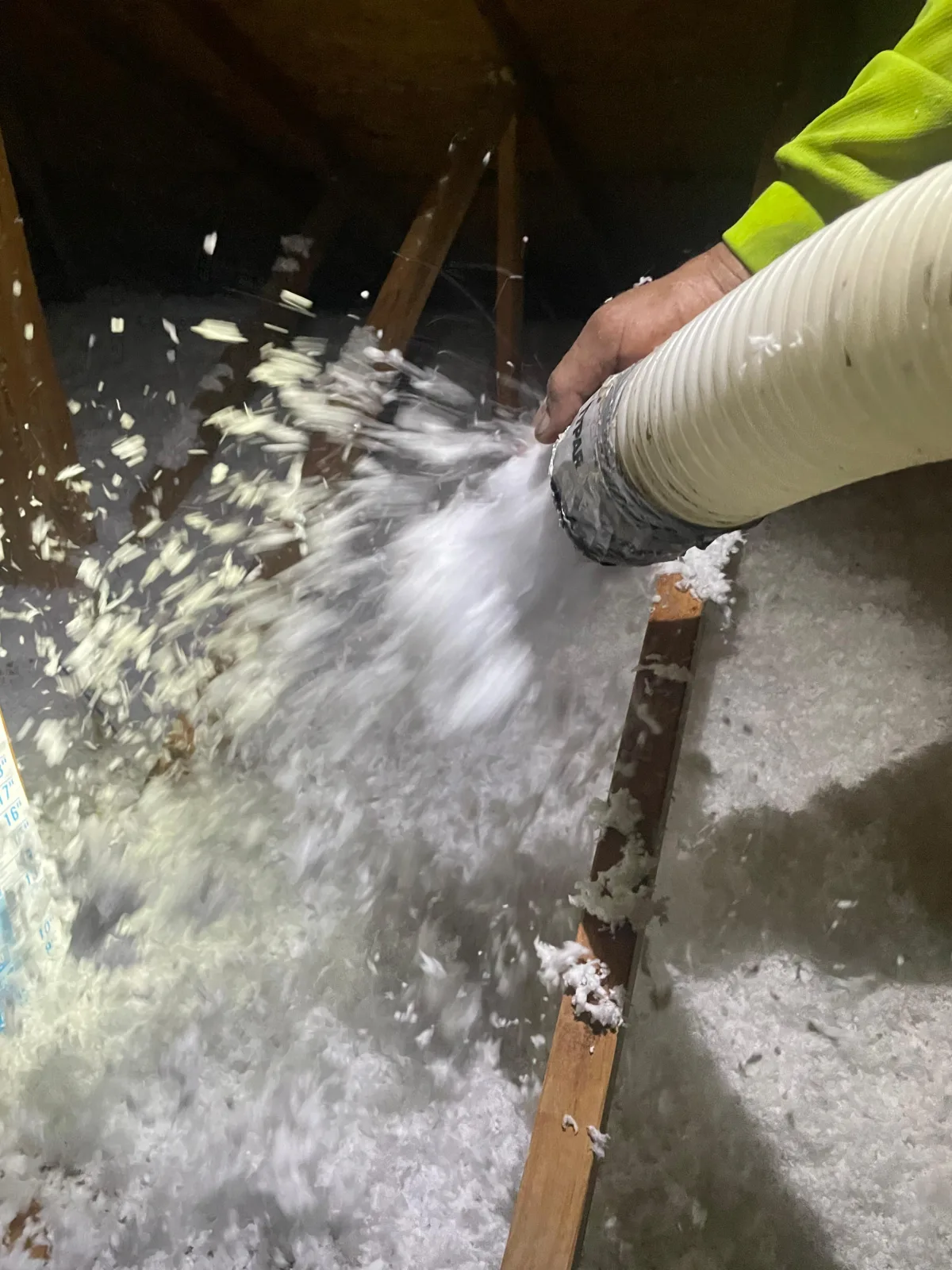
The best fix depends on where the heat is coming from. If attic depth is low or uneven, a clean blown-in top-off may help restore the thermal layer above the room. If roof heat is the main driver, radiant barrier may be worth comparing because it addresses radiant heat before it loads the attic space.
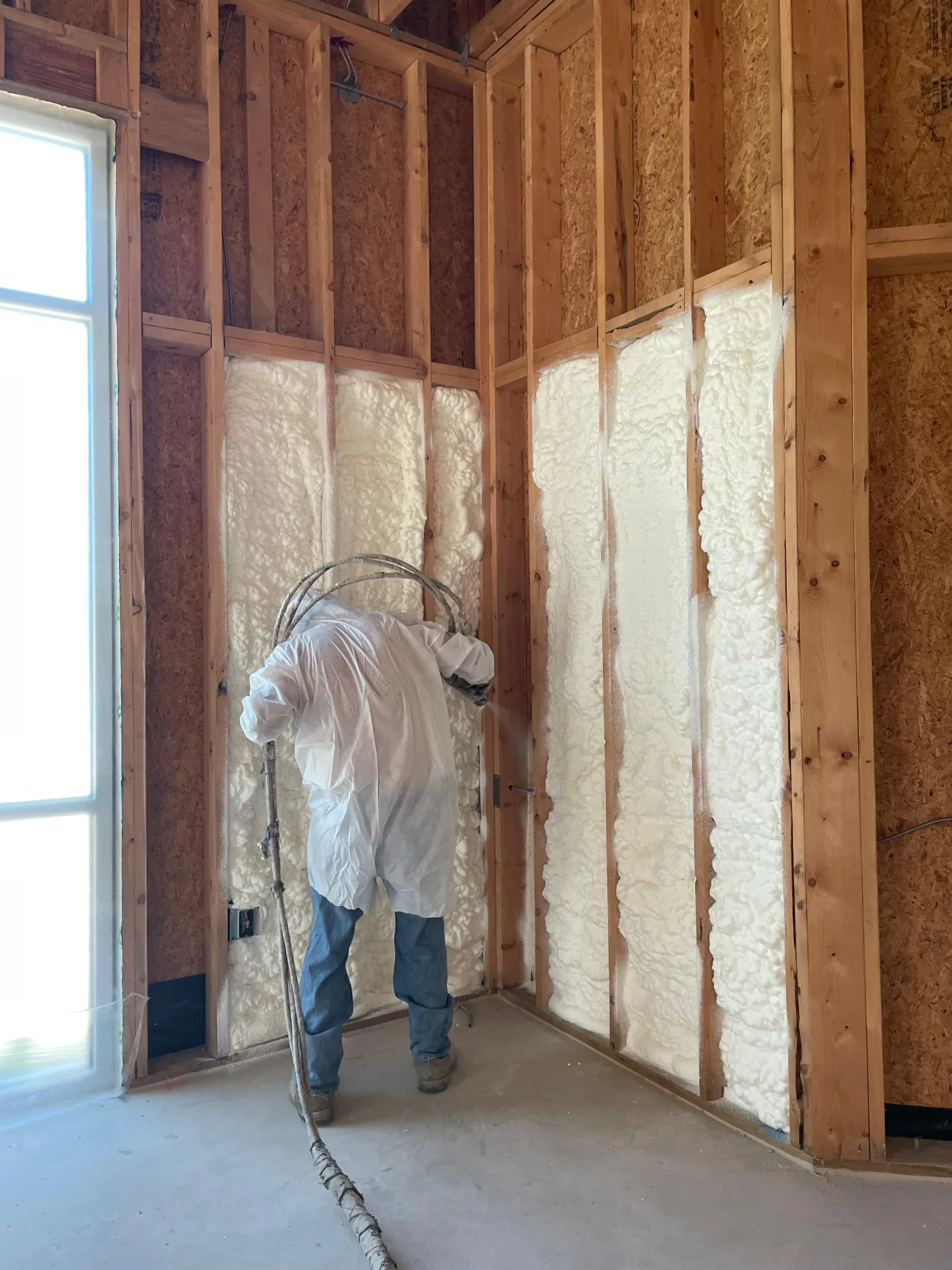
If the room sits beside a sloped attic, garage, or irregular wall cavity, the answer may involve targeted air sealing or spray foam insulation in specific areas. A good scope explains which part of the room boundary is being corrected, why that choice fits the house, and how it should reduce the afternoon comfort swing. That is more useful than adding insulation where it is easiest to reach.
Expert Note
A hot room is usually a boundary problem
If one west-facing room heats up every afternoon, ask what separates that room from attic heat, roof heat, and air leaks. The fix should match that boundary, not just add material to the nearest open attic space.
Questions Answered
Straight answers before you book the estimate.
West-facing rooms get strong afternoon sun while attic temperatures are high. Thin insulation, air leaks, roof heat, duct issues, or exposed room boundaries can make that room heat up faster.
It can if the room has low, uneven, missing, or disturbed attic insulation above or beside it. The specific attic zone should be inspected before deciding on a top-off.
Radiant barrier may help when roof heat is a major contributor to attic temperature near the room. It works best when it is recommended as part of a full attic heat-gain review.
Air sealing should be considered when gaps, chases, penetrations, or attic bypasses are letting hot air move around the insulation layer. Sealing first can make the insulation upgrade more effective.
It should include the attic depth above the room, visible air leaks, roofline or wall boundary conditions, nearby duct concerns, and whether attic insulation, radiant barrier, air sealing, or spray foam is the right fit.
Related Routes
Start with the room boundary
These services help evaluate west-side heat, attic coverage, radiant roof heat, and air leakage.
Next Step
Get your hot west-facing room inspected
Insulation Pros SATX checks attic depth, room boundaries, radiant heat, and air leakage for homeowners across San Antonio, Leon Springs, Helotes, Alamo Ranch, Stone Oak, and nearby Bexar County communities. Call (210) 239-2660 or request a free estimate.
Follow our insulation guides

Related Services
Book the service behind this article
If you are reading this because there is an active issue at home, these are the most relevant Insulation Pros SATX bookings to start with.
Keep Reading
Related Articles
Attic Insulation Around Solar Panels in San Antonio: What to Check Before and After Roof Work
Can You Add Attic Insulation in Summer? A San Antonio Homeowner Guide
Shavano Park Attic Insulation: What to Check When Upstairs Rooms Stay Warm
Need Professional Help?
Insulation Pros SATX helps homeowners across San Antonio, Bexar County, and nearby Central Texas communities with attic insulation, spray foam, blown-in insulation, radiant barrier, crawl space, and removal projects.