
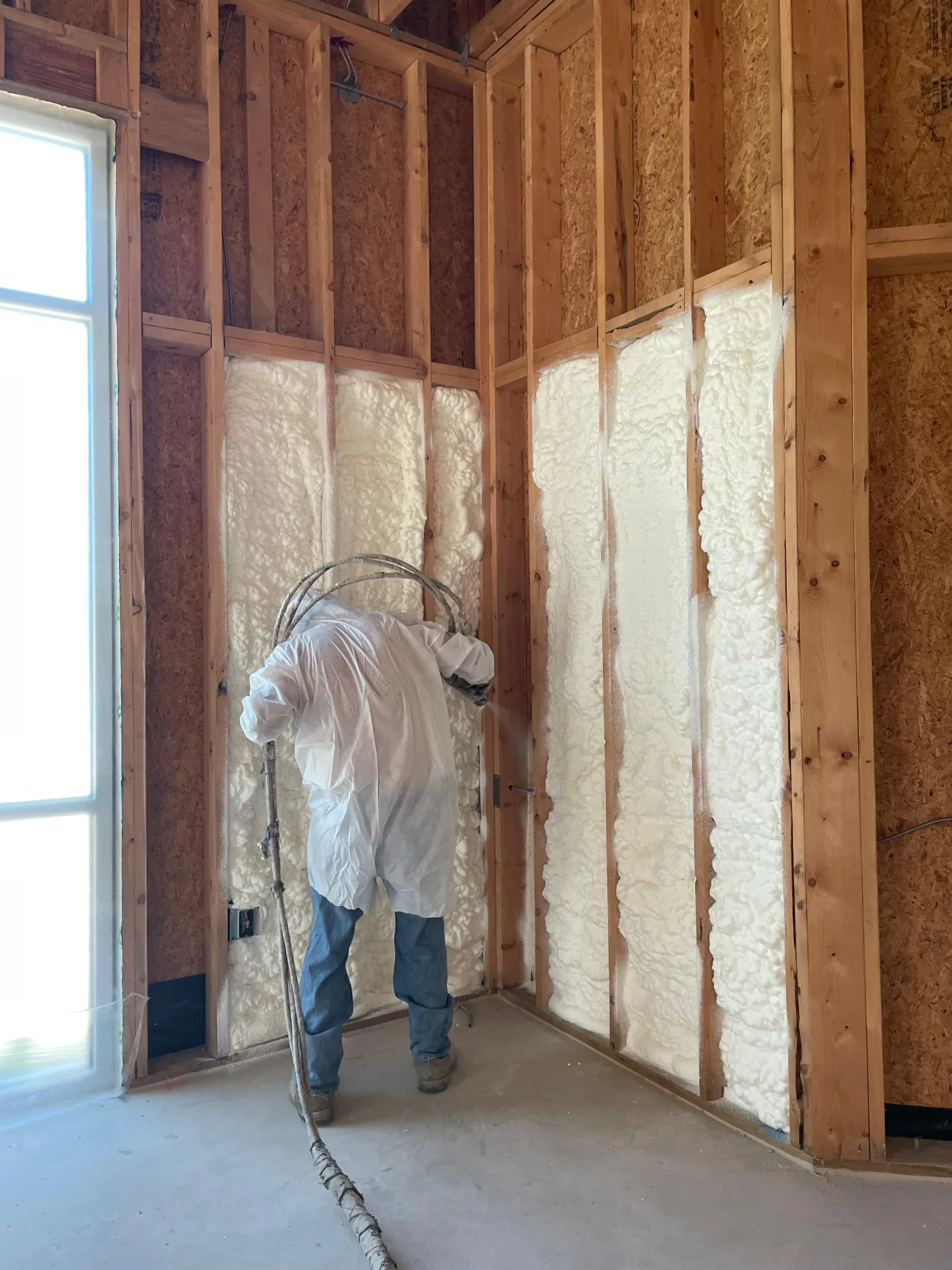
Attic Insulation
Attic Insulation Inspection in San Antonio: What Homeowners Should Expect
An attic insulation inspection in San Antonio should measure depth, spot gaps, check air leaks, and explain the right upgrade sequence.
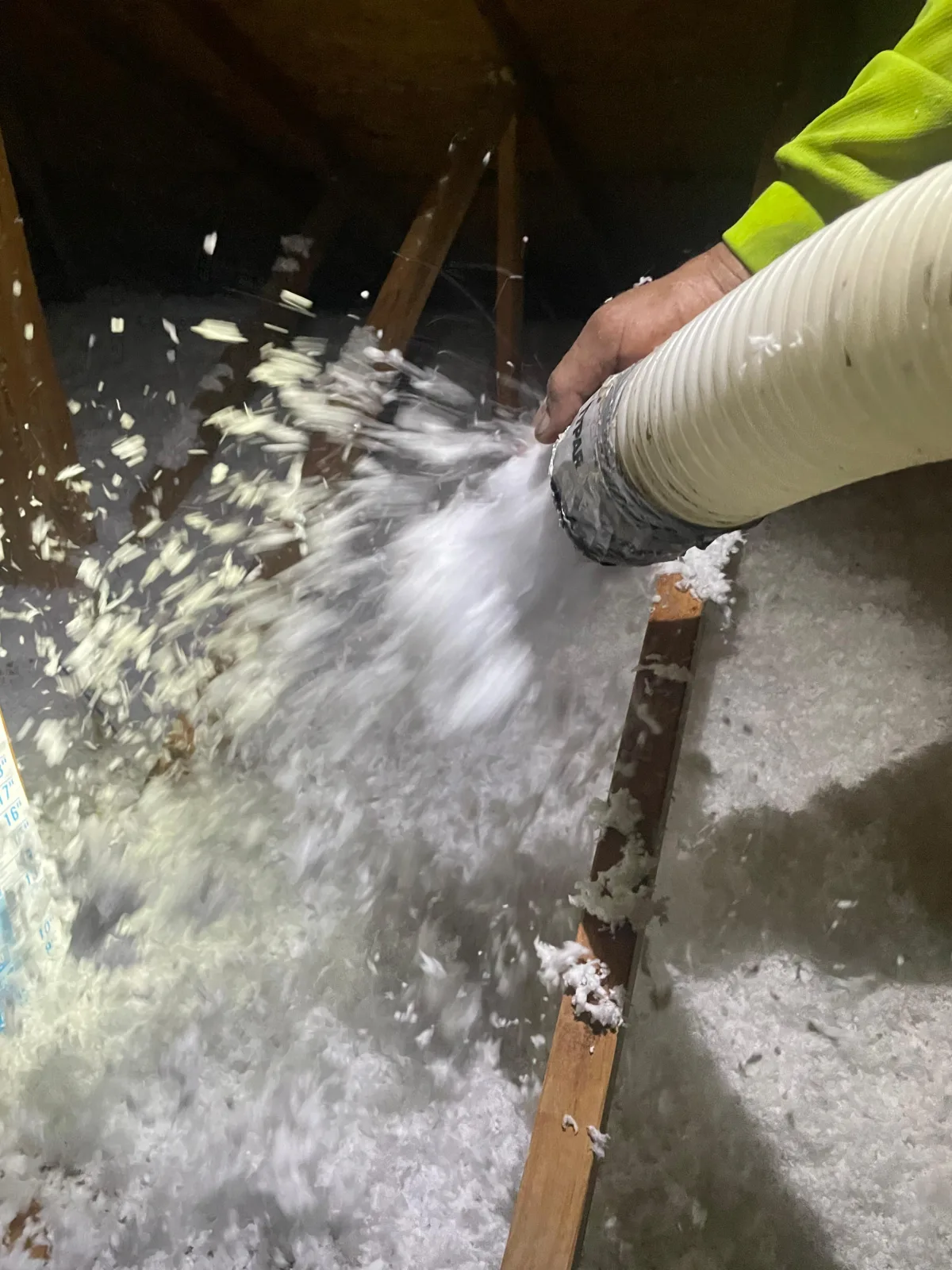
Service Insights
Key facts that shape the recommendation.
A useful attic insulation inspection measures the weak areas, not just the attic hatch.
The inspection should check depth, coverage, air leaks, moisture signs, contamination, and access limits.
The right recommendation may be a top-off, removal, air sealing, radiant barrier, or a staged attic plan.
Homeowners should leave with a clear scope, not a vague promise that more insulation will fix everything.
What an attic insulation inspection should include
An attic insulation inspection should show what is actually happening above the ceiling. In San Antonio, the important questions are usually simple: is the insulation deep enough, is it even, is it clean enough to keep, and are air leaks making the home harder to cool? The direct answer: a good inspection measures the attic, checks problem zones, and explains whether the home needs a top-off, removal, air sealing, or a broader attic upgrade.
The inspection should include the areas homeowners actually complain about: hot bedrooms, rooms under long roof spans, spaces near garages, and ceilings that radiate heat during long summer afternoons. That is why a real attic insulation estimate looks beyond the access hatch and checks the attic zones tied to comfort, HVAC runtime, and energy bills. Average depth alone can miss the thin spots that matter.
How inspectors decide between top-off and removal
A top-off can make sense when the existing insulation is clean, dry, reasonably even, and simply too shallow for the homeowner's comfort goals. In that case, blown-in insulation may be a practical way to restore coverage over the attic floor. The estimate should still explain target depth, access limits, and whether air sealing should be handled first.
Insulation removal becomes part of the conversation when the old material is wet, dirty, compressed, contaminated, odorous, or blocking a clean attic repair. Removal is also worth discussing when the attic needs a reset before air sealing or fresh coverage can perform correctly. The point is not to remove material by default; it is to avoid burying a problem under new insulation.
Questions to ask before approving the estimate
Before approving the estimate, ask what the crew found and why the recommended sequence fits your attic. Good questions include: where is the insulation shallow, are there visible air leaks, is any material damaged, what service areas are included, and what result should the homeowner reasonably expect? You should also ask how the work will protect attic access, HVAC platforms, wiring, and recessed fixtures.
A clear scope should connect the work to San Antonio conditions: long cooling seasons, attic heat, HVAC runtime, and uneven rooms. It should also make the conversion path simple if you are ready to move forward. For homeowners in Leon Springs, NW San Antonio, Helotes, Alamo Ranch, Stone Oak, and nearby Bexar County areas, requesting a free estimate is the practical next step when the attic is the suspected weak point.
Expert Note
Ask for the finding, not just the product
If an estimate only says "add more insulation," ask what the inspection found. Depth, gaps, damaged material, access, and air leaks should drive the recommendation.
Questions Answered
Straight answers before you book the estimate.
The attic is checked for insulation depth, uneven coverage, damaged or dirty material, air leaks, access constraints, and areas tied to hot rooms or high HVAC runtime.
Common signs include shallow attic depth, exposed ceiling joists, hot rooms, high summer energy bills, long HVAC runtime, and uneven comfort during San Antonio heat.
Old insulation should be considered for removal when it is wet, dirty, compressed, contaminated, odorous, or blocking a clean repair. Clean but shallow material may be suitable for a top-off.
It should at least check for visible air leakage paths. If gaps, chases, or penetrations are affecting performance, air sealing may be recommended before or during insulation work.
Timing depends on attic access, home size, and conditions, but the goal is to inspect enough of the attic to give a clear recommendation instead of relying on a quick glance.
Related Routes
Use the inspection to choose the right next step
These service pages explain the most common attic recommendations after an inspection.
Next Step
Schedule an attic insulation inspection
Insulation Pros SATX inspects attic depth, gaps, old material, and air leakage for homeowners across San Antonio, Bexar County, Leon Springs, Helotes, Alamo Ranch, Stone Oak, and nearby Central Texas areas. Call (210) 239-2660 or request a free estimate.
Follow our insulation guides

Related Services
Book the service behind this article
If you are reading this because there is an active issue at home, these are the most relevant Insulation Pros SATX bookings to start with.
Keep Reading
Related Articles
Attic Insulation Around Solar Panels in San Antonio: What to Check Before and After Roof Work
Can You Add Attic Insulation in Summer? A San Antonio Homeowner Guide
Shavano Park Attic Insulation: What to Check When Upstairs Rooms Stay Warm
Need Professional Help?
Insulation Pros SATX helps homeowners across San Antonio, Bexar County, and nearby Central Texas communities with attic insulation, spray foam, blown-in insulation, radiant barrier, crawl space, and removal projects.