
Home Comfort
Blown-In vs. Batt Insulation in San Antonio: Which Upgrade Fits Your Home?
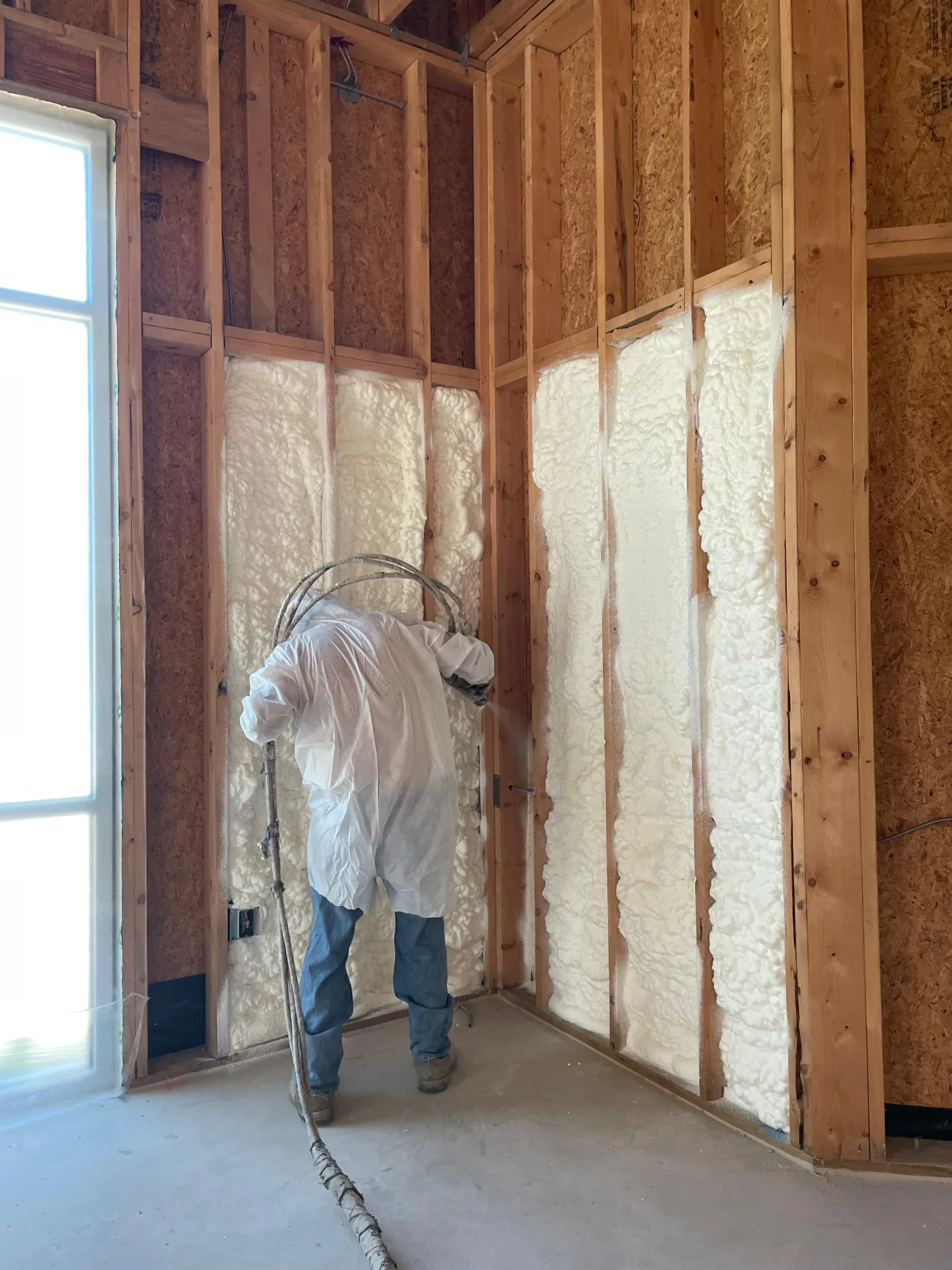
Blown-in and batt insulation solve different San Antonio comfort problems, so the right choice depends on attic access, wall cavities, coverage gaps, and the room that stays hot.
Service Insights
Key facts that shape the recommendation.
Blown-in insulation is usually better for attic top-offs and uneven coverage across open attic floors.
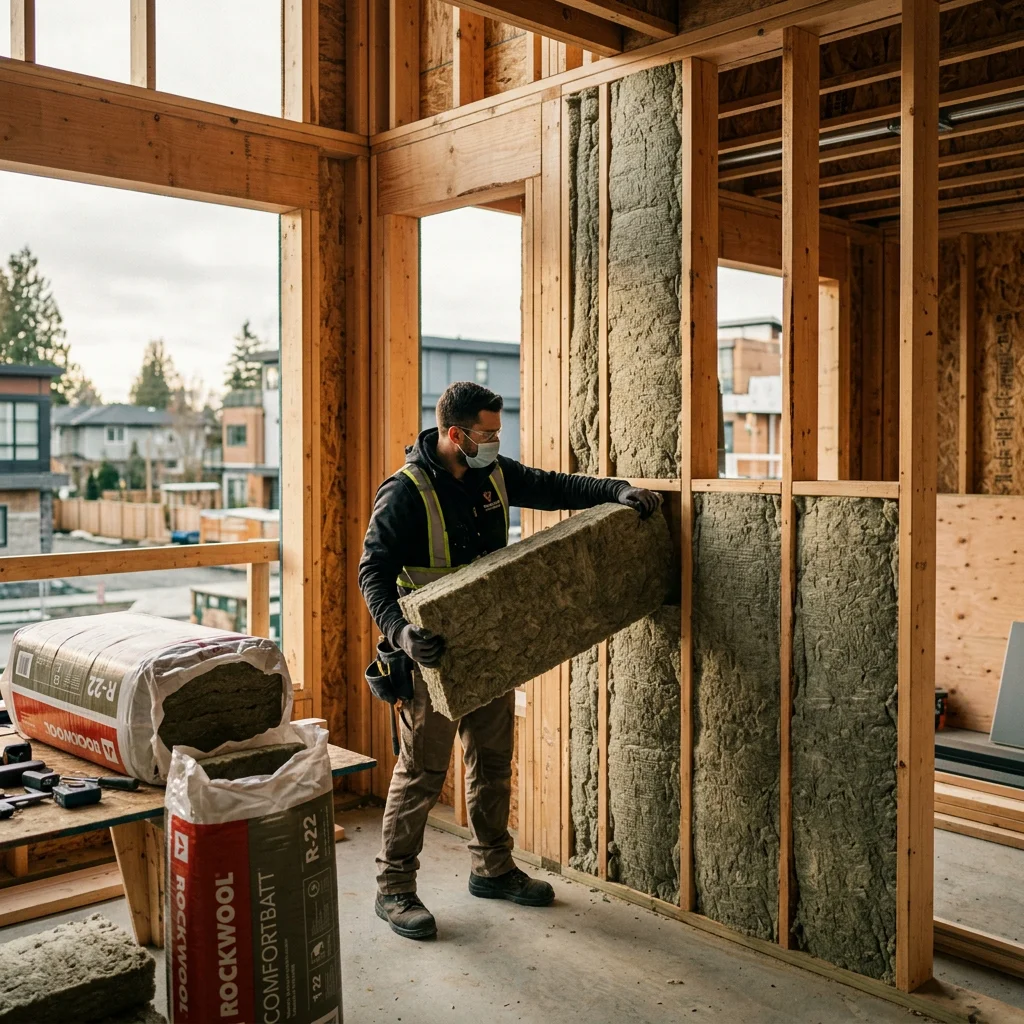
Batt insulation can fit framed wall, knee wall, garage, and exposed cavity work when access is clear.
San Antonio heat makes gaps, compression, and thin attic depth show up as longer HVAC runtime and uneven rooms.
The right material depends on the assembly, not just the product name or lowest line item.
The short answer: blown-in and batt insulation fit different spaces
Blown-in vs batt insulation in San Antonio is not a one-size answer. The direct answer: blown-in insulation is usually the stronger fit for topping off open attic floors because it can fill irregular spaces and reach a consistent depth, while batt insulation can make sense in framed cavities, knee walls, garage-side walls, or exposed areas where the material can be installed without gaps or compression. A good estimate should match the material to the access and heat problem.
In San Antonio, Bexar County, NW San Antonio, Leon Springs, Helotes, Stone Oak, and Alamo Ranch, the attic usually carries the biggest comfort load because roof heat sits above the ceiling for hours. If the attic floor has low depth, open gaps, or uneven coverage, blown-in insulation often gives the cleanest top-off path. If the problem is a wall cavity, knee wall, garage wall, or exposed framing, wall insulation and batt-style planning may deserve a closer look.
The mistake is choosing based only on material preference. A San Antonio home may need attic insulation in one area and targeted wall or cavity work in another. The goal is simple: stop heat from moving into the living space without paying for insulation in the wrong part of the house.
| Factor | Blown-in | Batts |
|---|---|---|
| Form | Loose fibers | Pre-cut rolls or pieces sized to standard cavities |
| How it is installed | Blown in through a hose to a target depth | Laid or fitted into place by hand |
| Fit around obstructions | Flows around wiring, framing, and irregular gaps | Must be cut and fitted; gaps and compression are common failure points |
| Adding over existing insulation | Commonly added over sound existing material | Harder to lay evenly over uneven existing material |
| Coverage consistency | More even across an irregular attic floor | Depends heavily on installation quality |
| Settling over time | Loose-fill settles somewhat, which installed depth accounts for | Does not settle, but can sag or shift if unsupported |
| Air sealing | Not an air barrier; air sealing is a separate step | Not an air barrier; air sealing is a separate step |
When blown-in insulation is the better fit
Blown-in insulation is usually the better conversation when the attic floor is accessible and the main issue is low depth, settled material, patchy coverage, or open areas between framing. It can build a more continuous blanket over the ceiling plane than hand-placed batts in many attics. That matters when San Antonio roof heat is pushing down into bedrooms, hallways, and living areas through the ceiling.
Blown-in insulation also works well when an older attic needs a top-off rather than a full tear-out. The estimator should still check whether old material is wet, contaminated, compressed, or blocking ventilation paths before adding more. If existing insulation needs to come out first, insulation removal may be part of the scope before new material is installed.
The most important detail is depth plus coverage. A thin but even attic and a thick but gap-filled attic can both perform poorly. Air sealing insulation should also be reviewed around ceiling penetrations, attic hatches, chases, and other bypasses so hot attic air does not move around the new insulation.
When batt insulation still makes sense
Batt insulation still makes sense when the cavity is open, the fit can be clean, and the material will not be squeezed around wires, pipes, framing, or odd corners. That can include certain garage walls, knee walls, remodel areas, exposed framing, and wall sections where blown-in material is not the right method. A batt that is compressed, cut poorly, or left with gaps will not perform like the label suggests.
This is why the estimate should start with the room complaint. If a west-facing room, bonus room, garage-adjacent wall, or upstairs space is the issue, the estimator needs to find the weak boundary first. Sometimes the answer is a batt or wall-cavity scope, and sometimes the answer is attic depth above that same room.
If you are comparing blown-in vs batt insulation for a San Antonio home, Insulation Pros SATX can inspect attic depth, wall access, air leaks, hot rooms, and existing material before recommending either path. That keeps the recommendation practical for homes across Leon Springs, Helotes, Stone Oak, Alamo Ranch, Boerne, and nearby Central Texas communities. Start with a free estimate so the material choice is based on the house, not a guess.
Expert Note
Ask where the material has to perform
For attic floors, coverage and depth usually drive the choice. For framed cavities, fit and access matter most. The right estimate should explain both.
Questions Answered
Straight answers before you book the estimate.
Blown-in insulation is often better for open attic floors because it can fill irregular areas and build consistent depth. Batt insulation may fit better in framed cavities or exposed wall sections.
Batt insulation can make sense when the framing is open, the cavity is accessible, and the material can be installed without compression or gaps. It is less ideal when an attic needs broad, even top-off coverage.
Sometimes, but the old insulation should be checked first. Wet, contaminated, displaced, or ventilation-blocking material may need correction or removal before a clean top-off.
Batt insulation can work in certain wall cavities when access is open and the fit is clean. Finished walls, odd cavities, and garage-adjacent comfort issues may need a more specific inspection.
It should identify the problem room, attic depth, wall or cavity access, existing insulation condition, air-sealing needs, recommended material, and why that material fits the assembly.
Related Routes
Compare the right insulation path
These services help match the material to the attic, wall, or hot-room problem.
Blown-In Insulation
Top off low attic depth and improve coverage across open attic floors.
Learn MoreAttic Insulation
Inspect the attic plane, air leaks, depth, and coverage before choosing a material.
Learn MoreWall Insulation
Review framed cavities, knee walls, garage walls, and other targeted batt-style areas.
Learn MoreNext Step
Get the material choice matched to your home
Insulation Pros SATX inspects attic depth, wall access, existing material, air leaks, and hot-room patterns for homeowners across San Antonio, Bexar County, Leon Springs, Helotes, Stone Oak, Alamo Ranch, Boerne, and nearby Central Texas communities. Call (210) 239-2660 or request a free estimate.
Follow our insulation guides

Related Services
Book the service behind this article
If you are reading this because there is an active issue at home, these are the most relevant Insulation Pros SATX bookings to start with.
Keep Reading
Related Articles
Garage Conversion Insulation in San Antonio: What to Check Before You Finish the Room
Attic Insulation and Indoor Humidity in San Antonio: What It Can—and Cannot—Fix
Home Office Insulation in San Antonio: What to Check When One Room Stays Hot
Need Professional Help?
Insulation Pros SATX helps homeowners across San Antonio, Bexar County, and nearby Central Texas communities with attic insulation, spray foam, blown-in insulation, radiant barrier, crawl space, and removal projects.