
Home Comfort
Hot Vaulted Ceilings in San Antonio: Why These Rooms Need a Different Insulation Plan
Vaulted ceilings and cathedral ceiling rooms in San Antonio can stay hot because the insulation space is tight, roof heat is close, and air leaks are harder to reach.
Service Insights
Key facts that shape the recommendation.
Vaulted ceiling rooms are harder to cool because roof heat sits closer to the living space.
The right fix depends on access, roofline assembly, existing insulation, air leakage, and moisture conditions.
Spray foam may help in some roofline assemblies, but it should not be recommended without inspection.
A good estimate should explain whether the problem is roofline insulation, attic transition, wall leakage, or sun exposure.
Why vaulted ceilings get hot in San Antonio homes
Hot vaulted ceilings in San Antonio usually happen because the roofline is close to the finished ceiling, leaving less room for insulation and less forgiveness for air leaks. The direct answer: a vaulted ceiling room needs a roofline-specific inspection before anyone chooses blown-in insulation, batt insulation, or spray foam. A standard attic top-off may not reach the problem area if the ceiling plane is enclosed or separated from the main attic.
San Antonio heat makes these rooms feel worse in the afternoon, especially when the vaulted area faces west or sits under a dark roof surface. The HVAC may run normally for the rest of the house while the vaulted room still feels warmer because the thermal boundary above that room is different. That is why the estimate should focus on the specific ceiling and roof assembly, not only the whole-home average.
Homes in NW San Antonio, Leon Springs, Shavano Park, Stone Oak, Alamo Ranch, and nearby Hill Country areas often have living rooms, bonus rooms, or additions with taller ceilings and more complex rooflines. Those details can create comfort issues even when the main attic insulation looks acceptable. The fix starts by identifying where heat is crossing into that room.
What should be inspected before choosing a material
The inspection should look at access from nearby attic spaces, roof slope, ceiling penetrations, can lights, knee-wall transitions, soffit or ridge ventilation paths, and whether the vaulted cavity is vented or unvented. Those details determine what kind of insulation work is practical. They also help avoid trapping moisture or blocking ventilation paths that are supposed to stay open.
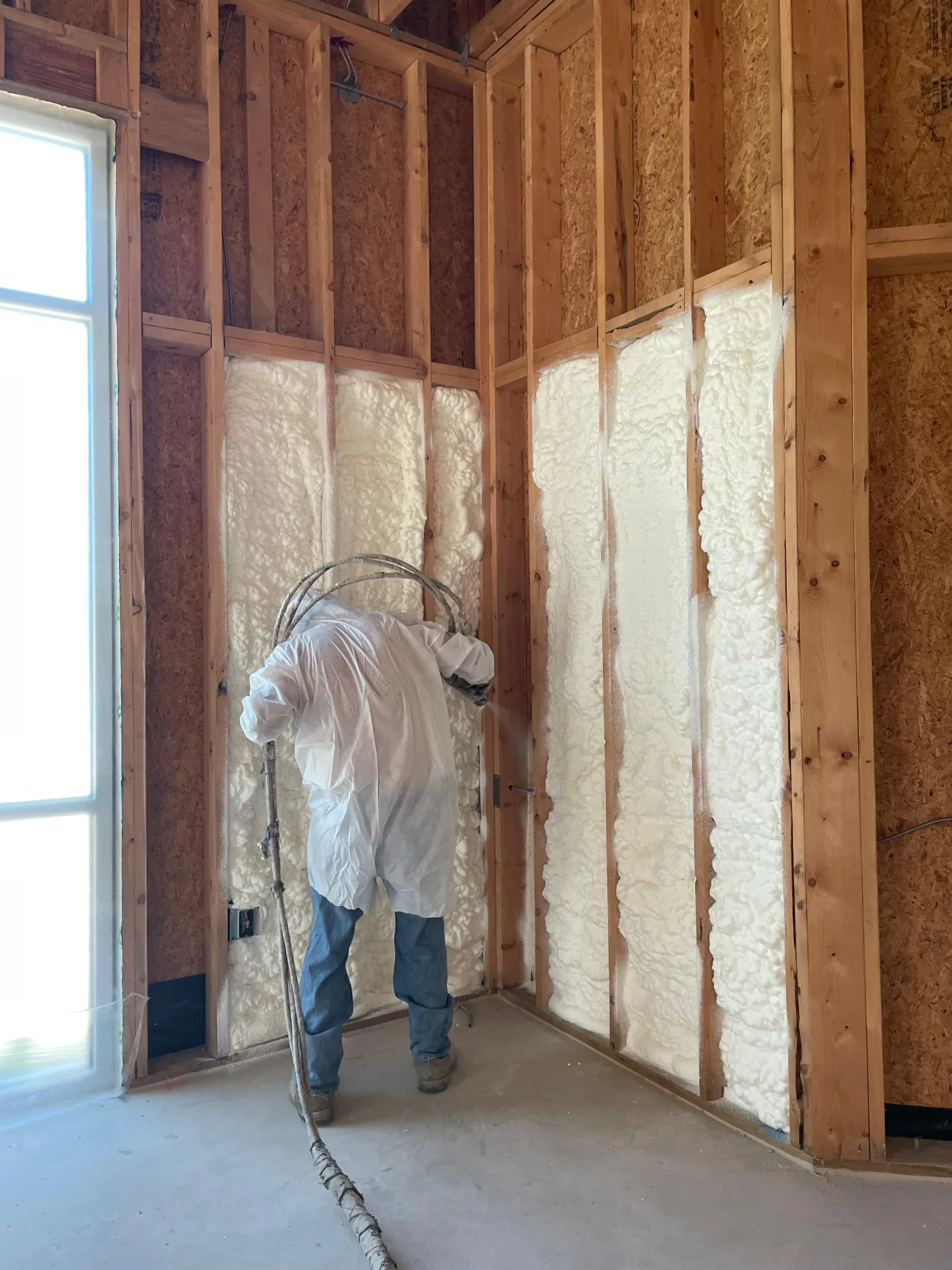
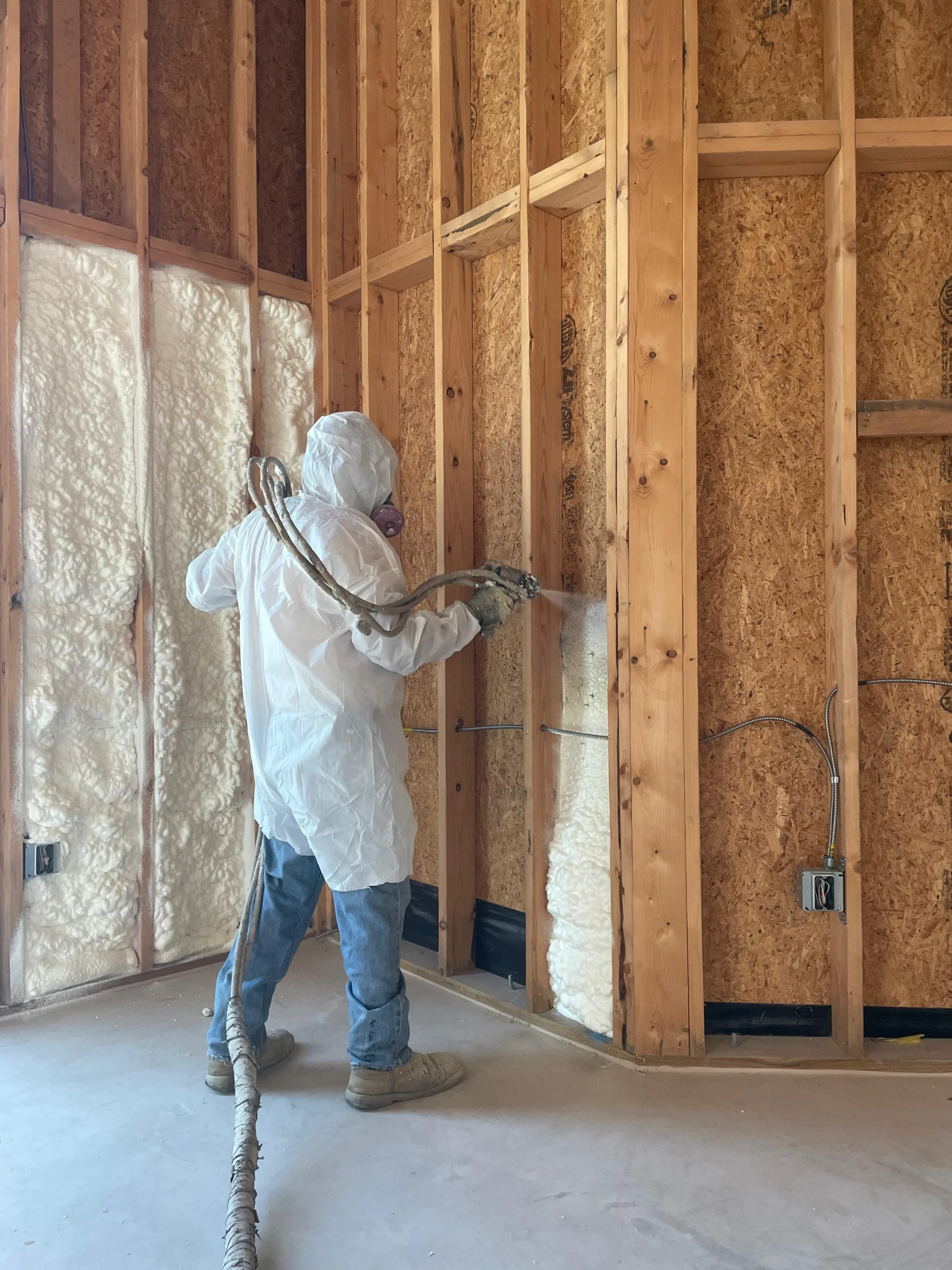
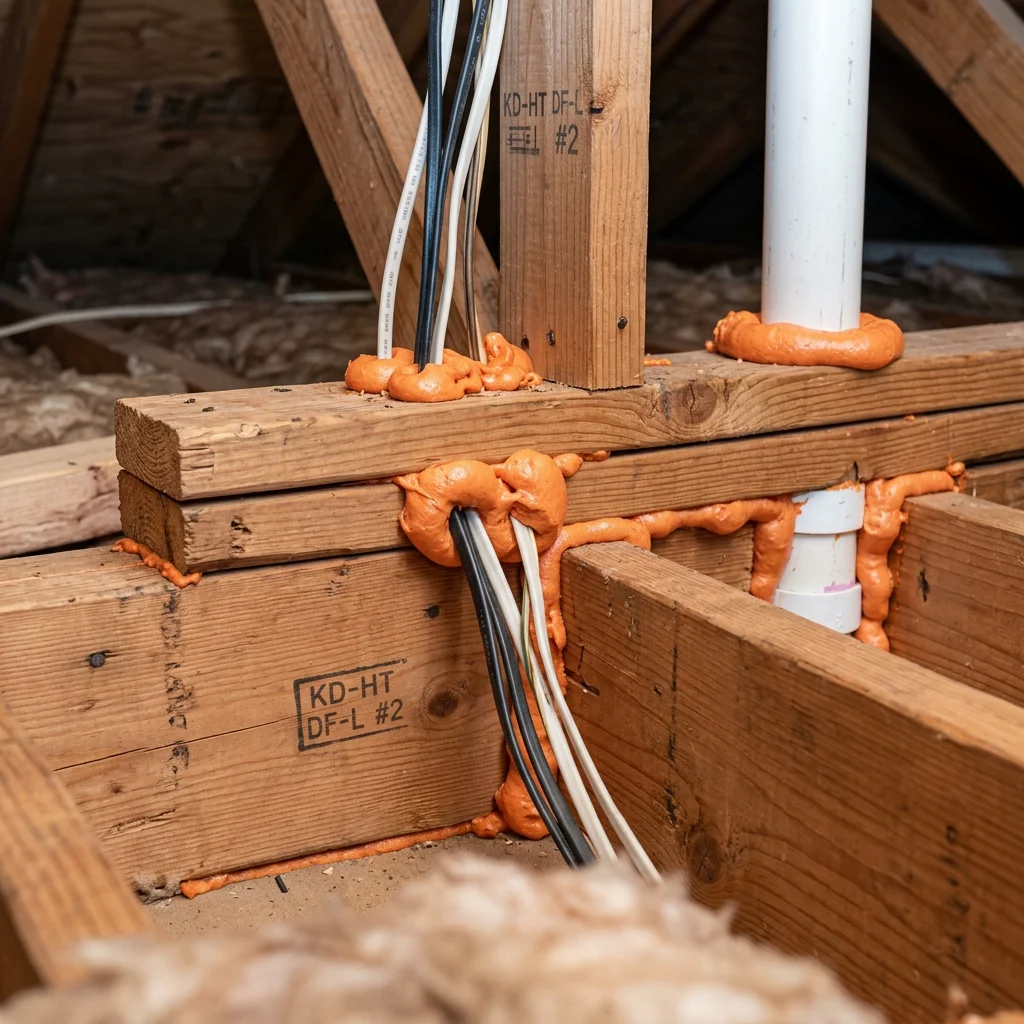
Spray foam insulation can make sense for some roofline and vaulted ceiling assemblies because it can add insulation and air sealing in one application. That does not mean it is automatically the right answer for every vaulted room. Access, roof structure, existing material, and building conditions should drive the recommendation.
Adjacent walls and transitions matter too. If the vaulted room connects to a knee wall, attic chase, garage wall, or addition seam, wall insulation or air sealing may be part of the scope. A good estimate separates the ceiling problem from wall and transition issues so the homeowner can see what each line item is meant to fix.
How to make the room more comfortable without guessing
Start by naming the exact complaint: the vaulted living room heats up after lunch, the bonus room never catches up, or the primary bedroom under a sloped roof stays warmer than the hallway. Then compare that complaint to the attic and roofline conditions. This keeps the recommendation grounded in the room you actually use, not a generic insulation package.
If the vaulted area can be accessed from an attic side, the solution may involve targeted air sealing, insulation correction, or transition work. If the roofline itself is the weak point, the estimate may discuss roofline insulation options and whether the cavity should be treated differently. If radiant load is part of the problem, radiant barrier may be reviewed for the accessible attic sections around the room.
For vaulted ceiling rooms across San Antonio, Bexar County, Leon Springs, Helotes, Stone Oak, Boerne, and nearby Central Texas communities, the best next step is a targeted inspection. Tell the estimator which ceiling slopes are involved, what time of day the room gets hot, and whether the space was part of an addition or remodel. Then request a free estimate that explains the roofline, attic, and wall conditions before you choose a material.
Expert Note
Do not treat every vaulted ceiling like an open attic
Ask whether the vaulted area is accessible, vented, air-sealed, and connected to nearby attic or wall cavities before approving a material recommendation.
Questions Answered
Straight answers before you book the estimate.
Vaulted ceiling rooms can be hotter because roof heat is closer to the living space, insulation space is limited, and air leaks or transitions may be harder to reach than in an open attic.
Sometimes, but only if the cavity and access allow it. Many vaulted ceilings need a different approach than a standard attic top-off, so the assembly should be inspected first.
Spray foam can be a strong option for some vaulted ceiling or roofline assemblies because it adds air sealing and insulation, but it should be recommended only after checking access, ventilation, and moisture conditions.
Yes, air sealing should be considered because air leaks around lights, ceiling penetrations, transitions, and attic connections can make insulation perform poorly.
It should identify the ceiling or roofline assembly, access points, existing insulation condition, air leakage concerns, ventilation or moisture considerations, and the recommended material for that specific room.
Related Routes
Inspect the roofline before choosing the fix
These services help evaluate vaulted ceilings, roofline insulation, nearby attic spaces, and transition areas.
Spray Foam Insulation
Review roofline and hard-to-seal areas where foam may be appropriate.
Learn MoreAttic Insulation
Check nearby attic sections, transitions, and insulation coverage around the room.
Learn MoreFree Estimate
Have Insulation Pros SATX inspect the vaulted room before choosing a material.
Learn MoreNext Step
Get a room-specific insulation plan
Insulation Pros SATX inspects vaulted ceilings, roofline insulation, nearby attic spaces, air leakage, and hard-to-cool rooms for homeowners across San Antonio, Bexar County, Leon Springs, Helotes, Stone Oak, Alamo Ranch, Boerne, and nearby Central Texas communities. Call (210) 239-2660 or request a free estimate.
Follow our insulation guides

Related Services
Book the service behind this article
If you are reading this because there is an active issue at home, these are the most relevant Insulation Pros SATX bookings to start with.
Keep Reading
Related Articles
Garage Conversion Insulation in San Antonio: What to Check Before You Finish the Room
Attic Insulation and Indoor Humidity in San Antonio: What It Can—and Cannot—Fix
Home Office Insulation in San Antonio: What to Check When One Room Stays Hot
Need Professional Help?
Insulation Pros SATX helps homeowners across San Antonio, Bexar County, and nearby Central Texas communities with attic insulation, spray foam, blown-in insulation, radiant barrier, crawl space, and removal projects.