
Energy Savings
Why Your AC Runs All Afternoon in San Antonio: Insulation Checks That Matter
Long afternoon HVAC runtime in San Antonio often points back to attic heat, air leaks, thin insulation, or radiant roof load, not just the AC unit.
Service Insights
Key facts that shape the recommendation.
Long afternoon AC runtime can be caused by attic heat, air leaks, thin insulation, or radiant roof load.
The attic should be checked before assuming the HVAC system is the only problem.
Air sealing, attic insulation depth, and radiant barrier solve different parts of the heat-gain problem.
A San Antonio estimate should connect the insulation scope to the rooms, bills, and runtime pattern you actually notice.
Why insulation affects HVAC runtime in San Antonio
HVAC runtime insulation in San Antonio is about finding why the house keeps gaining heat after the thermostat is already calling for cooling. The direct answer: if your AC runs hard through the afternoon, the attic should be checked for low insulation depth, air leaks, hot roof load, and weak coverage over the rooms that feel worst. A longer-running AC is not always a sign that the equipment is failing.
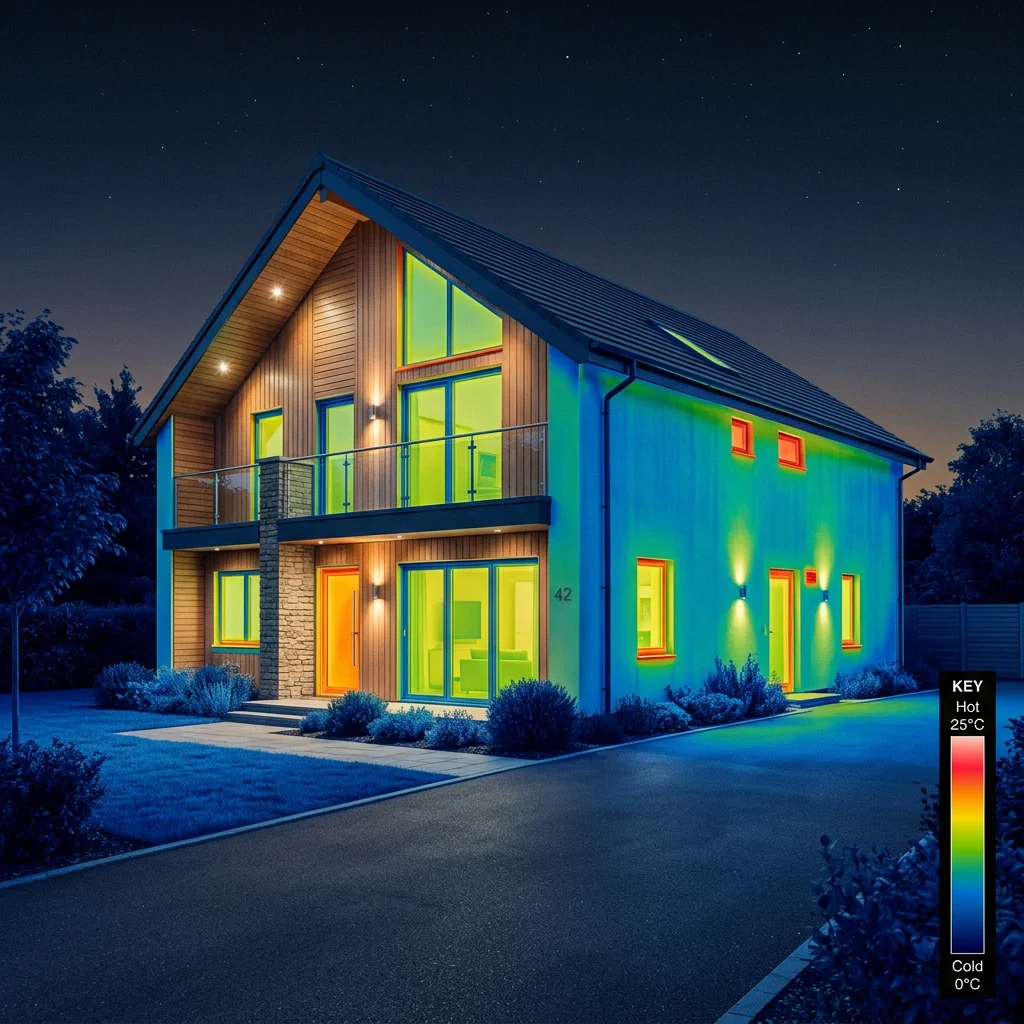
In San Antonio and Bexar County, roof surfaces can drive extreme attic temperatures during long sunny afternoons. If the attic floor is thin, uneven, or full of ceiling bypasses, that heat keeps moving into bedrooms, living rooms, and hallways while the HVAC tries to catch up. The result can look like poor cooling even when the air conditioner is doing exactly what it can.
A practical attic insulation inspection should measure the existing depth, identify missing coverage, and look for air leakage around attic access, can lights, chases, bath fans, and mechanical penetrations. For homes in NW San Antonio, Leon Springs, Helotes, Stone Oak, and Alamo Ranch, those details often explain why one side of the house struggles more than another. The goal is to reduce heat gain so the HVAC does not have to run as long to hold the same indoor temperature.
What to check before blaming the AC
Start with the attic areas above the rooms that get hot first. Look for compressed insulation, bare drywall, settled material, gaps near eaves, and access doors that are not insulated or sealed. If the attic insulation is low across the main field, blown-in insulation may be the right way to restore consistent coverage after air leaks are addressed.
Air sealing is the next check because moving air can bypass insulation. Air sealing insulation work focuses on closing attic bypasses before more material is added. That matters because conditioned air leaking into the attic can make the system run longer, while attic air leaking downward can make rooms feel hotter and dustier.
Radiant heat is a separate issue. If the attic already has reasonable insulation depth but the roof deck is driving heavy heat gain, radiant barrier may help reduce radiant load in the attic. It should be discussed as a roof-heat control layer, not as a replacement for missing insulation or air sealing.
How to turn a runtime complaint into a clear insulation scope
Before an estimate, write down when the AC runs the longest, which rooms lag behind, and whether the problem is worse upstairs, on the west side, or under a low attic section. That information helps the estimator match the field inspection to the actual comfort problem. A quote that only lists square footage and material type can miss why the HVAC runtime problem started.
A clear scope should separate attic depth correction, air sealing, radiant barrier, and any removal work if the existing material is damaged. It should also explain the order of work because adding insulation over obvious air leaks can hide problems instead of fixing them. For most homeowners, the useful question is not which product sounds strongest; it is which weak point is making the AC run longer.
If your AC runs all afternoon in San Antonio, Bexar County, Leon Springs, Helotes, Boerne, or nearby Central Texas communities, start with an attic and air-leak review before committing to equipment-only conclusions. Insulation Pros SATX can inspect the attic conditions, explain the likely heat path, and give you a practical next step through a free estimate. That gives you a better decision than guessing from the thermostat alone.
Expert Note
Track the pattern before the estimate
Tell the estimator when the AC runs longest, which rooms heat up first, and whether the issue follows sun exposure, upstairs rooms, or a specific attic section.
Questions Answered
Straight answers before you book the estimate.
Yes. Low attic insulation, air leaks, uneven coverage, and radiant roof heat can keep adding heat to the home, which makes the HVAC system run longer to hold temperature.
If the system is not cooling at all, call an HVAC technician. If it cools but runs too long, struggles in certain rooms, or fights attic heat every afternoon, an insulation inspection is a practical next step.
Common issues include low insulation depth, bare or disturbed attic areas, leaky attic hatches, open ceiling bypasses, unsealed penetrations, and heavy radiant heat from the roof deck.
Radiant barrier can help reduce radiant roof heat in the right attic, but it does not replace missing insulation or air sealing. The attic should be inspected as a system.
Ask what attic conditions are making the HVAC run longer, whether air sealing is needed before adding insulation, which rooms the scope targets, and whether radiant barrier is relevant.
Related Routes
Reduce the load before the AC has to fight it
These services help identify the attic and heat-gain issues that can keep the HVAC running.
Attic Insulation
Check depth, coverage, and heat transfer above the rooms that run hot.
Learn MoreAir Sealing Insulation
Close attic bypasses that let conditioned air escape or attic air move down.
Learn MoreFree Estimate
Have Insulation Pros SATX inspect the attic before guessing at the cause.
Learn MoreNext Step
Find out why your AC keeps running
Insulation Pros SATX checks attic insulation depth, air sealing needs, radiant heat conditions, and room-specific comfort issues for homeowners across San Antonio, Bexar County, Leon Springs, Helotes, Stone Oak, Alamo Ranch, and nearby Central Texas communities. Call (210) 239-2660 or request a free estimate.
Follow our insulation guides

Related Services
Book the service behind this article
If you are reading this because there is an active issue at home, these are the most relevant Insulation Pros SATX bookings to start with.
Keep Reading
Related Articles
Does Attic Insulation Help in a San Antonio Winter? What Homeowners Should Check
Attic Insulation After an AC Replacement in San Antonio: What to Check
Radiant Barrier vs. Spray Foam in San Antonio Attics: Which Heat Fix Fits?
Need Professional Help?
Insulation Pros SATX helps homeowners across San Antonio, Bexar County, and nearby Central Texas communities with attic insulation, spray foam, blown-in insulation, radiant barrier, crawl space, and removal projects.