
Blown-In Insulation
Helotes Blown-In Insulation: When an Attic Top-Off Makes Sense
A Helotes attic with low or uneven insulation can make rooms harder to keep comfortable in Texas heat. Learn when a blown-in top-off is practical and what should be checked first.
Service Insights
Key facts that shape the recommendation.
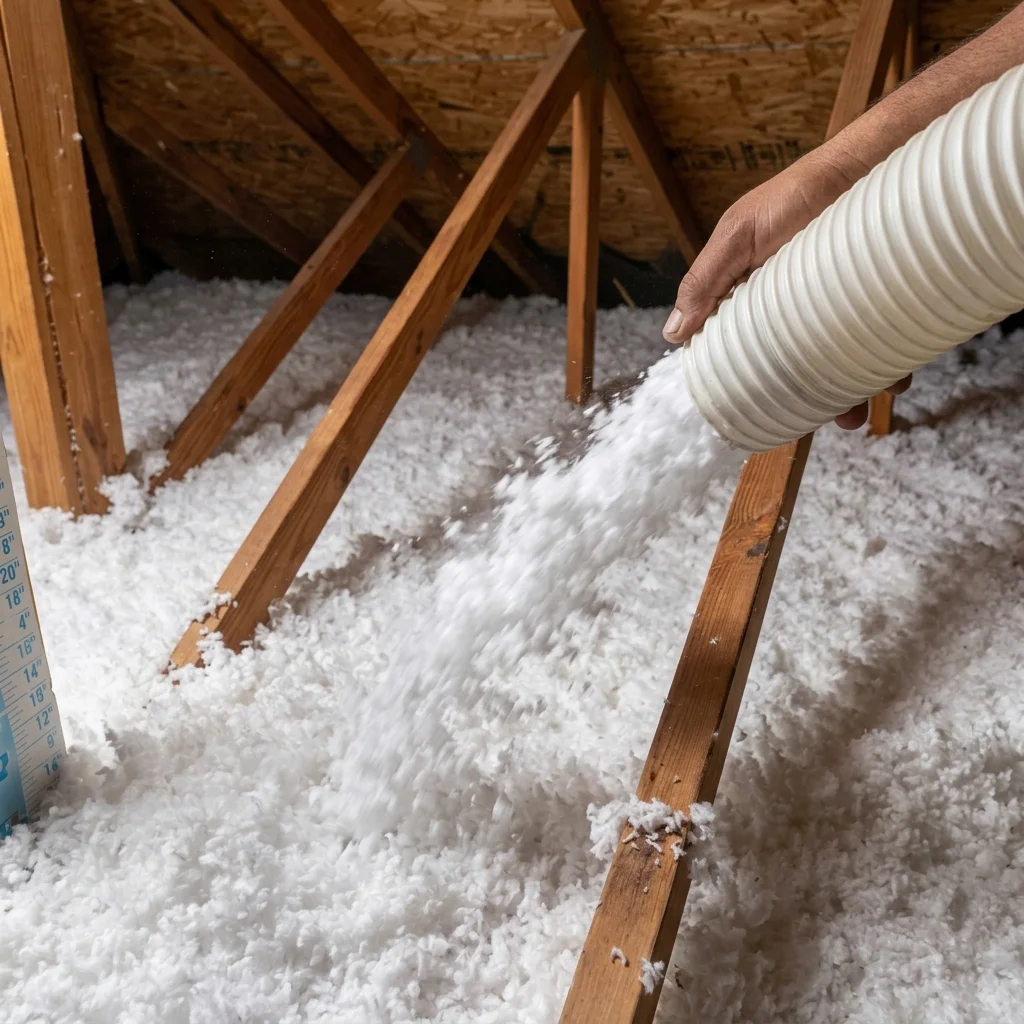
Blown-in insulation can help restore more even attic coverage when existing material is clean, dry, accessible, and simply low or settled.
A top-off should follow an inspection for moisture, pests, damaged material, accessible air leaks, storage areas, wiring, ducts, and ventilation details.
More insulation is not automatically the right answer for every hot room; roof, duct, window, solar-exposure, and HVAC conditions can matter too.
For Helotes and NW San Antonio homes, the practical goal is a continuous attic layer that fits the home’s actual construction and comfort priorities.
The short answer: a blown-in top-off can help when the attic is ready for it
Helotes blown-in insulation is often worth considering when an attic has clean, dry material that has settled, looks uneven, or no longer creates a consistent layer above the living space. In a long stretch of Texas heat, low spots can allow more attic heat to reach the ceiling below, which may make certain rooms feel harder to manage and keep the air conditioner running longer.
The key word is “when.” A top-off is not a shortcut for every comfort complaint, and it should not cover wet, contaminated, pest-damaged, or heavily disturbed material. Before adding loose-fill insulation, the attic needs a clear look at its existing condition, access, and the openings that could let attic air bypass the thermal layer.
For homeowners in Helotes, Leon Springs, and nearby NW San Antonio, a practical inspection begins with the accessible attic facts rather than a generic product recommendation. That gives you a better basis for deciding whether blown-in insulation is the next step or whether preparation work comes first.
What should be checked before a Helotes attic insulation top-off
Start with material condition. Look for dampness, staining, mold-like growth, pest activity, strong odors, heavy soiling, or damage that needs attention before new material is added. Those observations may point to a roof, pest, moisture, or cleanup issue that should be addressed before an insulation scope is finalized.
Next, consider what will be buried or made harder to reach after loose-fill material is installed. Attic hatches, walkways, storage platforms, wiring, recessed fixtures, duct runs, equipment, and ventilation details all deserve a plan that keeps necessary access clear. A continuous layer should support comfort without blocking components that need to remain visible or serviceable.
Then look for accessible air-leakage paths. Openings around plumbing, wiring, chases, and ceiling transitions are often easier to identify before a top-off covers the attic floor. Targeted air sealing can be part of the preparation process, because insulation performs better when large bypasses are not left open behind it.
When blown-in insulation is a better fit than removal or a different scope
A top-off is most straightforward when the existing attic insulation is dry, reasonably clean, and compatible with a more even layer. It can be a practical way to address visibly low or settled coverage after the attic floor has been prepared and the project boundaries are clear. An attic insulation assessment should explain where the coverage is inconsistent and which accessible details need attention first.
Removal may be the better path when material is wet, contaminated, heavily soiled, pest-damaged, or prevents a clean view of the attic floor and its underlying conditions. In that case, a discussion about insulation removal should come before a new blown-in layer so the attic is ready for a long-term plan.
If a Helotes home still has hot rooms or long AC cycles, do not assume the attic alone explains it. Request a free estimate and describe which rooms feel uncomfortable, when the issue happens, and what you have observed in the attic. That helps keep the recommendation specific to your home and the Central Texas climate.
Expert Note
A top-off should follow preparation, not hide problems
If the attic has water damage, pests, contamination, or accessible gaps, document and address those conditions before installing a new loose-fill layer.
Questions Answered
Straight answers before you book the estimate.
A top-off can make sense when existing attic insulation is clean, dry, accessible, and visibly low or uneven. The attic should also be checked for air leaks, moisture clues, pests, access paths, wiring, ducts, and ventilation details before new material is installed.
It can be added over compatible, dry, and reasonably clean material when the attic is prepared for it. Wet, contaminated, pest-damaged, heavily soiled, or otherwise compromised insulation should be evaluated before a top-off.
No. Low attic coverage can be one factor, but hot rooms may also relate to air leaks, ducts, windows, solar exposure, roof conditions, equipment, or other parts of the home. An inspection should connect the recommendation to the actual conditions.
Often, yes. Accessible gaps around wiring, plumbing, hatches, and framing transitions are easier to identify and address before loose-fill insulation covers the attic floor.
Yes. Insulation Pros SATX serves Helotes, San Antonio, Leon Springs, Bexar County, and nearby Central Texas communities with attic insulation, blown-in insulation, air sealing, spray foam, and insulation removal services.
Related Routes
Build a complete attic comfort plan
Use these related services to address coverage, accessible gaps, and material condition in the right order.
Blown-In Insulation
Restore more even attic coverage when the existing material and attic conditions support a top-off.
Learn MoreAttic Insulation
Review coverage, attic access, material condition, and the insulation factors behind home comfort.
Learn MoreAttic Air Sealing
Address reachable bypasses before new loose-fill insulation covers the attic floor.
Learn MoreNext Step
Get a blown-in insulation assessment in Helotes
Insulation Pros SATX checks visible attic coverage, material condition, access, and air-leakage details before recommending a Helotes insulation top-off.
Follow our insulation guides

Related Services
Book the service behind this article
If you are reading this because there is an active issue at home, these are the most relevant Insulation Pros SATX bookings to start with.
Keep Reading
Related Articles
Blown-In Insulation Bag Count: What San Antonio Homeowners Should Check
New Braunfels Blown-In Insulation: When an Attic Top-Off Makes Sense
Fiberglass vs. Cellulose Blown-In Insulation in San Antonio: Which Attic Top-Off Fits?
Need Professional Help?
Insulation Pros SATX helps homeowners across San Antonio, Bexar County, and nearby Central Texas communities with attic insulation, spray foam, blown-in insulation, radiant barrier, crawl space, and removal projects.