
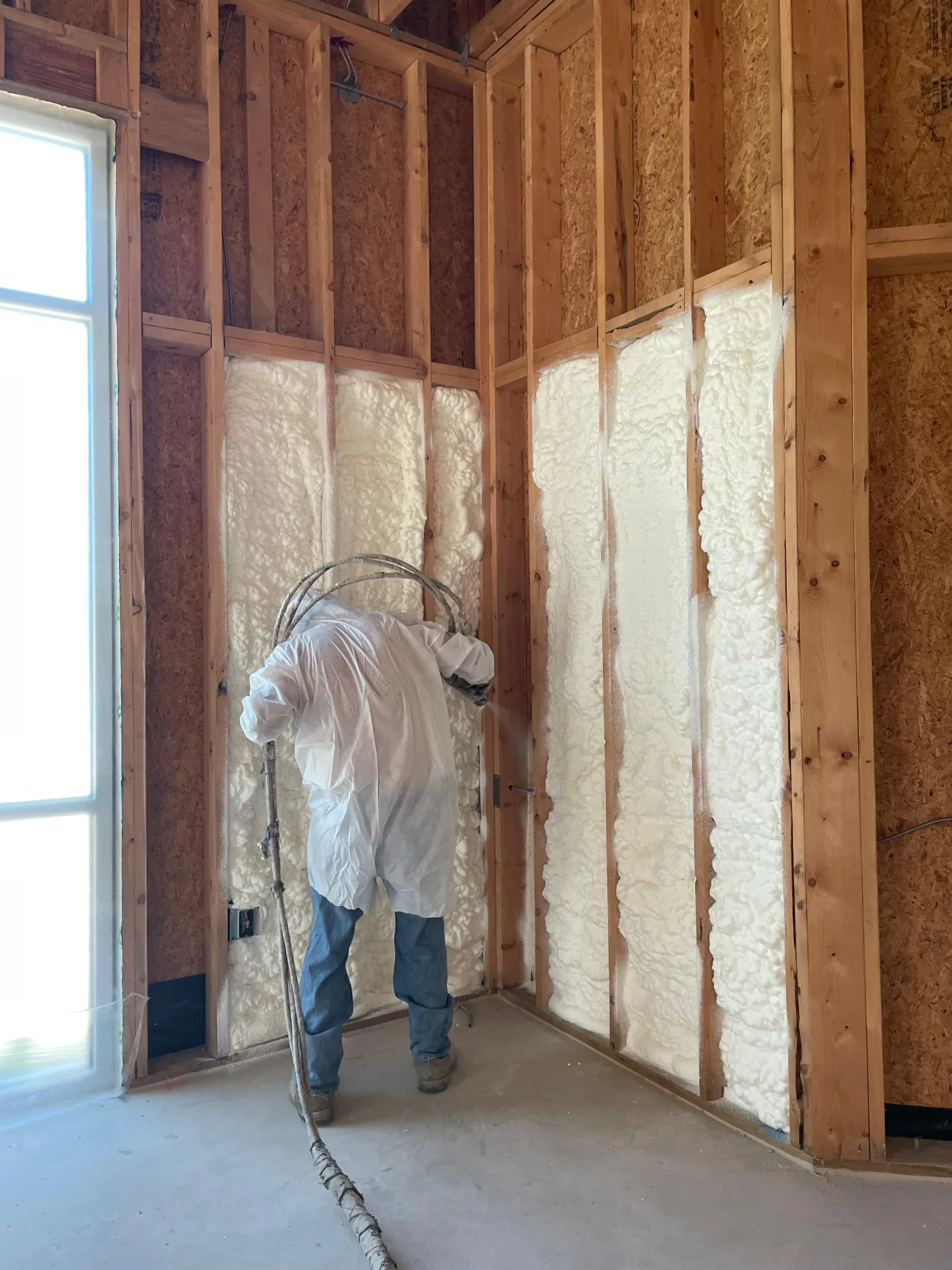
Blown-In Insulation
Fiberglass vs. Cellulose Blown-In Insulation in San Antonio: Which Attic Top-Off Fits?
Fiberglass and cellulose can both work for San Antonio attic top-offs, but the right choice depends on attic condition, depth, air sealing, moisture risk, and how the home handles summer heat.
Service Insights
Key facts that shape the recommendation.
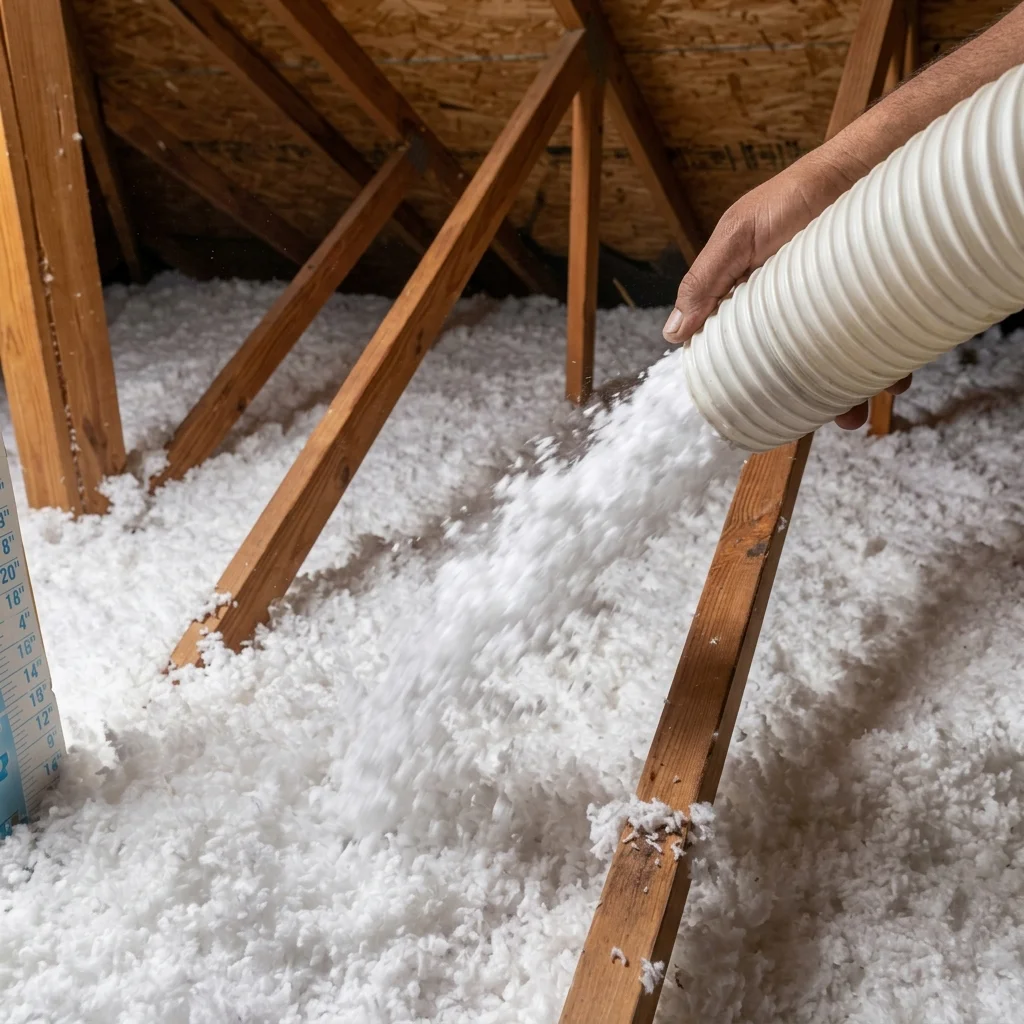
Fiberglass and cellulose can both be used as loose-fill attic insulation, but they behave differently once installed.
San Antonio attic performance depends on coverage, depth, air sealing, ventilation, and clean installation more than the material label alone.
A top-off should start with an attic inspection so damaged material, open air leaks, and blocked airflow are not buried.
The best material choice depends on the home, existing insulation, access, moisture history, and comfort goals.
The short answer: compare the attic, not just the bag
Fiberglass vs cellulose insulation in San Antonio is a common attic top-off question because both materials can add useful loose-fill depth. The direct answer: either can work when the attic is clean, dry, and prepared, but the right choice depends on the existing insulation, air leaks, ventilation paths, moisture history, and how much coverage the attic needs. A material comparison only helps after the attic itself is checked.
In San Antonio, Bexar County, NW San Antonio, Leon Springs, Helotes, Stone Oak, and Alamo Ranch, attic heat puts pressure on the ceiling plane for long summer hours. If the attic is thin, uneven, or full of gaps, a blown-in insulation top-off can help rebuild coverage over bedrooms, hallways, and living areas. But loose-fill depth will not solve every comfort issue if air leaks or damaged material stay hidden underneath.
That is why the better question is not simply whether fiberglass or cellulose is better. The better question is which material and prep sequence fit your attic. Insulation Pros SATX starts with the condition of the attic layer before recommending a specific top-off plan.
| Factor | Fiberglass | Cellulose |
|---|---|---|
| Material | Spun glass fibers | Recycled paper fiber, treated during manufacture |
| Available forms | Loose-fill and batts | Loose-fill, dense-packed in cavities |
| Fire treatment | Non-combustible material | Treated with fire-retardant additives |
| Density | Lighter per installed volume | Heavier per installed volume, which matters on older ceilings |
| Behavior around obstructions | Loose-fill flows around framing and wiring | Loose-fill flows around framing and wiring; dense-pack fills cavities tightly |
| If it gets wet | Can often dry if the water source is fixed and it is not contaminated | Absorbs and holds water; wet material is normally removed |
| Settling | Settles modestly over time | Settles more, so installed depth is set accordingly |
How fiberglass and cellulose differ in real attic decisions
Fiberglass loose-fill is light and commonly used for attic coverage. Cellulose is denser and is also used for loose-fill attic applications. Both materials need even installation, correct depth, and protection from attic problems that would weaken performance over time.
The real decision usually comes down to site conditions. If an attic already has clean loose-fill insulation, the estimator should identify what is there, whether it can stay, and how the new layer will blend with the old one. If the existing material is wet, pest-damaged, heavily dirty, or compressed under storage, insulation removal may need to come before any new material is added.
Air movement matters too. Open bypasses around chases, wiring holes, attic hatches, and top plates can make a deeper attic layer underperform. A practical estimate should consider air sealing insulation before loose-fill material covers those details.
What San Antonio homeowners should ask before choosing
Ask what problem the top-off is meant to solve. If the home has warm rooms under low attic depth, the answer may be a straightforward coverage upgrade. If the home has room-specific hot spots, long HVAC runtime, dusty old material, or evidence of moisture, the insulation scope may need more prep.
Ask how ventilation paths and access areas will be protected. Loose-fill insulation should not bury soffit airflow, block required access, or hide areas that need inspection later. This is especially important in San Antonio attics where roof heat, stored items, and mechanical work can disturb the attic floor.
If you are comparing fiberglass and cellulose for a San Antonio attic, Insulation Pros SATX can inspect the existing layer, explain the material choice in plain terms, and recommend a clean top-off sequence. Start with a whole-attic insulation check, then choose the material that fits the actual conditions. Request a free estimate before covering old problems with new insulation.
Expert Note
Prep matters before material
Do not choose fiberglass or cellulose before checking whether the attic has wet material, air leaks, blocked ventilation, or low areas that need correction.
Questions Answered
Straight answers before you book the estimate.
Either can work when the attic is prepared correctly. The better choice depends on existing insulation, attic condition, moisture history, access, ventilation, and the coverage depth needed.
It may be possible when the existing fiberglass is clean, dry, and not contaminated. The attic should be inspected first so damaged material or open air leaks are not buried.
It can be considered if the old cellulose is clean, dry, and stable. Wet, pest-damaged, moldy, or heavily dirty insulation should be reviewed for removal before a top-off.
Material matters, but attic performance also depends on installed depth, even coverage, air sealing, ventilation, and whether the existing insulation is clean enough to keep.
Often, yes. Air leaks are easier to reach before loose-fill insulation is added, and sealing them can help the new attic layer perform more consistently.
Related Routes
Compare materials with the attic in mind
These services help turn a material question into a practical attic plan.
Blown-In Insulation
Add loose-fill attic depth after the existing layer and access paths are checked.
Learn MoreAir Sealing Insulation
Seal attic bypasses before new loose-fill material hides them.
Learn MoreAttic Insulation
Inspect attic depth, coverage, ventilation, and material condition together.
Learn MoreNext Step
Choose attic insulation based on real attic conditions
Insulation Pros SATX compares existing insulation, attic depth, air leaks, ventilation paths, and top-off options for homeowners across San Antonio, Bexar County, Leon Springs, Helotes, Stone Oak, Alamo Ranch, Boerne, and nearby Central Texas communities. Call (210) 239-2660 or request a free estimate.
Follow our insulation guides

Related Services
Book the service behind this article
If you are reading this because there is an active issue at home, these are the most relevant Insulation Pros SATX bookings to start with.
Keep Reading
Related Articles
New Braunfels Blown-In Insulation: When an Attic Top-Off Makes Sense
Blown-In Insulation Over Existing Batts in San Antonio: When a Top-Off Works
Settled Blown-In Insulation in Older San Antonio Attics
Need Professional Help?
Insulation Pros SATX helps homeowners across San Antonio, Bexar County, and nearby Central Texas communities with attic insulation, spray foam, blown-in insulation, radiant barrier, crawl space, and removal projects.