
Home Comfort
Attic Insulation and Indoor Humidity in San Antonio: What It Can—and Cannot—Fix
Attic insulation can reduce heat transfer, but it does not solve every humidity problem. Learn what San Antonio homeowners should inspect before choosing an insulation upgrade.

Service Insights
Key facts that shape the recommendation.
Attic insulation slows heat transfer, which can make the cooling system’s job more manageable, but it does not independently remove moisture from indoor air.
A humid San Antonio home can involve attic air leaks, duct or HVAC conditions, outdoor-air entry, plumbing or roof moisture, and the existing insulation layer together.
New insulation should not cover wet, mold-like, pest-damaged, or heavily soiled material before the underlying condition is understood.
The useful first step is to separate a comfort complaint from a moisture source, then address the accessible attic conditions in the right order.
The short answer: insulation can help with heat, not every humidity source
Attic insulation and humidity in San Antonio are connected, but not in the simple way many homeowners expect. The direct answer: a stronger attic layer can reduce the heat moving into the living space, yet insulation by itself does not dehumidify a house or correct every reason indoor air feels damp. If the AC runs for long stretches and the home still feels warm or sticky, the attic is worth inspecting alongside the cooling system and any visible moisture clues.
In San Antonio’s long warm season, hot attic air can add to the load on ceilings, ducts, and rooms below. When an attic has thin, uneven, compressed, or disturbed material, a practical attic insulation review can show whether heat transfer is part of the comfort problem. That review should also look for the gaps that let attic or outdoor air bypass the insulation layer.
Insulation Pros SATX helps homeowners in San Antonio, Leon Springs, NW San Antonio, Bexar County, and nearby Central Texas communities evaluate accessible insulation and air-leakage conditions in plain language. The goal is not to blame insulation for every humidity complaint; it is to identify where the attic is contributing and where another moisture or HVAC issue needs attention.
What to inspect before adding attic insulation
Start with the existing material and the attic floor. Look for thin coverage, low spots, insulation pushed aside by traffic, compression, staining, dampness, and any signs of a roof leak or plumbing issue. Those conditions matter because adding a new layer can hide the evidence needed to decide whether the attic is ready for a top-off.
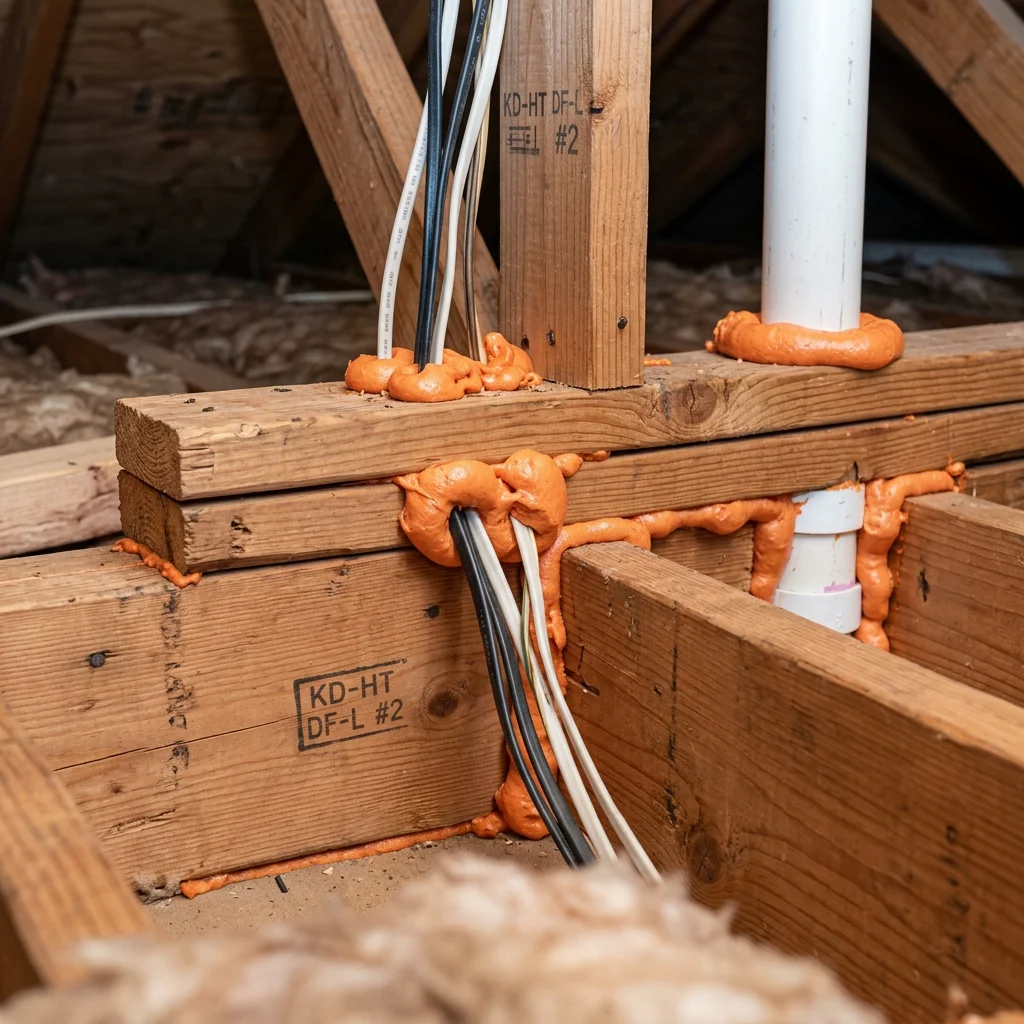
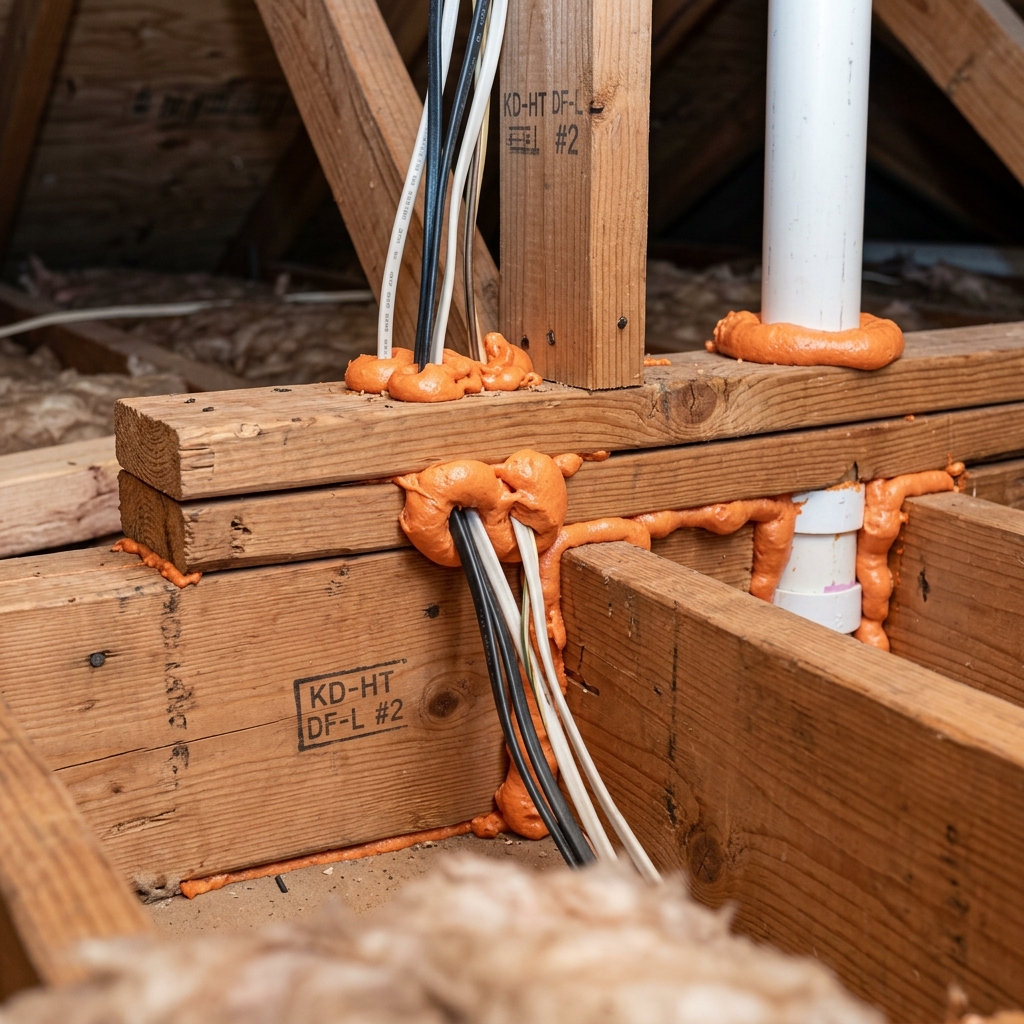
Next, inspect accessible bypasses. Gaps around wiring, plumbing, top plates, chases, and attic hatches can let hot attic air or outdoor air move around the insulation layer. Targeted air sealing is often easiest before loose-fill material is added, because the openings remain visible and reachable.
Finally, keep moisture sources separate from insulation performance. Active roof leaks, damp duct insulation, condensate concerns, plumbing leaks, or a cooling system that is not managing indoor moisture need their own evaluation. A complete comfort conversation can include the attic findings, but it should not promise that an insulation product will cure a source that is outside the attic layer.
When a top-off, removal, or another next step makes sense
A blown-in top-off can be a sensible next step when the attic is clean, dry, accessible, and under-insulated after visible gaps and ventilation details have been reviewed. More consistent blown-in insulation can help rebuild the thermal layer over the rooms below and reduce unnecessary heat gain during San Antonio afternoons.
Removal should be discussed first when old material is wet, contaminated, pest-damaged, heavily soiled, or prevents a clear look at the attic floor. A clean start through insulation removal can make it easier to identify air leaks and confirm that the space is ready before replacement.
If your home feels humid as well as hot, ask for an attic review that explains the visible insulation condition, accessible gaps, and any moisture clues that should be handled elsewhere. Request a free estimate to connect the attic facts to a practical comfort plan instead of guessing from one symptom.
Expert Note
Do not use insulation to hide an active moisture problem
If the attic shows dampness, staining, a roof leak, plumbing leakage, or damaged material, identify the source first. New insulation performs best in a clean, dry, prepared space.
Questions Answered
Straight answers before you book the estimate.
Attic insulation can reduce heat transfer and help the cooling system manage its workload, but it does not directly remove moisture from indoor air. A humid home can also involve air leaks, HVAC or duct conditions, outdoor-air entry, plumbing leaks, or roof moisture.
Yes. Accessible attic gaps around wiring, plumbing, hatches, and framing can allow hot attic or outdoor air to bypass the insulation layer. Those areas are useful to inspect before new insulation is added.
Not until the moisture source and material condition are understood. Wet, contaminated, pest-damaged, or heavily soiled insulation may need removal or another corrective step before a new layer is installed.
It can help when low or uneven attic insulation is adding heat gain to the home. Actual HVAC runtime also depends on air leaks, duct condition, equipment performance, sun exposure, and how the home is used.
It should review insulation coverage and condition, accessible air leaks, roof or plumbing moisture clues, ventilation details, duct-area conditions, and whether another trade needs to evaluate a non-insulation cause.
Related Routes
Connect humidity concerns to the right attic work
These services help separate insulation needs from the preparation work that makes an attic upgrade perform properly.
Attic Insulation
Review attic coverage, depth, and the conditions affecting heat transfer above the living space.
Learn MoreAir Sealing
Address accessible attic bypasses before they are buried beneath new insulation.
Learn MoreInsulation Removal
Clear wet, contaminated, or damaged material before rebuilding a clean attic layer.
Learn MoreNext Step
Get an attic insulation estimate for your San Antonio home
Insulation Pros SATX checks attic coverage, accessible air leaks, existing material, and moisture clues for homeowners in San Antonio, Leon Springs, Bexar County, and nearby Central Texas communities. Call (210) 239-2660 or request a free estimate.
Follow our insulation guides

Related Services
Book the service behind this article
If you are reading this because there is an active issue at home, these are the most relevant Insulation Pros SATX bookings to start with.
Keep Reading
Related Articles
Garage Conversion Insulation in San Antonio: What to Check Before You Finish the Room
Home Office Insulation in San Antonio: What to Check When One Room Stays Hot
Air Sealing vs. Insulation in San Antonio: Which Comes First?
Need Professional Help?
Insulation Pros SATX helps homeowners across San Antonio, Bexar County, and nearby Central Texas communities with attic insulation, spray foam, blown-in insulation, radiant barrier, crawl space, and removal projects.