
Home Comfort
Garage Conversion Insulation in San Antonio: What to Check Before You Finish the Room
Turning a garage into living space changes how that room handles San Antonio heat. Learn which insulation and air-leak details to check before the finishes go up.
Service Insights
Key facts that shape the recommendation.
A garage built for parking is not automatically ready to perform like conditioned living space, especially through San Antonio summer heat.
The walls, ceiling or attic transition, garage door, exterior penetrations, slab edge, and HVAC plan can all affect whether the finished room stays comfortable.
Insulation should be installed after visible moisture or damage concerns are understood and before drywall or other finishes make the cavity harder to reach.
An insulation scope should focus on accessible building-envelope conditions; electrical, HVAC, structural, ventilation, and permitting questions may require the appropriate specialist.
The short answer: a garage conversion needs an insulation plan before the room is finished
Garage conversion insulation in San Antonio deserves attention before the new room is closed up. The direct answer: a garage often begins with different walls, a different ceiling condition, more penetrations, and a large door opening than a typical bedroom, so the envelope should be reviewed before expecting it to feel like the rest of the house.
In San Antonio and nearby Bexar County communities, that difference is noticeable when afternoon sun loads the garage side of the home. A room can have new finishes and still be difficult to cool if the ceiling, exterior walls, connected attic areas, or accessible air paths were not evaluated while they were open.
Insulation Pros SATX helps homeowners in San Antonio, Leon Springs, NW San Antonio, Bexar County, and nearby Central Texas communities review accessible insulation and air-leakage conditions. The goal is a practical envelope plan that fits the actual conversion—not a generic promise that one material solves every comfort, HVAC, or construction question.
What to inspect before drywall or finishes go up
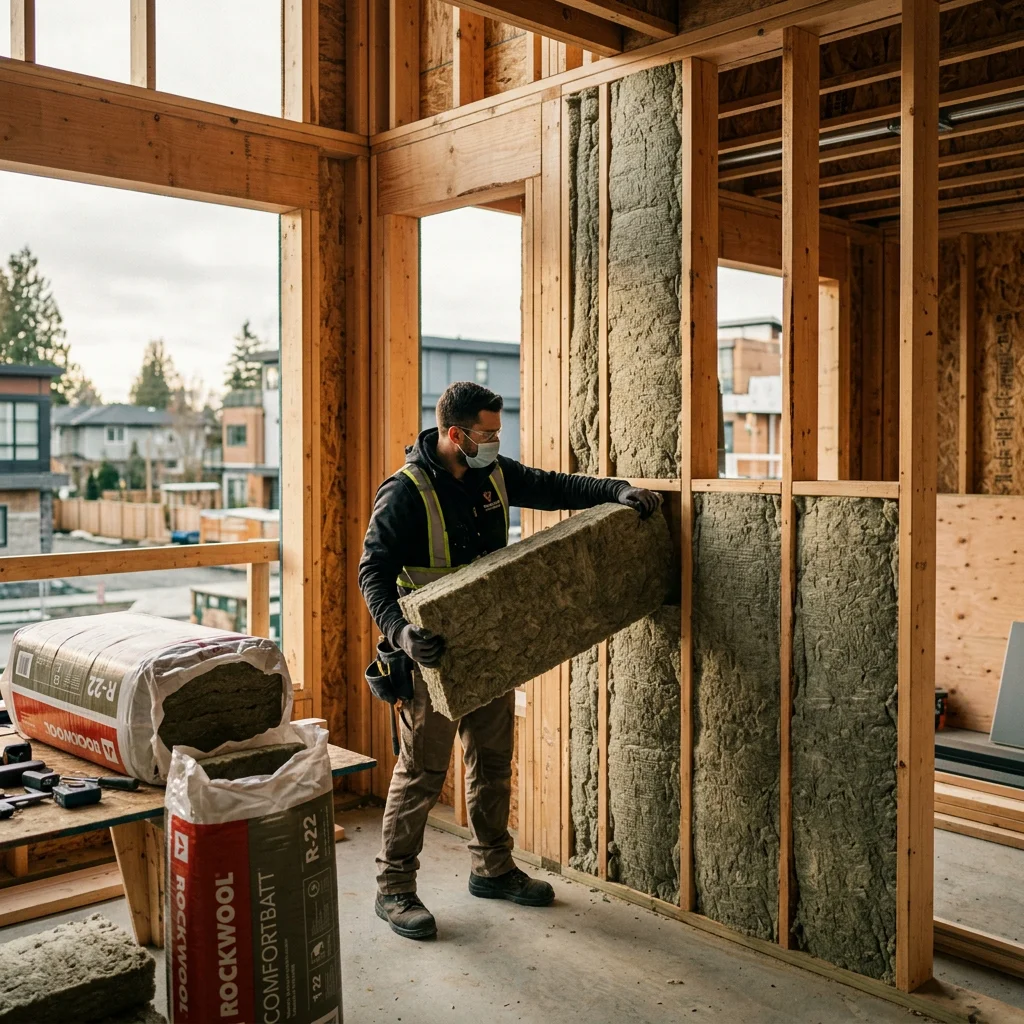
Start with the surfaces that separate the future room from outdoors or unconditioned space. That can include exterior walls, the ceiling below an attic, walls next to unfinished garage areas, and any accessible transition where framing changes. Look for open cavities, missing or compressed material, gaps around wiring and plumbing, unsealed chases, and any evidence of moisture or past damage.
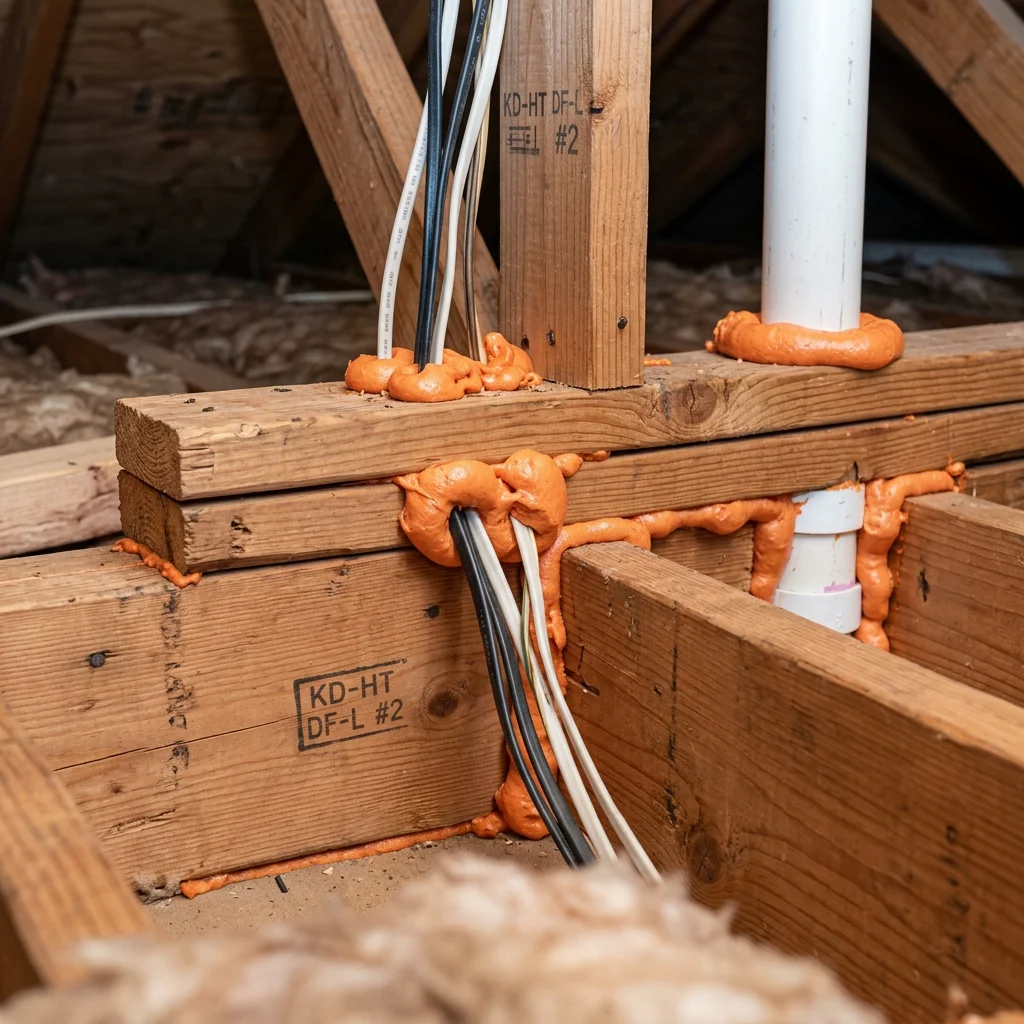
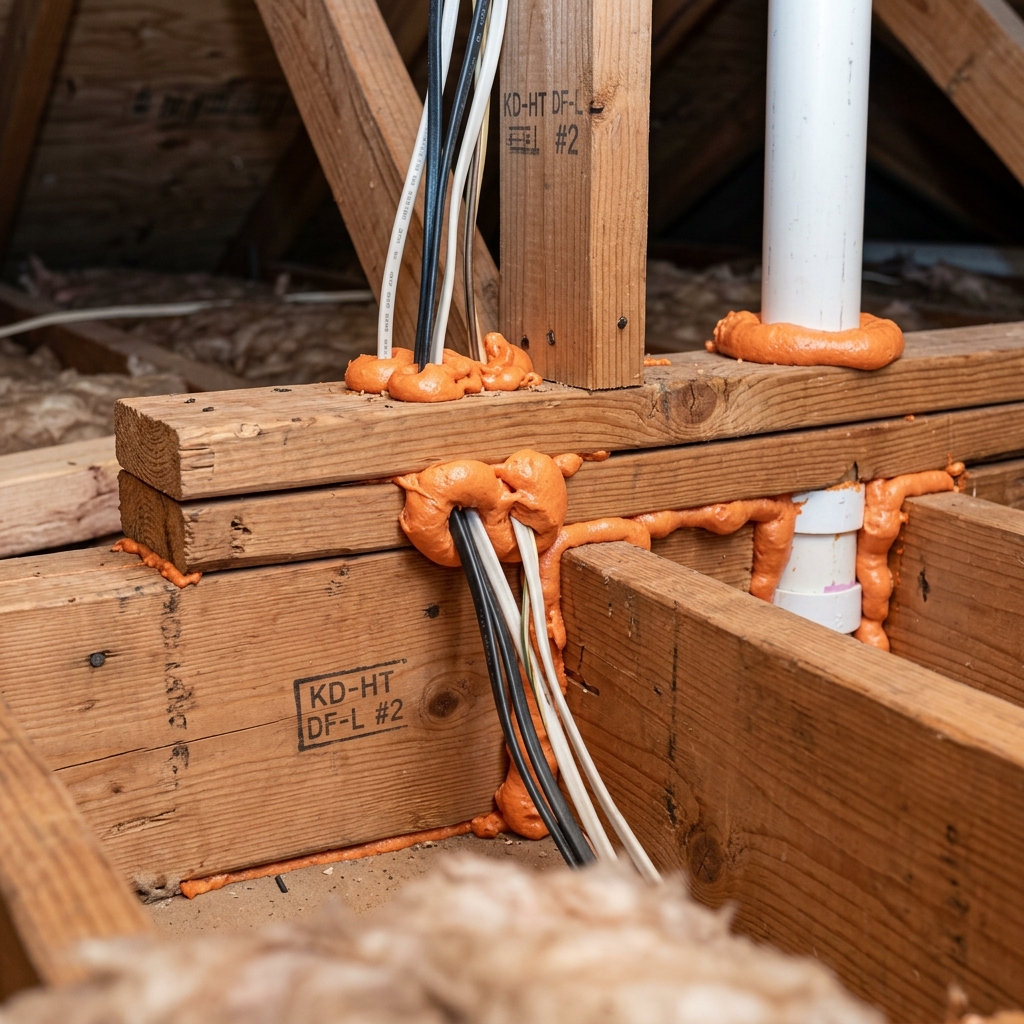
Then consider the air path. Accessible openings around framing, electrical boxes, plumbing, and ceiling transitions can let outdoor or garage air move around the insulation layer. Targeted air sealing is generally easiest while those details are visible, before drywall and trim limit access.
Finally, keep the insulation scope separate from other project decisions. Heating and cooling design, electrical work, garage-door changes, drainage, structural alterations, ventilation, and permits should be reviewed by the professional responsible for that work. An insulation estimate can identify accessible envelope conditions and explain which areas are ready for material before the conversion moves to its next phase.
Choosing the right insulation area for the conversion
A garage conversion may need more than one insulation area considered. An open exterior wall might be a candidate for a wall insulation review, while a ceiling under an attic can call for an attic-focused plan once the existing conditions are known.
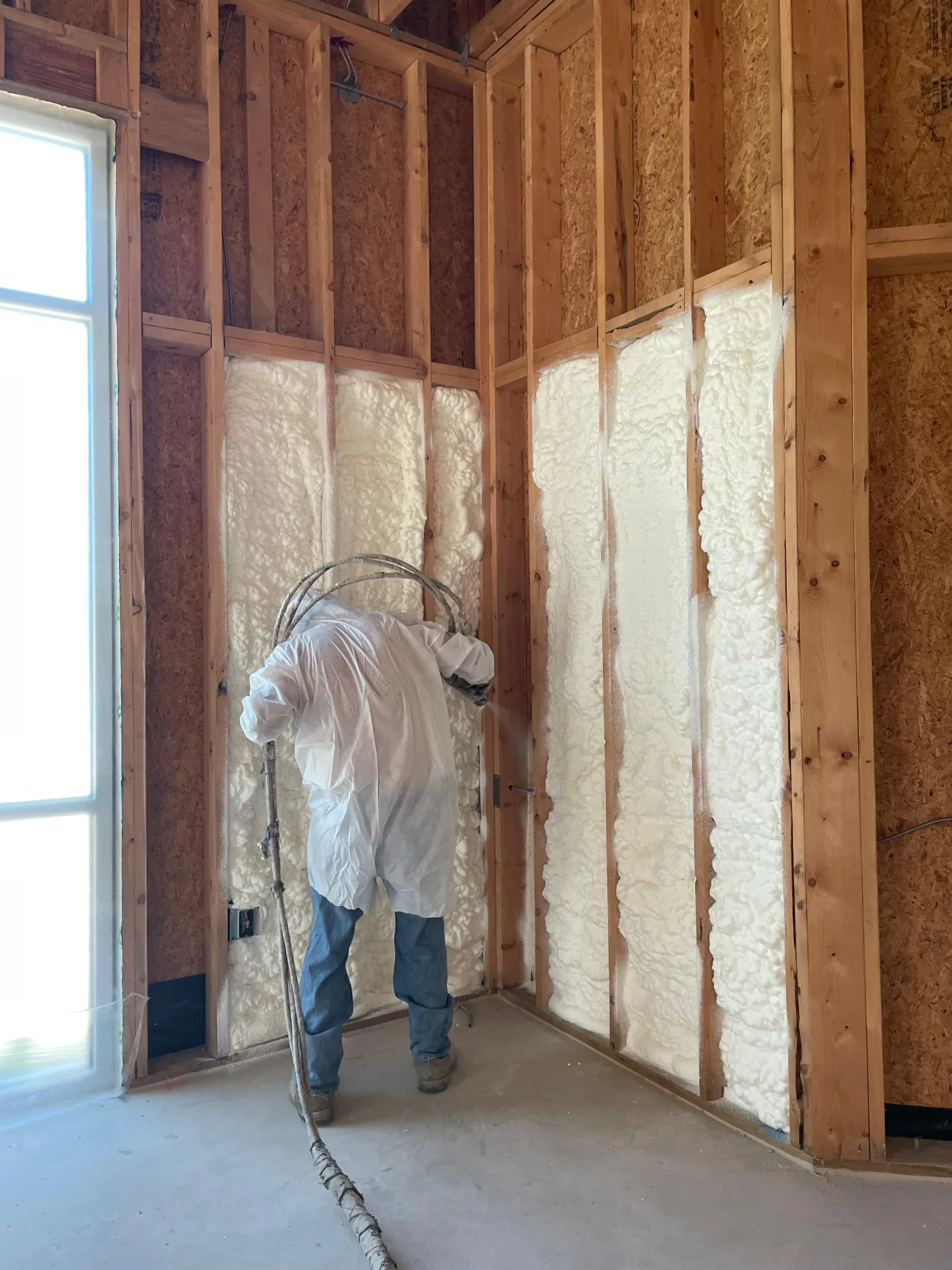
Where the conversion meets an attic, a clean and accessible attic with low or uneven coverage may be a fit for blown-in insulation. Where a cavity needs both insulation and air-control consideration, a spray foam insulation discussion may be relevant to the accessible assembly.
The right choice depends on the cavity, access, moisture clues, existing materials, and the finished room’s connection to the rest of the house. Request a free estimate before the conversion is closed up so the recommendation can be based on what is visible now.
Expert Note
Do not close a cavity before checking for moisture or damage
Insulation performs best in a clean, dry assembly. If you find dampness, staining, pest damage, or a questionable penetration, identify the cause before new material and finished surfaces make the area harder to inspect.
Questions Answered
Straight answers before you book the estimate.
The garage envelope should be evaluated before it becomes living space. Exterior walls, the ceiling or attic transition, adjacent garage areas, accessible air leaks, and material condition can all affect comfort.
Check open wall and ceiling cavities for missing or compressed insulation, gaps around wiring and plumbing, open chases, moisture clues, past damage, and any condition that should be addressed while access is easy.
It can help when the ceiling below an accessible attic has low or uneven coverage. The full comfort result also depends on walls, windows, the garage door or opening, air leaks, HVAC design, and the rest of the conversion.
When accessible gaps are present, air sealing is typically easiest before insulation and finishes cover them. The scope should match the actual framing, penetrations, and access.
Those decisions should be reviewed by the qualified professional responsible for that scope. An insulation assessment focuses on accessible insulation, air-leakage, and material-condition findings.
Related Routes
Build a more comfortable garage conversion
These services help connect the open-cavity inspection to the insulation work that fits the room.
Wall Insulation
Review accessible exterior-wall cavities before drywall and trim close the conversion.
Learn MoreAttic Insulation
Check the ceiling and attic transition when the future room sits beneath attic space.
Learn MoreAir Sealing
Address accessible gaps around framing and penetrations before finishes restrict access.
Learn MoreNext Step
Get an insulation estimate before your garage conversion is closed up
Insulation Pros SATX checks accessible walls, attic transitions, air leaks, and existing material for homeowners in San Antonio, Leon Springs, Bexar County, and nearby Central Texas communities. Call (210) 239-2660 or request a free estimate.
Follow our insulation guides

Related Services
Book the service behind this article
If you are reading this because there is an active issue at home, these are the most relevant Insulation Pros SATX bookings to start with.
Keep Reading
Related Articles
Attic Insulation and Indoor Humidity in San Antonio: What It Can—and Cannot—Fix
Home Office Insulation in San Antonio: What to Check When One Room Stays Hot
Air Sealing vs. Insulation in San Antonio: Which Comes First?
Need Professional Help?
Insulation Pros SATX helps homeowners across San Antonio, Bexar County, and nearby Central Texas communities with attic insulation, spray foam, blown-in insulation, radiant barrier, crawl space, and removal projects.