
Home Comfort
How to Insulate a Sunroom in San Antonio: What to Check Before You Add More Material
A sunroom can run hot because of glass, roof exposure, air leaks, and missing insulation. Learn what San Antonio homeowners should inspect before choosing an insulation upgrade.
Service Insights
Key facts that shape the recommendation.
A sunroom can be uncomfortable because of roof exposure, glass, air leakage, wall and ceiling insulation gaps, and the way the room connects to the main home.
Adding insulation can help only when the material fits the actual assembly; an enclosed patio, converted porch, and purpose-built sunroom can have very different conditions.
In San Antonio, inspect the roof or ceiling connection, exterior walls, accessible air leaks, existing insulation, and HVAC approach before selecting a product.
Address active leaks, dampness, damaged framing, or ventilation issues before covering the area with new insulation.
The short answer: sunroom comfort starts with the room’s construction
Sunroom insulation in San Antonio is not a one-material decision. The direct answer is that insulation can improve a hot or hard-to-cool sunroom when the roof, walls, and accessible gaps are part of the problem, but it cannot cancel out every source of solar heat through glass or an unconditioned addition. Before adding material, identify how the room was built and where it connects to the house.
Some sunrooms began as enclosed patios. Others are additions with exterior walls and an attic above, while some sit beneath a low-slope roof or have a vaulted ceiling with little accessible cavity space. Those differences affect which insulation areas can be reached and whether air sealing, wall insulation, attic work, or another construction correction belongs in the plan.
San Antonio heat puts extra pressure on rooms with broad glass exposure and roof surfaces. Insulation Pros SATX helps homeowners in San Antonio, Leon Springs, NW San Antonio, Bexar County, and nearby Central Texas communities assess the accessible insulation conditions before recommending a practical scope. The goal is an honest answer about what insulation can improve and what needs another trade or a larger room-performance plan.
What to check before insulating an enclosed patio or sunroom
First, find out what sits above the ceiling. If the sunroom has an accessible attic or a framed ceiling below attic space, attic insulation may be part of the answer when coverage is low or uneven. If the roofline is directly above the room, the assembly needs a different assessment because access, ventilation, and moisture considerations can differ from a standard attic floor.
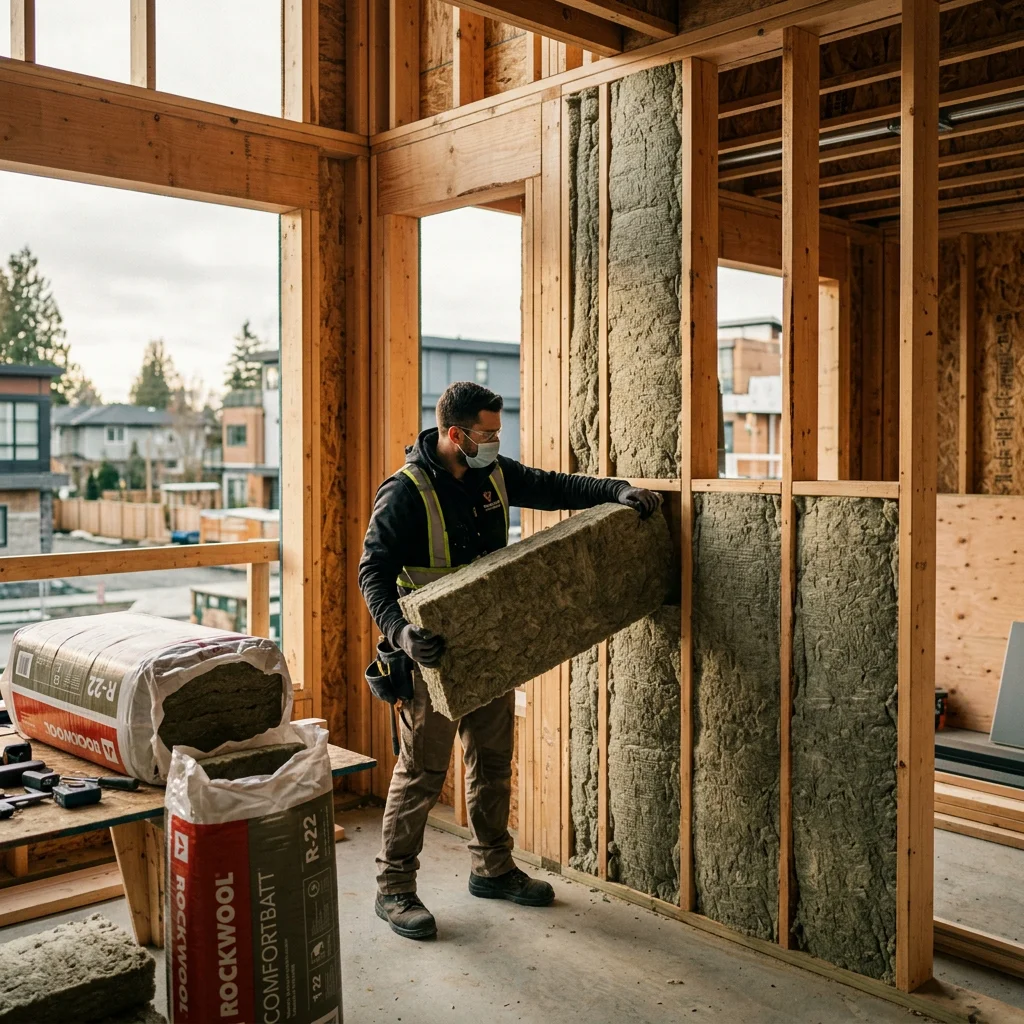
Next, inspect the exterior walls and the junctions where the addition meets the main house. A room may have open or underinsulated cavities, gaps around wiring and trim, or connections that allow hot outside air to reach the interior. Accessible air sealing should be considered before insulation hides those paths.
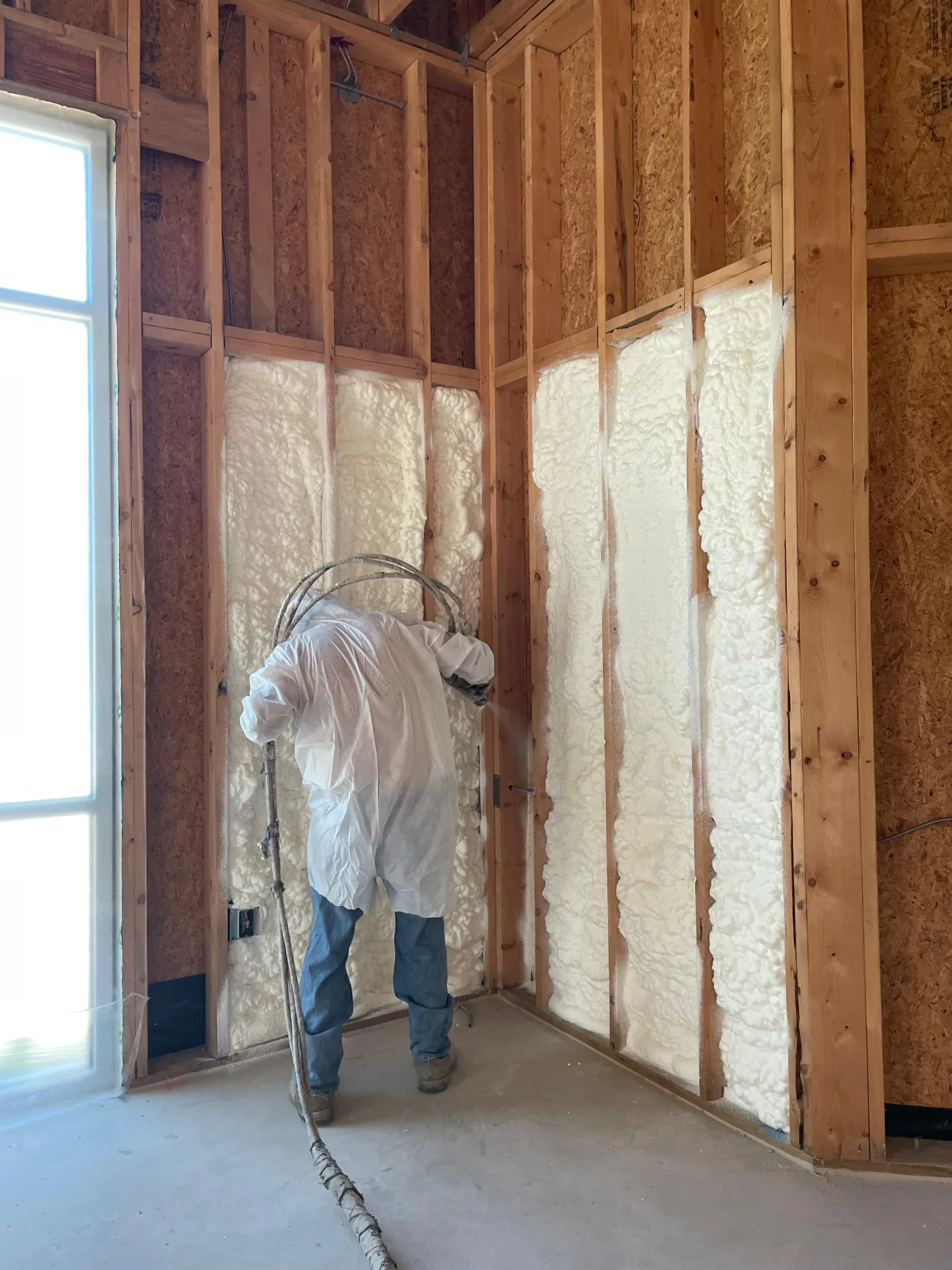
Finally, look for issues insulation should not cover. Water staining, active leaks, damaged material, pests, and unresolved ventilation conditions should be addressed first. A dry, sound assembly is the right place to decide whether wall insulation, blown-in material, or spray foam insulation is appropriate for the accessible area.
Set realistic expectations for a San Antonio sunroom
Insulation helps manage heat flow through roof, ceiling, and wall assemblies. It does not change direct sun through glass, correct undersized HVAC equipment, or resolve every design choice in a room that was not originally intended for all-day conditioned use. That is why the first step is to identify the main source of discomfort rather than adding material wherever it is easiest to reach.
For an accessible framed wall, wall insulation may be relevant. For a room under an attic, restoring the thermal layer above the ceiling may be more important. For a converted patio with exposed roof framing, the best option depends on the roof assembly and whether it can be evaluated safely. A room-by-room review prevents a generic attic top-off from being sold as a complete sunroom solution.
If your sunroom becomes the hottest room in the house during San Antonio afternoons, bring the construction details to the conversation. Insulation Pros SATX can review accessible conditions and explain the insulation options in plain language. Request a free estimate to identify what can be improved before you commit to more material.
Expert Note
Do not cover a moisture or roof problem with insulation
If the room shows active leaks, staining, dampness, or damaged material, identify and correct the cause first. New insulation performs best in a dry, sound assembly.
Questions Answered
Straight answers before you book the estimate.
It can help when heat is entering through underinsulated ceilings, roofs, or walls, or when accessible air leaks are part of the problem. The result depends on the room construction, glass exposure, HVAC setup, and other conditions.
There is no single best material for every enclosed patio. The right option depends on whether the room has an attic, open wall cavities, an exposed roofline, existing insulation, moisture conditions, and access for the work.
Often, yes. Accessible gaps around framing, wiring, plumbing, trim, and the connection to the main house can let outside air bypass insulation. Those openings are easier to evaluate before a new layer is installed.
Sunrooms can combine roof heat, direct solar gain through glass, weak wall or ceiling insulation, air leaks, and limited HVAC capacity. An inspection helps determine which factors are accessible and worth addressing first.
Sometimes. The feasibility depends on the framing, siding or interior-finish access, existing material, wiring, moisture clues, and the room’s construction. The accessible assembly should be inspected before choosing a method.
Related Routes
Build a practical sunroom comfort plan
These services help connect a hot-room complaint to the accessible insulation and air-leakage conditions behind it.
Attic Insulation
Check the thermal layer above a sunroom ceiling when attic access is available.
Learn MoreWall Insulation
Evaluate accessible exterior-wall cavities and additions that need more than attic work.
Learn MoreAir Sealing
Address reachable gaps at framing and room transitions before insulation covers them.
Learn MoreNext Step
Get a sunroom insulation estimate for your San Antonio home
Insulation Pros SATX checks accessible sunroom ceilings, roof connections, exterior walls, air leaks, and existing material for homeowners in San Antonio, Leon Springs, Bexar County, and nearby Central Texas communities. Call (210) 239-2660 or request a free estimate.
Follow our insulation guides

Related Services
Book the service behind this article
If you are reading this because there is an active issue at home, these are the most relevant Insulation Pros SATX bookings to start with.
Keep Reading
Related Articles
Garage Conversion Insulation in San Antonio: What to Check Before You Finish the Room
Attic Insulation and Indoor Humidity in San Antonio: What It Can—and Cannot—Fix
Home Office Insulation in San Antonio: What to Check When One Room Stays Hot
Need Professional Help?
Insulation Pros SATX helps homeowners across San Antonio, Bexar County, and nearby Central Texas communities with attic insulation, spray foam, blown-in insulation, radiant barrier, crawl space, and removal projects.