
Energy Savings
Does Attic Insulation Help in a San Antonio Winter? What Homeowners Should Check
San Antonio winters are short, but attic insulation still affects comfort and HVAC runtime. Learn what to check before a cold-front comfort problem becomes a larger repair.
Service Insights
Key facts that shape the recommendation.
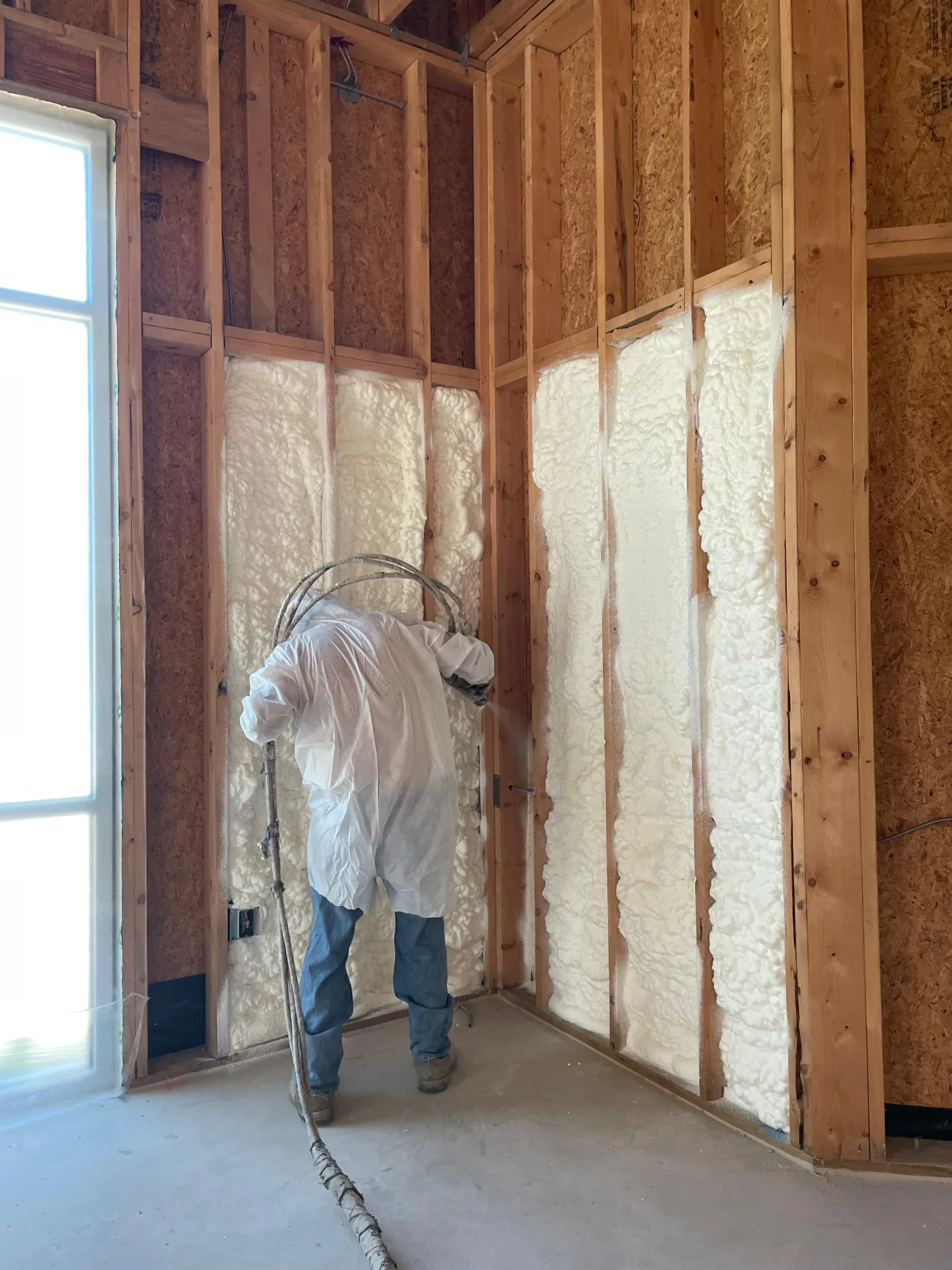
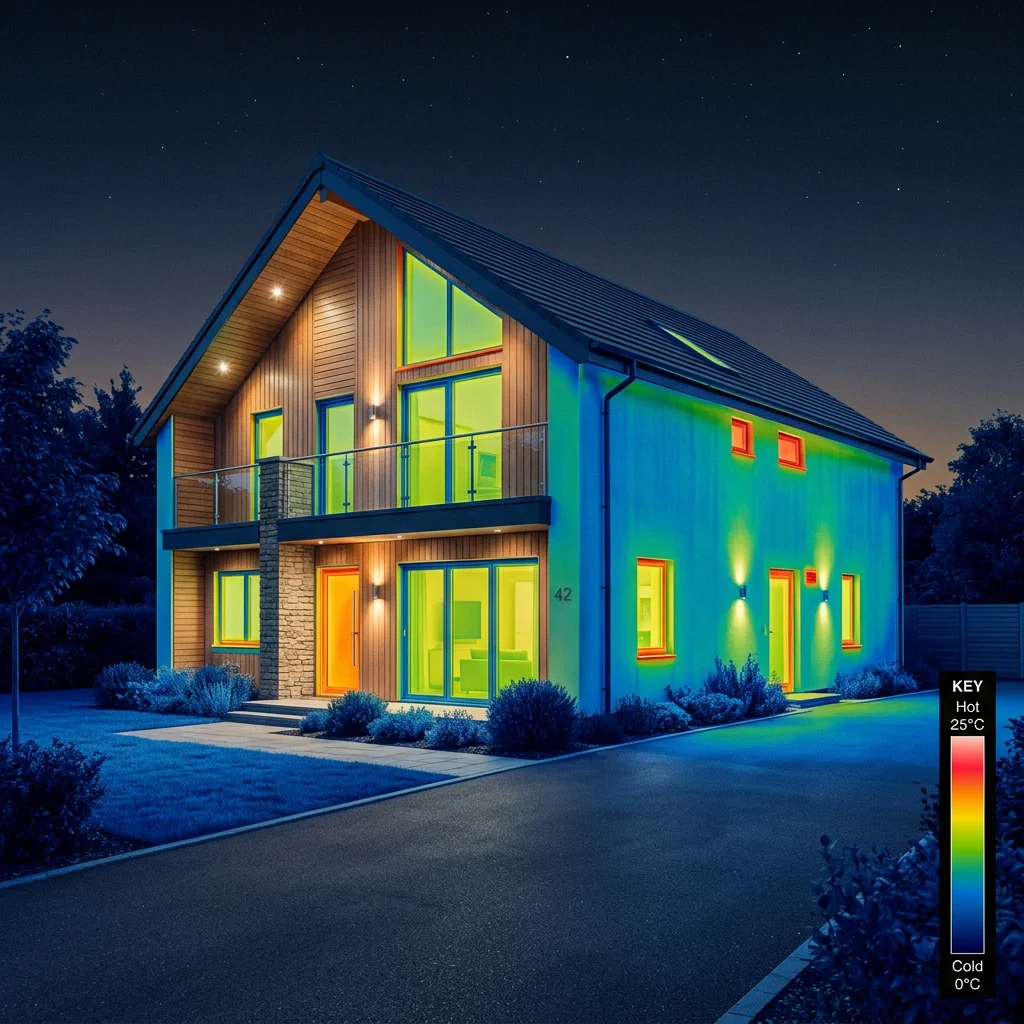
Attic insulation slows heat transfer in both directions, so a thin or uneven attic layer can contribute to cold rooms when a San Antonio front arrives.
Cold-weather comfort also depends on accessible air leaks, duct condition, windows, HVAC performance, room use, and the rest of the home envelope.
A short Texas winter is still a useful time to notice rooms that do not hold temperature, drafts near ceilings, or HVAC runtime that seems out of proportion.
The right fix starts with the actual attic condition: coverage depth, gaps, damaged material, moisture clues, ventilation details, and access.
The short answer: yes, attic insulation can help during a San Antonio winter
Winter attic insulation in San Antonio still matters, even though the region is better known for long cooling seasons than long freezes. The direct answer is that attic insulation slows heat moving out through the ceiling, which can help rooms stay more even when the heat is running during a cold front. If a bedroom feels chilly, a ceiling area feels drafty, or the system runs longer than expected, the attic is one practical place to investigate.
The same attic layer that reduces summer heat gain also helps slow winter heat loss. When existing material is thin, uneven, compressed, or pushed aside, an attic insulation review can show whether the ceiling plane is part of the complaint. That review should distinguish insulation coverage from other factors rather than promising one product will solve every cold room.
Insulation Pros SATX helps homeowners in San Antonio, Leon Springs, NW San Antonio, Bexar County, and nearby Central Texas communities evaluate accessible attic conditions in plain language. The useful result is a condition-based recommendation: what the insulation is doing now, which gaps can be reached, and whether the next step belongs in the attic or with another home system.
What to check when a San Antonio room feels cold
Start above the room if the attic is accessible. Look for low or bare areas, insulation displaced by foot traffic, compressed material, open chases, and gaps around wiring, plumbing, top plates, or the attic hatch. These details can allow air to move around the insulation layer or leave the ceiling below with less thermal protection than the rest of the house.
Then separate an attic finding from a whole-home diagnosis. A leaky window, a closed interior door, a duct issue, thermostat placement, equipment performance, or a room over an unconditioned garage can also change how a space feels. Targeted air sealing can make sense where accessible attic bypasses are actually present, but it should be tied to what can be inspected.
Also check whether the material is ready to remain. Wet, pest-damaged, heavily soiled, or contaminated insulation should not simply be covered with a fresh layer. A clear estimate explains whether the attic is ready for a top-off, needs preparation first, or has a condition that should be addressed before any new insulation is installed.
When a blown-in top-off is the practical next step
A blown-in insulation top-off can be a practical option when the attic is clean, dry, accessible, and visibly under-covered after the reachable gaps and ventilation details have been reviewed. It can rebuild more consistent coverage over the rooms below without turning a simple insulation project into an unsupported claim about every comfort issue.
If the insulation is damaged or blocks a useful inspection, removal or another corrective step may come first. For a home with strong roof heat exposure, a radiant barrier conversation can also be relevant, but it serves a different purpose than rebuilding the insulation layer.
If a cold front exposes a room that cannot keep up, request a free estimate that connects the attic facts to the actual complaint. That gives you a practical place to start before the next seasonal swing makes the house uncomfortable again.
Expert Note
A cold room does not automatically mean you need more insulation
Attic coverage is an important check, but comfort can also be affected by ducts, windows, equipment, air paths, and the room’s location. A useful assessment identifies the visible conditions before recommending a scope.
Questions Answered
Straight answers before you book the estimate.
Yes. Attic insulation slows heat transfer through the ceiling, which can help rooms retain conditioned heat when cold fronts arrive. The actual result also depends on air leaks, ducts, windows, HVAC performance, and the rest of the home.
A cold room can involve low or uneven attic insulation, attic air leaks, duct or airflow issues, windows, room location, or a space over an unconditioned garage. An inspection helps separate those factors.
When accessible gaps are present, air sealing is often easier before new loose-fill insulation covers the attic floor. The right sequence depends on the visible conditions and access.
It can often be added when the attic is clean, dry, accessible, and the existing material is suitable to remain. Moisture, pest damage, contamination, and other material problems should be addressed first.
No. Insulation can improve heat transfer when the attic layer is low or uneven, but it does not replace an evaluation of ducts, HVAC operation, windows, air leaks, and other room-specific conditions.
Related Routes
Plan the attic work that supports winter comfort
These services help turn a cold-weather comfort complaint into a practical attic plan.
Attic Insulation
Review coverage and condition above the rooms that feel cold when a front moves through.
Learn MoreAir Sealing
Address accessible attic bypasses before a new insulation layer covers them.
Learn MoreBlown-In Insulation
Restore more even attic coverage when the existing material and attic floor are ready.
Learn MoreNext Step
Get a winter attic insulation estimate for your San Antonio home
Insulation Pros SATX checks attic coverage, accessible air leaks, existing material, and comfort concerns for homeowners in San Antonio, Leon Springs, Bexar County, and nearby Central Texas communities. Call (210) 239-2660 or request a free estimate.
Follow our insulation guides

Related Services
Book the service behind this article
If you are reading this because there is an active issue at home, these are the most relevant Insulation Pros SATX bookings to start with.
Keep Reading
Related Articles
Attic Insulation After an AC Replacement in San Antonio: What to Check
Radiant Barrier vs. Spray Foam in San Antonio Attics: Which Heat Fix Fits?
Ductwork in Hot San Antonio Attics: Insulation Checks That Protect Comfort
Need Professional Help?
Insulation Pros SATX helps homeowners across San Antonio, Bexar County, and nearby Central Texas communities with attic insulation, spray foam, blown-in insulation, radiant barrier, crawl space, and removal projects.