
Energy Savings
Attic Insulation After an AC Replacement in San Antonio: What to Check
A new AC may still struggle if the attic is thin, leaky, or uneven. San Antonio homeowners should check insulation depth, air leaks, and duct conditions before assuming the system is undersized.

Service Insights
Key facts that shape the recommendation.
A new AC can still run too long if the attic insulation layer is thin, patchy, or disturbed.
San Antonio attic heat can push more load onto the HVAC system when ceiling insulation is underperforming.
Air leaks, duct exposure, attic depth, and room-by-room comfort should be checked before assuming the new system is the issue.
The right insulation scope depends on attic condition, not just the age or size of the AC equipment.
The short answer: check the attic before blaming the new AC
Attic insulation after an AC replacement in San Antonio matters because a new system cannot fix every heat problem above the ceiling. The direct answer: if attic insulation is too thin, uneven, or full of air leaks, the new AC may still run longer than expected during Texas heat. Before assuming the system was sized wrong, check the attic plane, duct exposure, insulation depth, and hot-room patterns together.
This is common in San Antonio, Bexar County, NW San Antonio, Leon Springs, Helotes, Stone Oak, and Alamo Ranch because attic heat can sit over the living space for hours. A fresh AC installation may improve capacity, but weak attic insulation can still let heat push into bedrooms, halls, and upstairs rooms. That is why an attic check belongs in the same conversation as HVAC runtime.
The goal is not to sell insulation just because a homeowner bought a new AC. The goal is to find whether the attic is making the equipment work harder than it should. If it is, the solution may be insulation depth, air sealing insulation, duct-area attention, or a combination.
What to inspect after the HVAC work is done
Start with attic insulation depth and coverage. Look for thin areas, bare ceiling spots, compressed material, disturbed sections near equipment paths, and places where insulation no longer covers the rooms below evenly. If a contractor or technician moved through the attic during the AC replacement, some areas may need to be reset before a top-off is considered.
Then check attic bypasses and duct conditions. Air leaks around chases, attic hatches, wiring penetrations, and top plates can move heat and conditioned air where it does not belong. If ductwork sits in a hot attic, insulation performance around the ceiling plane matters even more because the HVAC system is already fighting a tough environment.
A clean but low attic may be a good candidate for blown-in insulation after air sealing. A damaged or contaminated attic may need insulation removal before rebuilding the layer. The inspection should make that distinction clear before the homeowner spends more money.
When insulation changes the comfort plan
Insulation changes the comfort plan when rooms still feel hot after the new AC is running correctly. That can show up as long afternoon runtime, warm bedrooms, uneven temperatures, or energy bills that do not respond the way the homeowner expected. In those cases, the attic may be letting too much heat reach the living space.
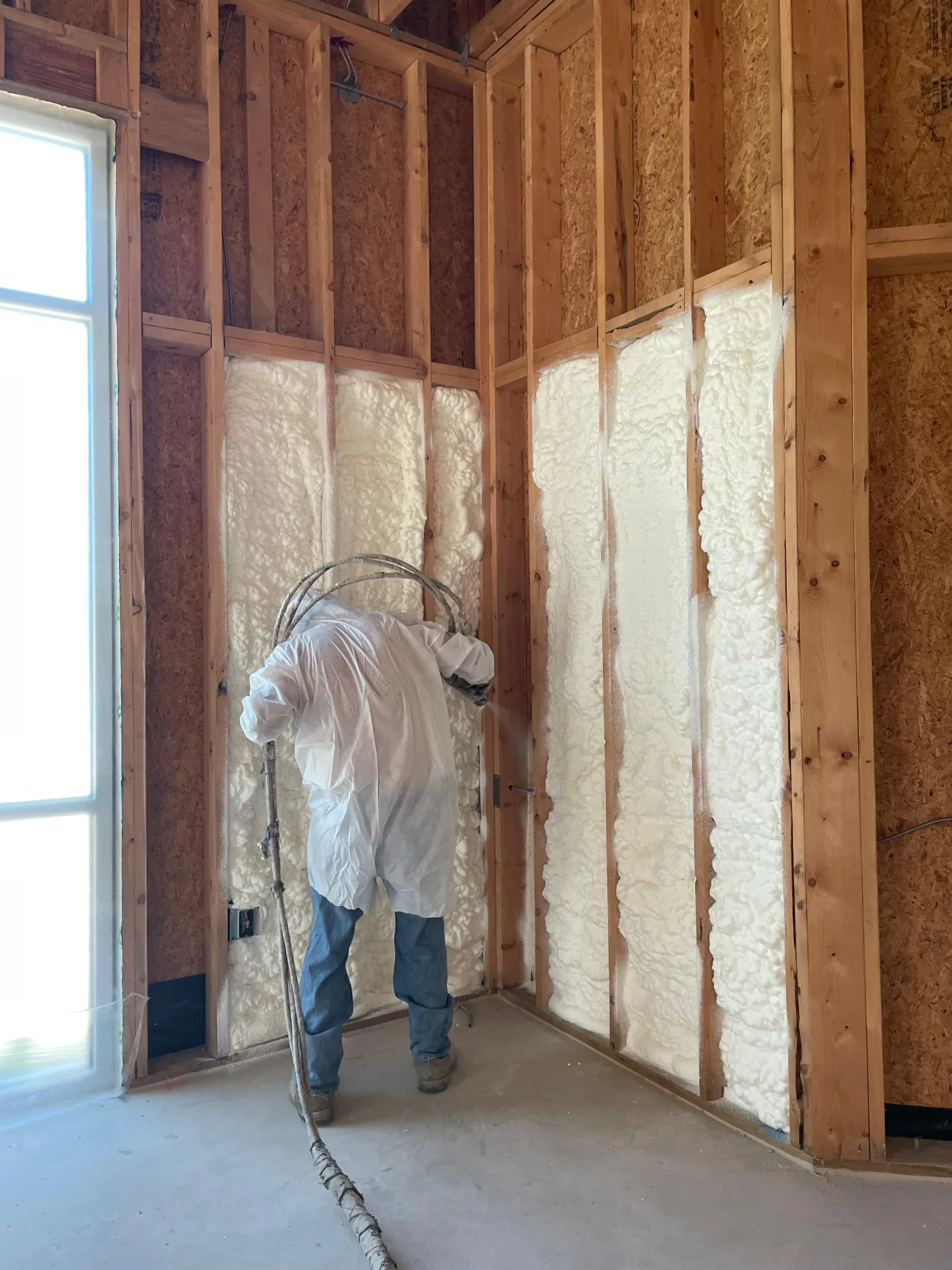
The repair sequence should be practical. Measure what is there, seal the obvious attic bypasses, protect ventilation paths, and restore coverage where the attic floor is thin or disturbed. Some homes may also need a conversation about spray foam insulation if the attic assembly or room problem calls for a different approach.
If your new AC still runs hard in a San Antonio home, Insulation Pros SATX can inspect attic insulation depth, air leaks, duct-area conditions, and room comfort patterns before recommending a scope. That gives you a better answer than guessing whether the problem is equipment, insulation, or both. Start with a free estimate before paying for another comfort fix.
Expert Note
Do not upsize by guesswork
If a new AC still runs all afternoon, inspect attic insulation and air leaks before assuming the next answer is more equipment.
Questions Answered
Straight answers before you book the estimate.
Yes. If the attic insulation is thin, uneven, or disturbed, the new AC may still run longer than expected in San Antonio heat.
Possible causes include attic heat gain, low insulation depth, air leaks, duct exposure, thermostat settings, equipment setup, or room-specific heat load. The attic is one of the first places to inspect.
Better attic insulation can reduce heat transfer through the ceiling, which may help the HVAC system maintain comfort with less strain when other system conditions are correct.
Sometimes. Attic access, duct work, platform work, or equipment paths can compress or move insulation. A post-install attic check can identify disturbed areas.
It should include insulation depth, bare or compressed areas, air leaks, attic hatch condition, duct exposure, ventilation paths, and whether the home needs a top-off, air sealing, removal, or no insulation work.
Related Routes
Pair HVAC comfort with attic performance
These services help determine whether the attic is making the new AC work harder.
Next Step
Get the attic checked after your AC upgrade
Insulation Pros SATX inspects attic insulation depth, air leaks, duct-area conditions, and hot-room patterns for homeowners across San Antonio, Bexar County, Leon Springs, Helotes, Stone Oak, Alamo Ranch, Boerne, and nearby Central Texas communities. Call (210) 239-2660 or request a free estimate.
Follow our insulation guides

Related Services
Book the service behind this article
If you are reading this because there is an active issue at home, these are the most relevant Insulation Pros SATX bookings to start with.
Keep Reading
Related Articles
Does Attic Insulation Help in a San Antonio Winter? What Homeowners Should Check
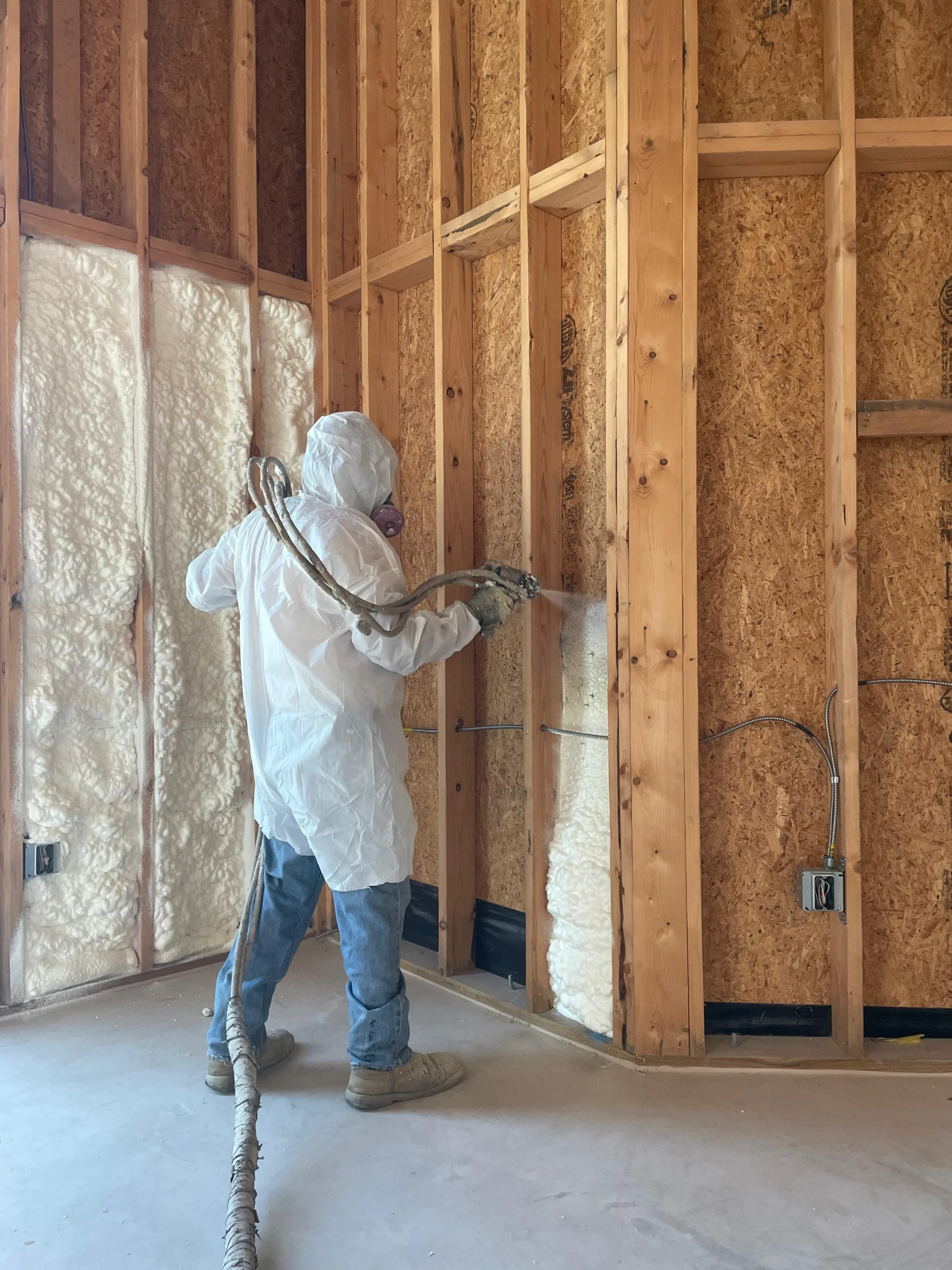
Radiant Barrier vs. Spray Foam in San Antonio Attics: Which Heat Fix Fits?
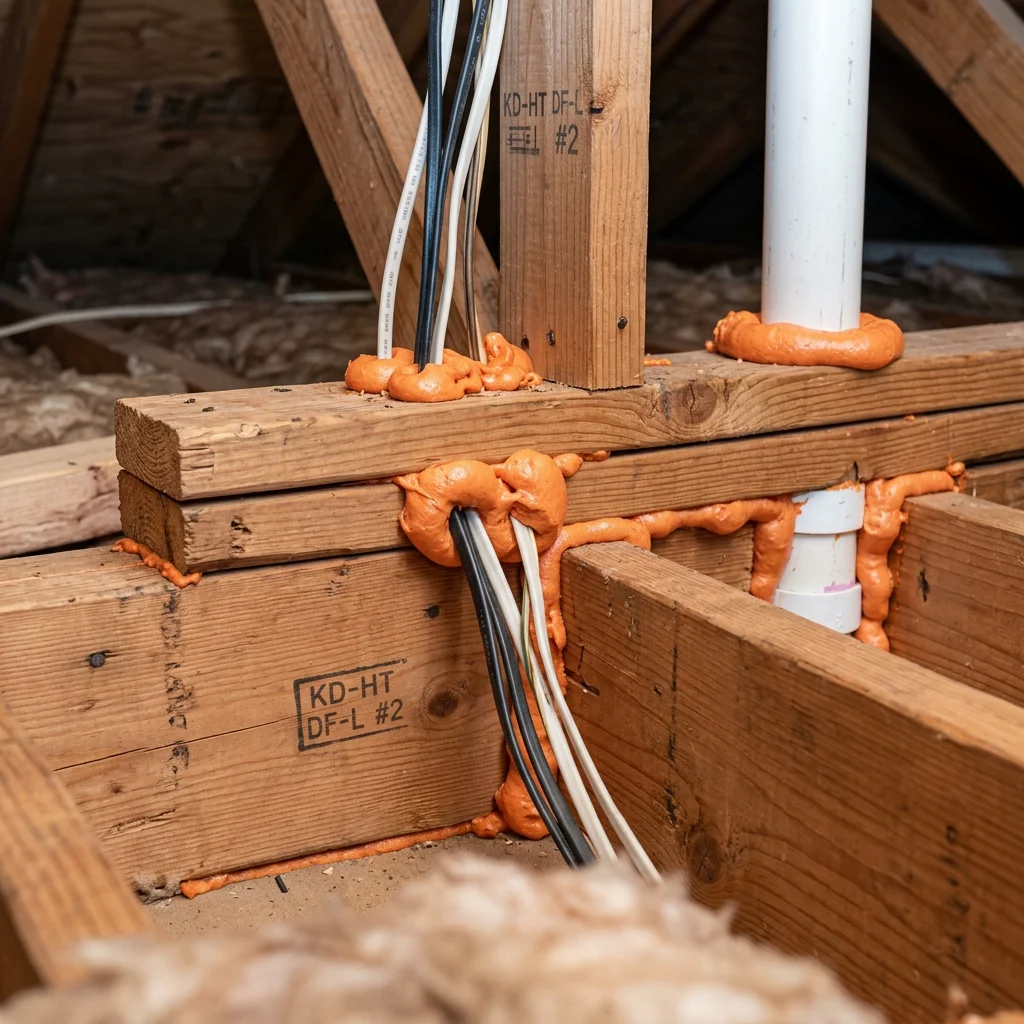
Ductwork in Hot San Antonio Attics: Insulation Checks That Protect Comfort
Need Professional Help?
Insulation Pros SATX helps homeowners across San Antonio, Bexar County, and nearby Central Texas communities with attic insulation, spray foam, blown-in insulation, radiant barrier, crawl space, and removal projects.