
Attic Insulation
Attic Fan vs. Insulation in San Antonio: What Actually Helps a Hot House?
An attic fan can move air, but it does not replace a complete insulation and air-sealing plan. See what San Antonio homeowners should check before choosing a heat fix.
Service Insights
Key facts that shape the recommendation.
An attic fan moves attic air, while insulation slows heat flow between the attic and the living space; they solve different parts of a comfort problem.
In San Antonio heat, low or uneven attic insulation can let ceiling heat affect rooms and increase how long the HVAC system needs to run.
Before adding equipment, inspect attic coverage, accessible air leaks, duct conditions, roof ventilation details, and the specific rooms that feel uncomfortable.
The right next step may be an attic insulation upgrade, air sealing, ventilation work by the appropriate trade, or a coordinated plan instead of one quick fix.
The short answer: an attic fan is not a substitute for insulation
When a San Antonio home feels hot in the afternoon, an attic fan can sound like the obvious answer. It is not a replacement for a complete attic insulation plan. An attic fan is intended to move attic air. Insulation is the layer that helps slow heat transfer from that hot attic toward the rooms below. If the ceiling insulation is thin, settled, uneven, or bypassed by gaps, moving air overhead does not automatically correct the weak thermal boundary. Start with the home complaint: which rooms get hot, when the problem appears, whether the AC runs longer, and what the attic looks like above those rooms.
San Antonio attics take prolonged roof heat for much of the year. That makes it especially important to separate an attic-temperature concern from a living-space comfort concern. A practical evaluation connects the attic condition to insulation depth, coverage, air leakage, ducts, roof ventilation, and the way the house is used—not just to one piece of equipment.
Insulation Pros SATX serves San Antonio, Leon Springs, NW San Antonio, Bexar County, and nearby Central Texas communities with homeowner-first attic guidance. The goal is a clear scope that addresses the conditions you can inspect, not a blanket promise that a fan or a new layer alone will fix every hot room.
What to inspect before choosing an attic fan or insulation upgrade
Begin with the insulation layer. Look for areas that appear low, compressed, disturbed, or missing around attic access points, recessed fixtures, duct runs, and the edges of the attic floor. A targeted attic insulation inspection can identify whether the material is providing even coverage and whether a top-off is appropriate for the assembly.
Next, check accessible bypasses before covering them. Openings around wiring, plumbing, framing transitions, and other penetrations can allow attic air to reach the conditioned space. Thoughtful air sealing supports insulation performance because it addresses larger leakage paths instead of leaving them beneath a fresh layer.
Then consider the whole attic. Ducts in a hot attic, roof and soffit ventilation details, moisture clues, roof repairs, and the layout of the home can change the recommendation. If an attic fan is being considered, make sure its installation and electrical requirements are evaluated by the appropriate qualified professional. An insulation inspection still matters because ventilation equipment does not establish the R-value or coverage the ceiling needs.
A better decision path for a hot San Antonio house
Do not judge the attic only by how hot it feels when you climb through the hatch. Attics are expected to be hot in Texas summer conditions; the homeowner question is whether heat and outside air are getting through the home envelope in ways that affect comfort and HVAC runtime. That is why insulation coverage and accessible air leaks should be part of the first conversation.
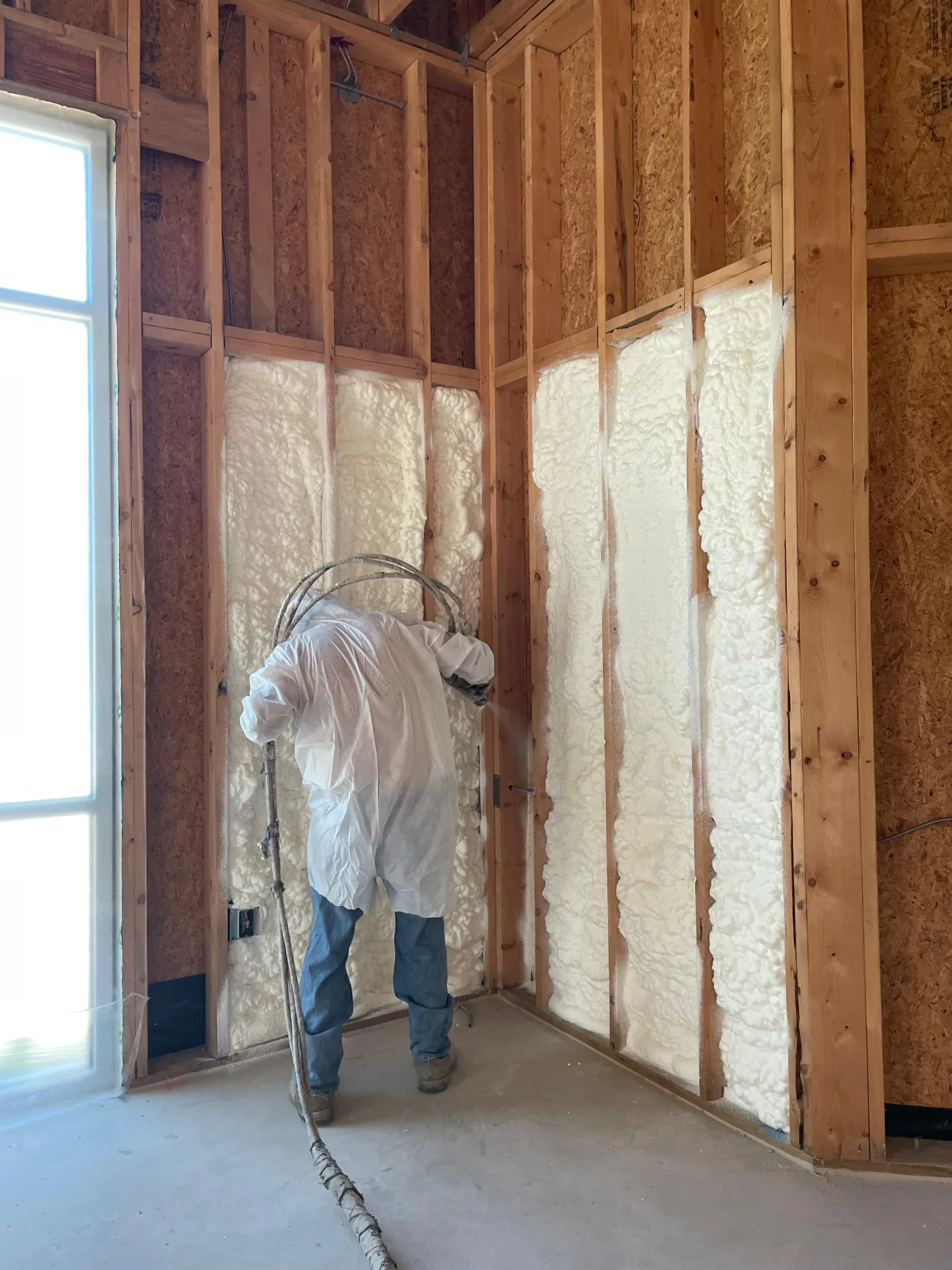
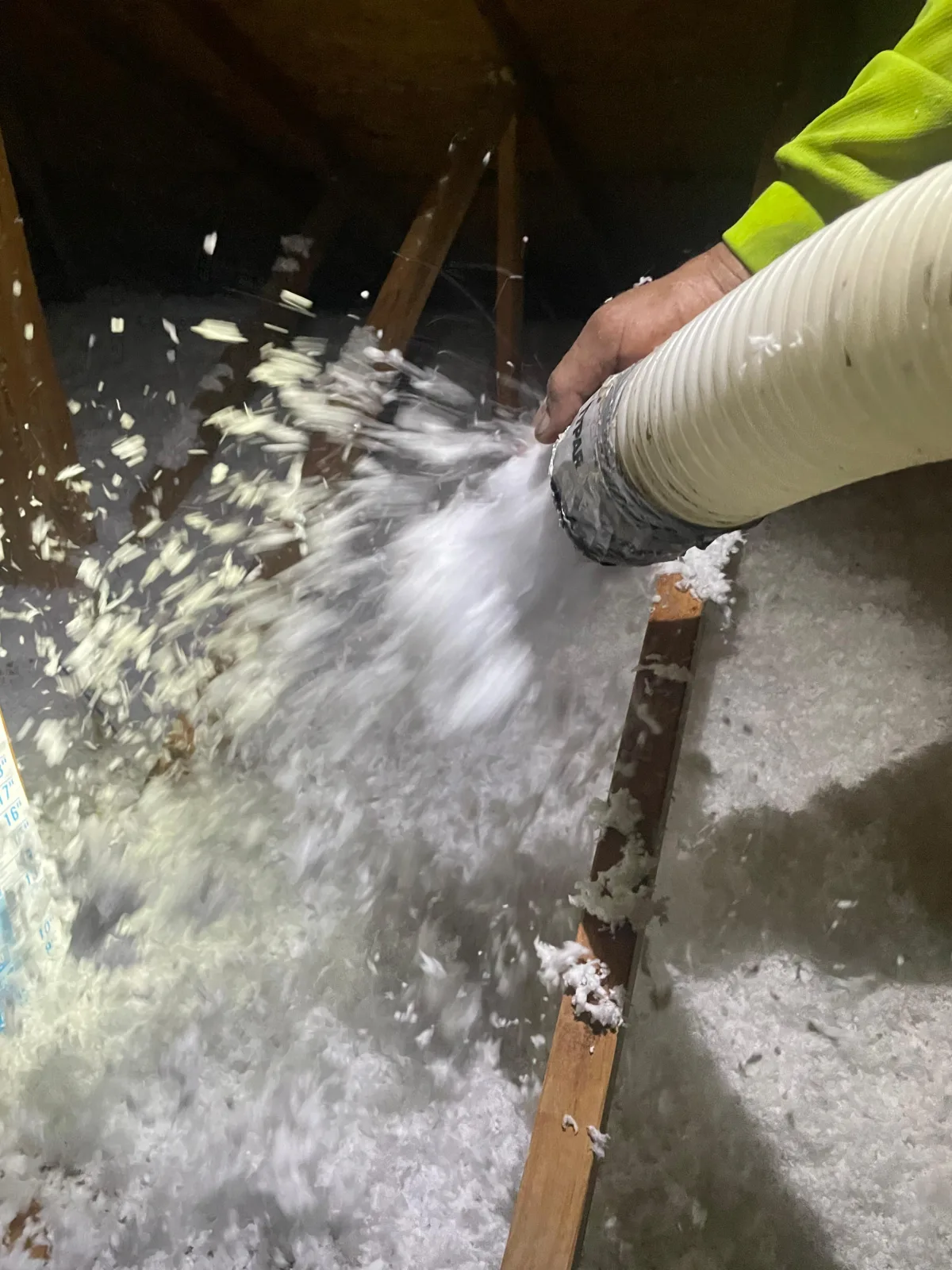
If the insulation is clean but incomplete or below the needed depth, blown-in material can be a practical way to restore even coverage in an accessible attic. If the issue is an exposed roofline, wall cavity, or a hard-to-seal assembly, spray foam insulation may be worth comparing as part of a broader plan. The right material depends on access, the assembly, existing insulation, moisture conditions, and the comfort goal.
For a San Antonio home that stays hot, ask for an attic assessment before treating the symptom. Insulation Pros SATX can review attic coverage, accessible gaps, existing material, and the services that fit the conditions. Request a free estimate to turn a vague hot-house complaint into a practical next step.
Expert Note
Treat the ceiling plane as the comfort boundary
A hot attic is normal in San Antonio summer. The key question is whether insulation and accessible air sealing are keeping that heat from affecting the rooms below.
Questions Answered
Straight answers before you book the estimate.
They do different jobs. An attic fan moves attic air, while insulation helps slow heat flow through the ceiling. If attic insulation is low, uneven, or bypassed by air leaks, an insulation and air-sealing inspection is usually the better starting point for an indoor comfort complaint.
No. An attic fan does not create insulation depth or R-value at the ceiling plane. It should not be treated as a replacement for a properly evaluated insulation layer.
The problem may involve low or uneven insulation, accessible air leaks, ducts in the attic, solar exposure, equipment performance, or more than one condition. Looking at the attic as a system helps identify the right next step.
Often, yes. Sealing accessible gaps around penetrations and framing before insulation is added can help prevent attic air from bypassing the insulation layer.
Yes. Insulation Pros SATX helps homeowners in San Antonio, Leon Springs, NW San Antonio, Bexar County, and nearby Central Texas communities evaluate attic insulation, air sealing, blown-in insulation, spray foam, radiant barriers, crawl spaces, and removal needs.
Related Routes
Start with the attic conditions that affect comfort
These services help connect a hot-house complaint to the parts of the attic that can be evaluated and improved.
Attic Insulation
Check coverage, depth, and the condition of the thermal layer above your ceilings.
Learn MoreAir Sealing
Address accessible gaps that let hot attic air bypass the insulation layer.
Learn MoreSpray Foam Insulation
Compare spray foam where the accessible assembly needs insulation and air sealing together.
Learn MoreNext Step
Get clear attic guidance for your San Antonio home
Insulation Pros SATX checks accessible attic coverage, air leaks, existing material, and the right next step for homeowners in San Antonio, Leon Springs, Bexar County, and nearby Central Texas communities. Call (210) 239-2660 or request a free estimate.
Follow our insulation guides

Related Services
Book the service behind this article
If you are reading this because there is an active issue at home, these are the most relevant Insulation Pros SATX bookings to start with.
Keep Reading
Related Articles
Attic Insulation Around Solar Panels in San Antonio: What to Check Before and After Roof Work
Can You Add Attic Insulation in Summer? A San Antonio Homeowner Guide
Shavano Park Attic Insulation: What to Check When Upstairs Rooms Stay Warm
Need Professional Help?
Insulation Pros SATX helps homeowners across San Antonio, Bexar County, and nearby Central Texas communities with attic insulation, spray foam, blown-in insulation, radiant barrier, crawl space, and removal projects.