
Insulation Guides
Dropped Soffit Insulation in San Antonio: What to Check Above Kitchen Cabinets
A boxed-in ceiling above kitchen cabinets can hide an opening to a hot attic. Learn when the cavity needs a sealed cap, how it ties into attic insulation, and what to ask before adding more material.
Service Insights
Key facts that shape the recommendation.
An interior soffit is the boxed-in area above cabinets or a lowered ceiling.
An uncapped soffit can leave a path between a vented attic and the ceiling below.
Close and seal the opening before restoring insulation over it.
Exterior soffit vents serve a different purpose and should stay clear in a vented attic.
Does the soffit open into the attic?
If a dropped kitchen soffit opens into a vented attic, the usual repair is to install a solid, sealed cap at the attic-floor level and restore insulation over it. If the soffit already has a continuous cap with sealed edges, the work may only involve repairing thin or missing coverage. The deciding detail is above the ceiling, where you usually cannot see it from the kitchen.
On a hot San Antonio afternoon, the attic above a kitchen can be much warmer than the living space. An open cavity lets attic air move into the boxed-in space and exposes more ceiling or wall surface to attic temperatures. One warm strip near the cabinets is a clue, but cooking, sun through a window and duct airflow can produce similar symptoms. Use the room location to guide an inspection rather than diagnosing the opening from the temperature alone.
What should an attic inspection show?
Point out the drop from inside the room and ask the inspector to find the same footprint from the attic. A photo should show whether framing is open, whether a cap is already present, and where wiring, lights or ductwork cross the area. Insulation can hide the edges of the opening. A depth reading taken several feet away tells you little about whether the air barrier is continuous here.
Check for moisture damage and identify fixtures before specifying materials. A boxed area can contain a range hood duct or electrical connections, so ask what must stay accessible and what clearances apply. If there is staining from a leak, resolve the source before enclosing the area. The Building America guide to dropped ceilings illustrates how the solid barrier and insulation fit together.
What should the repair include before a top-off?
Ask for a scope that names the area to close, how the cap will be supported, and how its edges and compatible penetrations will be sealed. The insulation should meet the cap and continue into the adjoining attic-floor coverage. Blown-in material can restore the thermal layer once the opening is closed, but piling it into an open cavity does not create a reliable air barrier.
Get one photo of the sealed cap before it is covered and another of the finished insulation. If a Northwest San Antonio home already has good coverage elsewhere, that evidence helps you compare a targeted repair against a full attic top-off. Ask whether nearby ceiling drops were checked and whether the estimate separates this repair from work on the rest of the attic.
Expert Note
Show the inspector the kitchen first
A photo of the cabinet run from below makes it easier to match the dropped ceiling to its location in the attic.
Questions Answered
Straight answers before you book the estimate.
No. A kitchen soffit hides space above the cabinets. An exterior soffit vent lets outdoor air into a vented attic at the eaves.
No. Check where the air and thermal boundaries already run. This repair applies when the dropped section is open to an unconditioned attic and the boundary belongs at the ceiling.
Loose-fill insulation slows heat transfer but does not provide the solid, sealed air barrier an open cavity needs.
If the opening is accessible from the attic, the work can often be scoped from above. Obstructions and the condition of the framing determine access.
It may reduce unwanted heat gain if the cavity is a significant bypass. The effect on your bill depends on the rest of the house, HVAC operation and weather.
Related Routes
Plan the attic repair
Next Step
Find out what is above your kitchen ceiling
Tell us where the ceiling drops and which part of the room feels warm. Ask for an estimate that spells out what needs sealing and insulating.
Follow our insulation guides

Related Services
Book the service behind this article
If you are reading this because there is an active issue at home, these are the most relevant Insulation Pros SATX bookings to start with.
Keep Reading
Related Articles
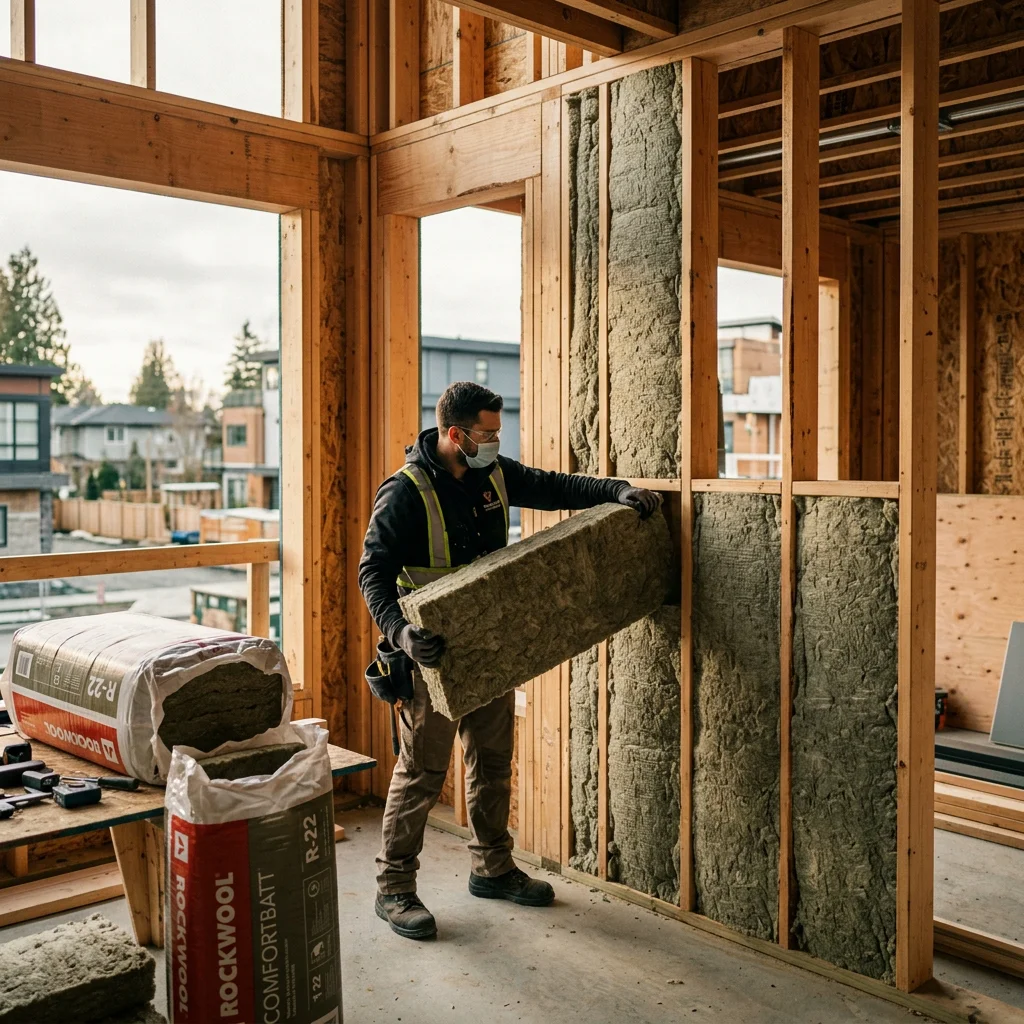
Replacing Siding in San Antonio? When to Add Exterior Wall Insulation
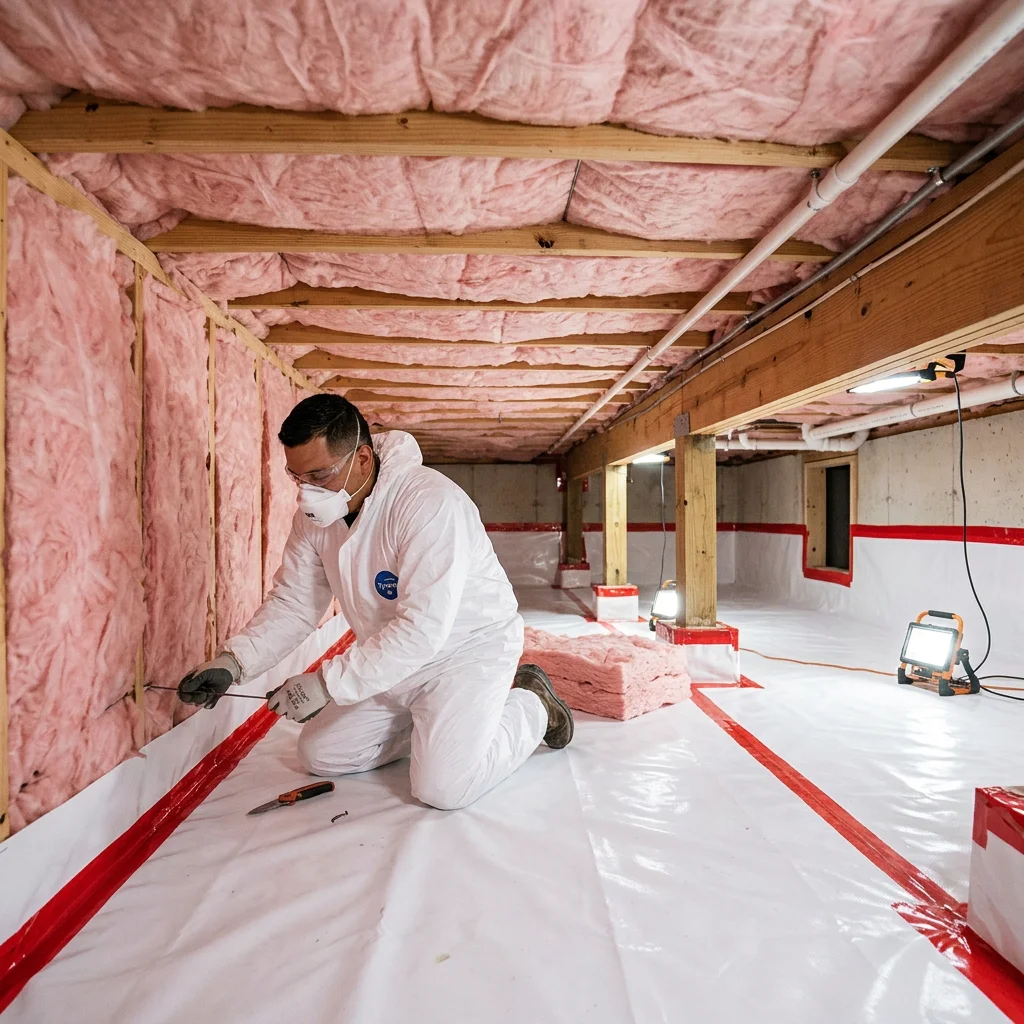
Cantilevered Floor Insulation: Why Your San Antonio Bay Window Feels Drafty
Does Spray Foam Need a Thermal Barrier? A San Antonio Homeowner Guide
Need Professional Help?
Insulation Pros SATX helps homeowners across San Antonio, Bexar County, and nearby Central Texas communities with attic insulation, spray foam, blown-in insulation, radiant barrier, crawl space, and removal projects.