
Garage Insulation
Detached Garage Insulation in San Antonio: When It Makes Sense for a Workshop
A detached San Antonio garage or workshop can be uncomfortable because of roof heat, wall gaps, air leakage, and its intended use. Learn what to check before insulating the space.
Service Insights
Key facts that shape the recommendation.
A detached garage needs a different insulation conversation from an attached garage or a finished room because it may not be part of the home’s conditioned envelope.
Roof heat, uninsulated walls, large door gaps, air leakage, sun exposure, and how the space will be used all affect whether insulation is a practical upgrade.
Insulation can slow heat flow through an accessible roof, ceiling, or wall assembly, but it does not by itself provide cooling, fix an active leak, or make an unconditioned space perform like a finished room.
Before choosing material, check the construction, access, moisture clues, electrical and mechanical plans, and whether the garage will remain a storage area, workshop, or future finished space.
The short answer: detached garage insulation makes sense when it fits the building and the way you use it
Detached garage insulation in San Antonio can be worthwhile when roof heat, exposed walls, or accessible air leaks make a workshop, hobby space, or storage area hard to use. The direct answer is that insulation can reduce heat transfer through an accessible assembly, but the benefit depends on whether the garage is conditioned, how much direct sun it receives, the type of roof and walls, and the purpose of the space. A detached building should not be treated like a finished bedroom simply because insulation is added.
Many San Antonio garages and workshops sit in direct afternoon sun and have wide doors, exposed rooflines, minimal wall coverage, and gaps at penetrations or framing. Those conditions can make the space uncomfortable long before the main house has a problem. They also mean that the best first step may be a targeted assessment of the roof or ceiling, exterior walls, and accessible air paths rather than filling every cavity without a plan.
Insulation Pros SATX helps homeowners in San Antonio, Leon Springs, Bexar County, and nearby Central Texas communities evaluate accessible insulation conditions. For a detached garage, the conversation should stay practical: what part of the space you want to improve, which assemblies can be reached safely, and what insulation can realistically contribute to comfort and HVAC planning. That keeps the scope tied to the building rather than to a generic product pitch.
What to inspect before insulating a detached garage or workshop
First, identify the thermal boundary. Does the garage have a framed ceiling with attic space above it, an exposed roof deck, open wall cavities, or finished walls that limit access? A standard ceiling below an accessible attic may call for a different approach from a vaulted workshop roof or a metal-framed outbuilding. The right plan begins with the actual assembly, not with an assumption that every garage can be insulated the same way.
Next, look for accessible gaps and conditions that new material should not hide. Plumbing or electrical penetrations, framing joints, door connections, staining, dampness, pests, and damaged materials all matter. Targeted air sealing can be useful where larger accessible bypasses are part of the problem, but active leaks or moisture causes should be corrected before insulation is installed. A dry, sound assembly gives new material a better chance to perform as intended.
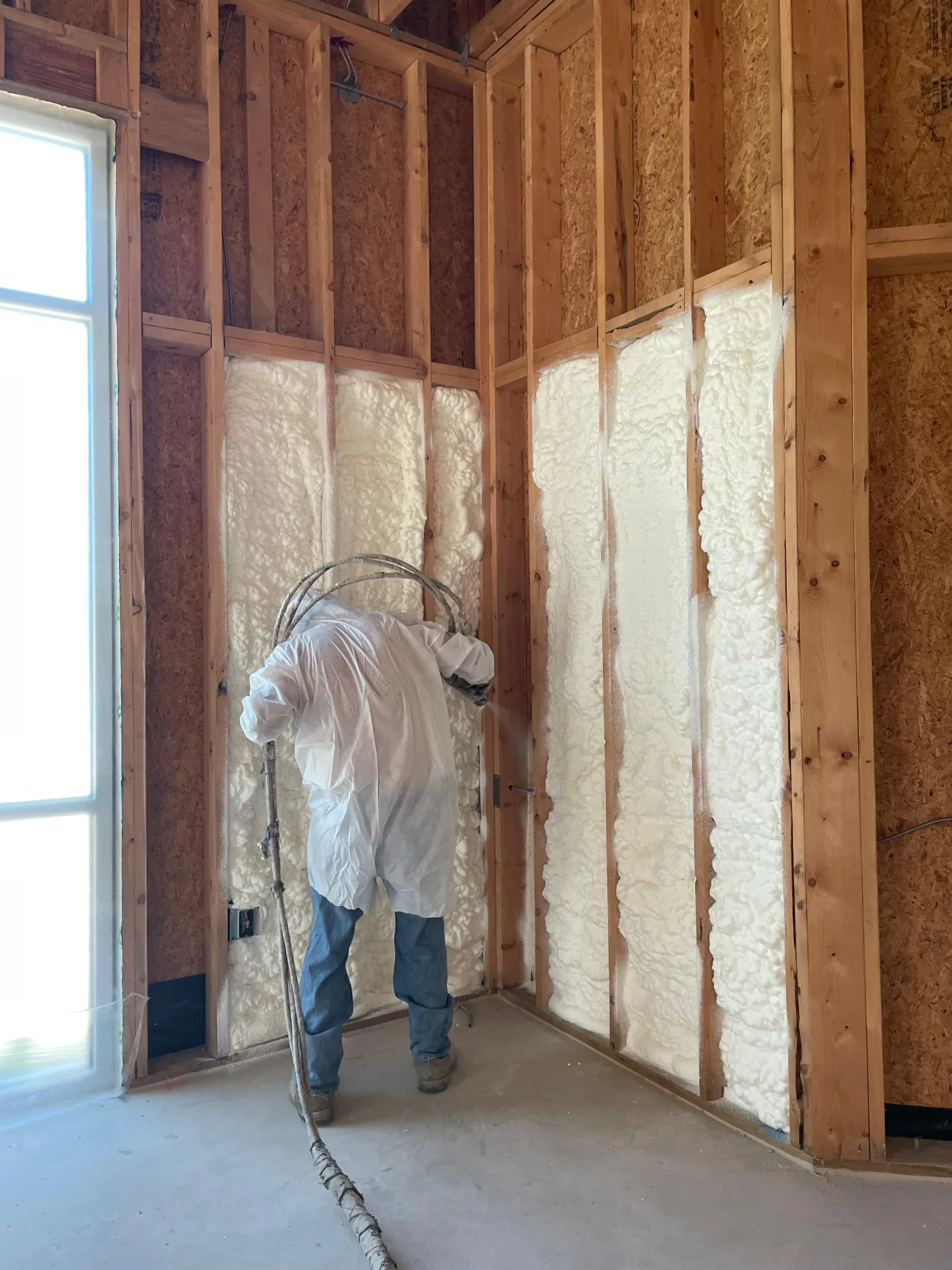
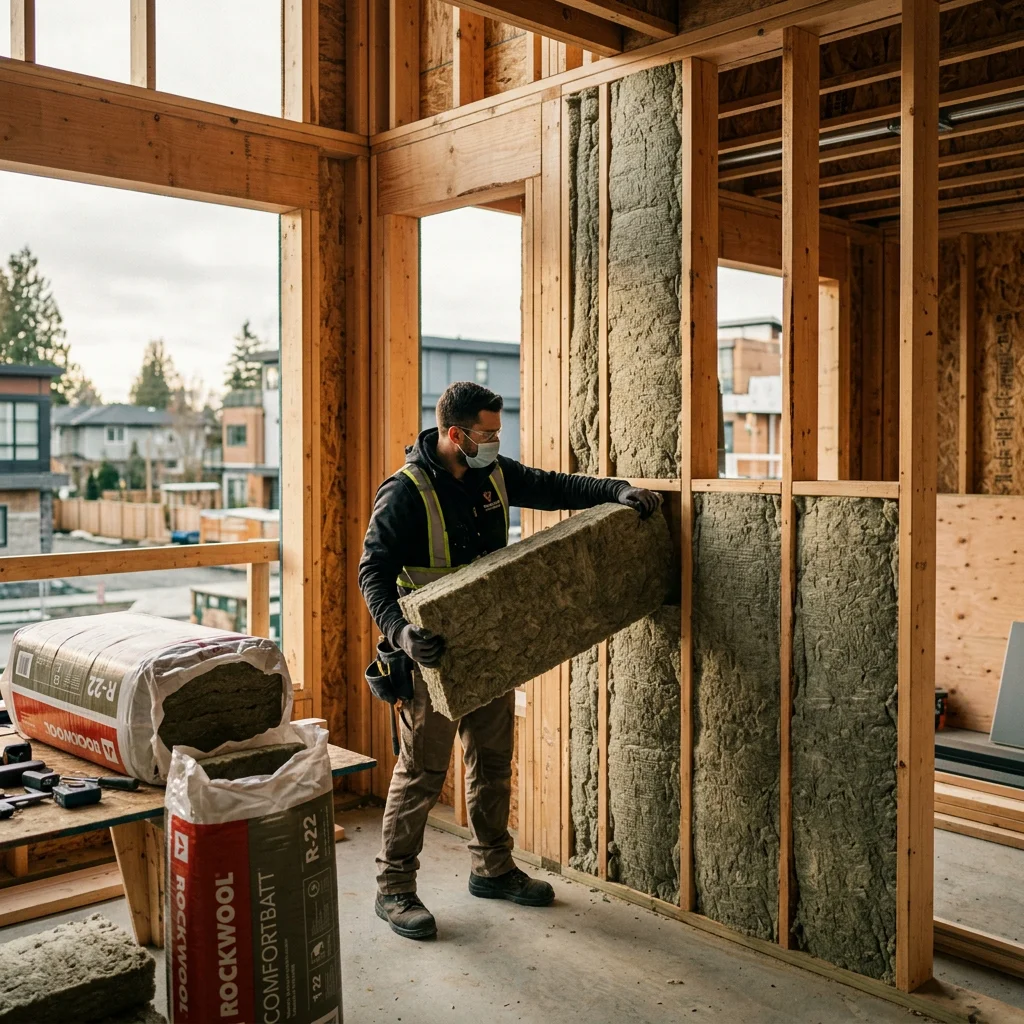
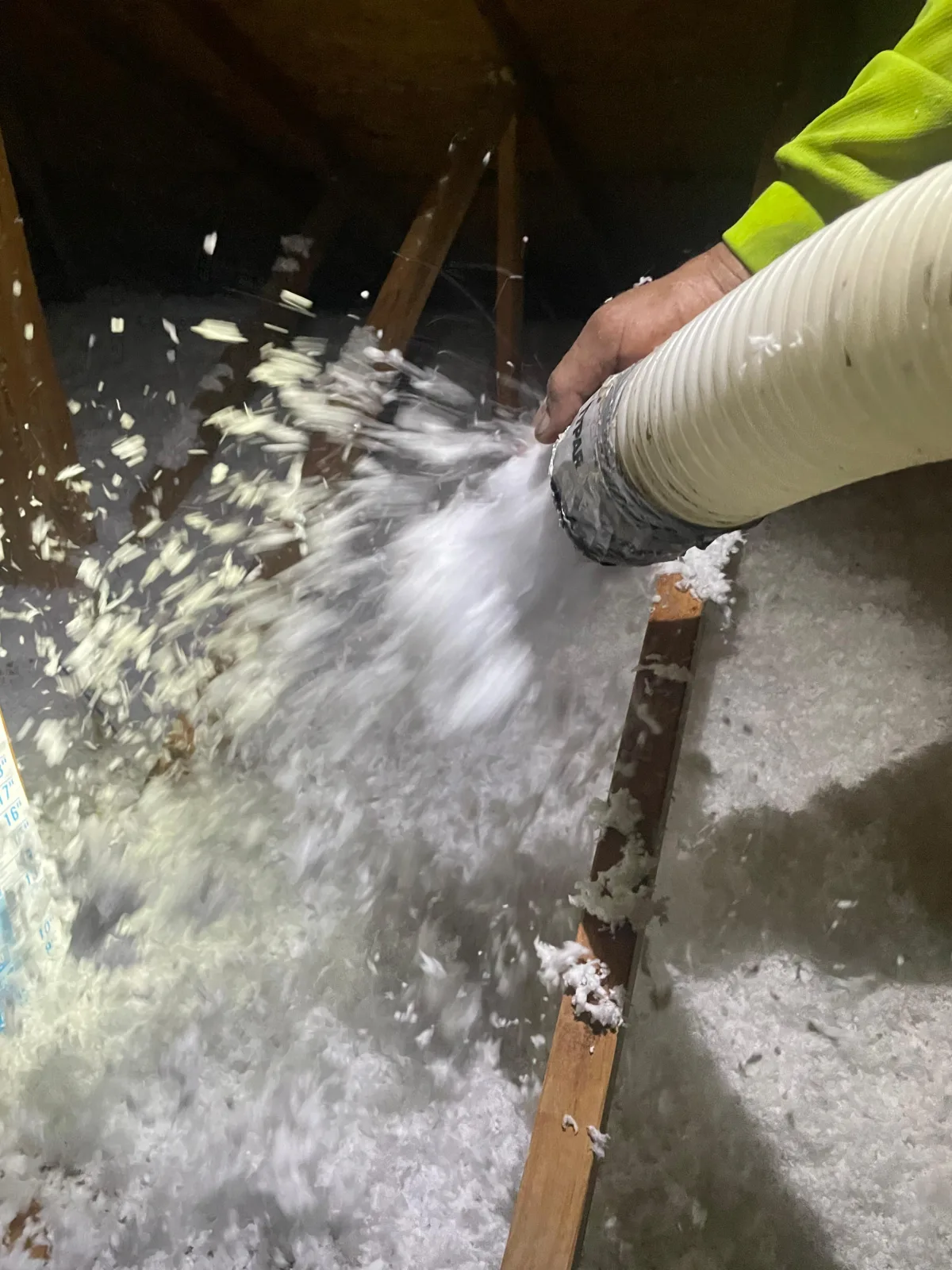
Then match the material to the access and use case. Accessible wall cavities may lead to a wall insulation discussion, while an exposed roofline or hard-to-seal area may call for comparing spray foam insulation with other approaches. If the garage has a standard attic floor, the attic insulation layer above the ceiling may matter more than the visible roof deck. Any electrical, mechanical, ventilation, or conditioning changes should be planned with the appropriate qualified trade.
Set the right comfort expectations for a San Antonio garage
Insulation slows heat flow; it does not create air conditioning or eliminate direct sun through a garage door. A detached garage that remains unconditioned may still get hot in Texas weather, even after an insulation improvement. The more useful goal is often to reduce the intensity of heat transfer through the parts of the building that can be improved and to make a work area more manageable during the hours you use it. That is a different promise from turning an unconditioned structure into a finished living space.
If the plan includes a future conversion, address the building envelope before finishes make the accessible work harder. Consider the roof or ceiling, exterior walls, penetrations, moisture conditions, and any new HVAC or electrical work as a coordinated sequence. For an existing workshop, focus on the areas that are accessible now and the specific comfort complaint rather than overbuilding a scope that does not match the way the space is used.
If your detached garage is too hot for projects, storage, or a hobby space, start with an honest inspection of what is reachable. Insulation Pros SATX can review accessible roof, ceiling, wall, and air-leakage conditions and explain the insulation options in plain language. Request a free estimate to discuss a practical insulation plan for your San Antonio garage or workshop.
Expert Note
Insulation is part of a garage comfort plan, not the whole plan
Before choosing material, clarify whether the garage will remain unconditioned, become a workshop, or be finished later. That decision changes the insulation scope and the expectations for comfort.
Questions Answered
Straight answers before you book the estimate.
It can be worthwhile when roof heat, exposed walls, or accessible air leaks are making a workshop, hobby area, or storage space hard to use. The benefit depends on the building construction, direct sun, access, and whether the space is conditioned.
Insulation can slow heat transfer through the roof, ceiling, or walls, but it does not provide cooling or remove all heat from an unconditioned garage. Results depend on sun exposure, doors, air leaks, roof construction, and whether the space has cooling equipment.
Accessible larger gaps around framing and penetrations are often worth evaluating before insulation covers them. The appropriate work depends on the construction, safe access, and whether there are moisture or repair issues that must be handled first.
Spray foam can fit some accessible roofline or wall assemblies, especially where insulation and air sealing are both part of the plan. It is not automatically the right choice; the material should match the assembly, access, moisture conditions, and intended use.
Yes. Insulation Pros SATX can review accessible insulation and air-leakage conditions for homeowners in San Antonio, Leon Springs, Bexar County, and nearby Central Texas communities, then explain the practical next steps.
Related Routes
Choose the right insulation path for the garage
These services help connect a detached-garage comfort complaint to the accessible parts of the building.
Wall Insulation
Evaluate accessible exterior-wall cavities in a detached garage or workshop.
Learn MoreSpray Foam Insulation
Compare spray foam when an accessible roofline or wall assembly needs insulation and air sealing together.
Learn MoreAir Sealing
Address reachable gaps before new insulation covers the accessible assembly.
Learn MoreNext Step
Get a detached garage insulation estimate in San Antonio
Insulation Pros SATX checks accessible garage roof, ceiling, wall, air-leakage, and existing-material conditions for homeowners in San Antonio, Leon Springs, Bexar County, and nearby Central Texas communities. Call (210) 239-2660 or request a free estimate.
Follow our insulation guides

Related Services
Book the service behind this article
If you are reading this because there is an active issue at home, these are the most relevant Insulation Pros SATX bookings to start with.
Keep Reading
Related Articles
Leon Springs Attic Insulation: Why Hill Country Homes Can Still Run Hot
How to Insulate a Sunroom in San Antonio: What to Check Before You Add More Material
Attic Fan vs. Insulation in San Antonio: What Actually Helps a Hot House?
Need Professional Help?
Insulation Pros SATX helps homeowners across San Antonio, Bexar County, and nearby Central Texas communities with attic insulation, spray foam, blown-in insulation, radiant barrier, crawl space, and removal projects.