
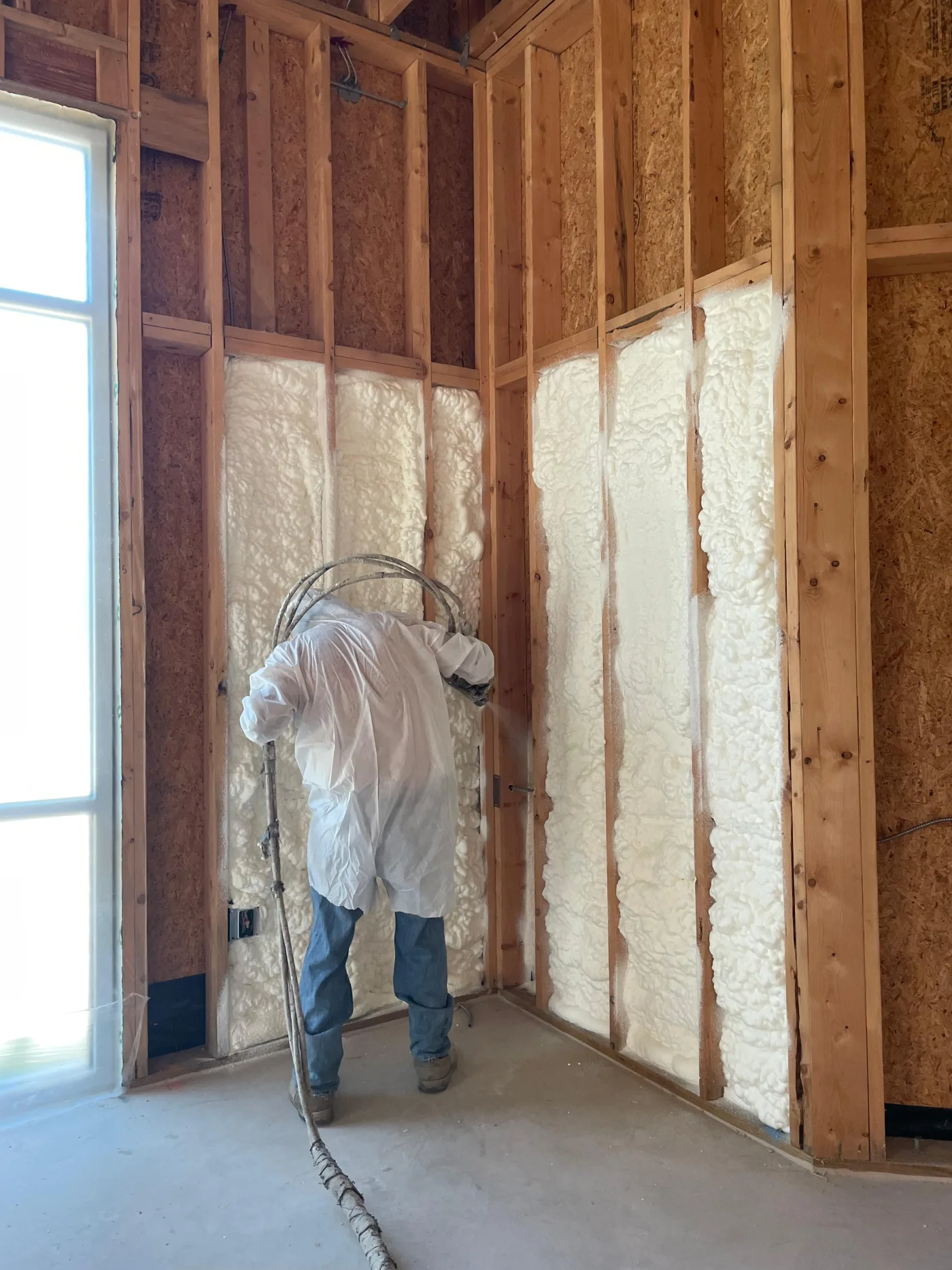
Spray Foam Insulation
Why Spray Foam Pulls Away From Roof Decking in San Antonio Attics
Gaps or loose foam at the underside of the roof call for an adhesion inspection. Learn what to photograph, what the installer should check, and when to address roof moisture before approving repairs.
Service Insights
Key facts that shape the recommendation.
Adhesion is the bond between the spray foam and the surface it covers.
A visible gap can interrupt the insulation or air barrier at the roofline.
Poor surface preparation, moisture, and installation conditions can affect the bond.
Have the installer confirm the extent and cause before covering the area.
What does a gap at the roof deck tell you?
If spray foam has lifted from wood sheathing or separated from the edge of a rafter, ask the installer to inspect the bond and trace the gap. A gap can be limited to one edge or extend behind the foam. A photo helps locate it, but the installer needs to see whether the foam is firmly bonded around it and whether the opening interrupts the air and thermal boundaries.
From a safe access point, take a wide photo of the roof slope and a closer one of the affected area. Note whether the gaps repeat across multiple bays or cluster near a roof penetration, valley, or repaired section. Include the approximate installation date and when you first saw the separation. In a San Antonio attic, afternoon comfort changes or longer AC cycles can help describe the problem, but they cannot establish why the foam detached.
What should the installer check before spraying or repairing?
Ask what product was applied and what its installation instructions require for the roof deck. The wood surface needs to be sound and clean, with temperature and moisture within the product’s limits. On a hot Bexar County afternoon, ask how the crew checks the surface temperature of the deck itself. After a roof leak or heavy rain, ask how they verify the wood has dried before applying foam.
Where foam has lifted, ask the installer to examine the exposed surface and surrounding foam, review the available installation records, and check for moisture or damaged sheathing. A stain can warrant a roof inspection before any insulation repair. The Building America unvented attic guide explains why the roof deck needs surface preparation and moisture checks.
When can the repair stay local?
A spot repair may be reasonable when the installer can define the affected area, confirm that the surrounding foam is sound, and correct the cause. Ask what will be removed, how the wood will be prepared, and which compatible product will restore coverage. If separation appears in several roof bays or continues behind the visible edge, ask for a broader survey before pricing individual patches.
At handoff, request photos showing the exposed area after preparation and the finished coverage at the repaired edges. Ask how the crew will verify thickness and continuity and restore any protective covering disturbed by the work. If the insulation was recently installed, share your photos with the original contractor and ask what the project warranty covers before authorizing changes.
Expert Note
Map the gaps before requesting a repair
Mark each affected roof slope on a sketch and pair it with a wide photo and a close-up. Include any history of leaks or deck repairs.
Questions Answered
Straight answers before you book the estimate.
A photo can show a visible gap. An on-site inspection can distinguish an isolated edge gap from foam that has lifted across a larger area.
The roof deck needs to meet the product’s moisture requirements. Have leaks corrected and the wood checked before the installer covers it.
The temperature of the surface matters during application. Ask the crew to measure the roof deck and follow the product’s permitted temperature range.
Have the gap inspected first. Filling the surface can hide loose insulation or moisture and may leave the underlying separation in place.
The scope depends on the cause and extent. An installer can check nearby bays and determine whether an isolated repair or broader removal is appropriate.
Related Routes
Review the roofline and the full attic
Next Step
Request a spray foam insulation assessment
Send Insulation Pros SATX the spots you can photograph safely, the installation date if known, and any history of roof leaks.
Follow our insulation guides

Related Services
Book the service behind this article
If you are reading this because there is an active issue at home, these are the most relevant Insulation Pros SATX bookings to start with.
Keep Reading
Related Articles
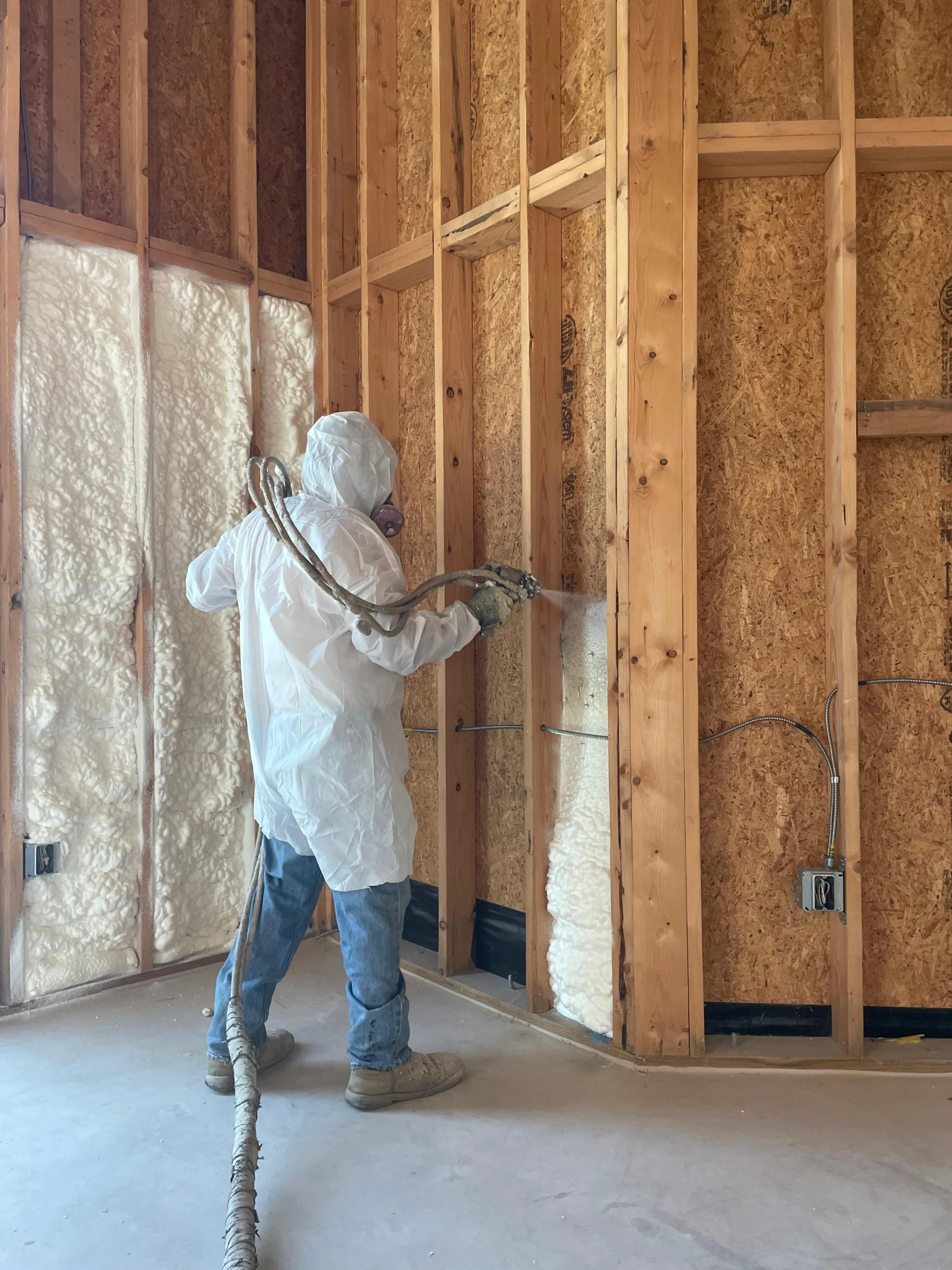
Spray Foam vs. Rigid Foam in San Antonio: Which Fits Your Project?
Bulverde Spray Foam Insulation: When a Roofline Plan Fits the Home
Canyon Lake Spray Foam Insulation: When Air Sealing Beats a Simple Top-Off
Need Professional Help?
Insulation Pros SATX helps homeowners across San Antonio, Bexar County, and nearby Central Texas communities with attic insulation, spray foam, blown-in insulation, radiant barrier, crawl space, and removal projects.