
Spray Foam Insulation
Open-Cell vs. Closed-Cell Spray Foam for Texas Homes
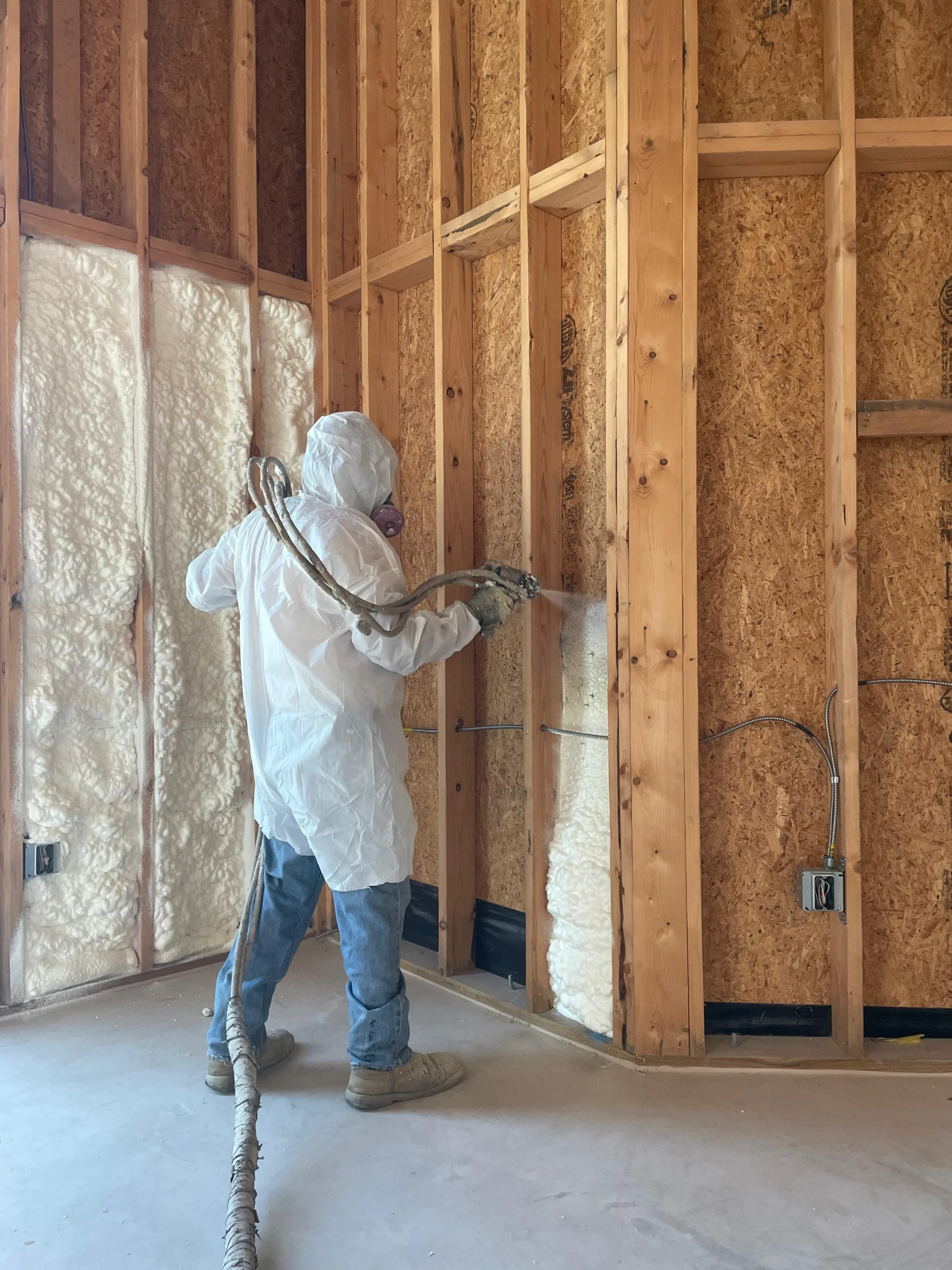
Open-cell and closed-cell spray foam both help Texas homes, but they solve different problems. The right choice depends on air sealing, moisture exposure, budget, and where the foam will be installed.
Service Insights
Key facts that shape the recommendation.
Open-cell spray foam is lighter and often used for attic rooflines and interior cavities.
Closed-cell spray foam is denser and better suited where moisture resistance or rigidity matters.
Both products air seal better than loose-fill insulation when installed correctly.
The right choice depends on the assembly, not just the highest R-value per inch.
The short answer: match the foam to the job
Open-cell and closed-cell spray foam are not interchangeable upgrades. Open-cell foam is lighter, expands more, and can be a strong fit for many attic and wall applications where air sealing and sound reduction matter. Closed-cell foam is denser, has a higher R-value per inch, and is often considered when space, moisture exposure, or added rigidity are bigger factors.
For San Antonio homeowners, the right answer depends on where the foam is going and what problem it needs to solve. A proper spray foam insulation recommendation should account for attic heat, HVAC runtime, roofline conditions, moisture risk, budget, and whether the goal is comfort, air sealing, or both.
| Factor | Open-cell foam | Closed-cell foam |
|---|---|---|
| Cell structure | Cells are open and interconnected | Cells are sealed and closed off from each other |
| Density and feel | Lower density, soft and spongy after curing | Higher density, rigid and hard after curing |
| Insulating value per inch | Lower per inch, so it needs more thickness for the same value | Higher per inch, so it reaches the same value in less thickness |
| Air barrier | Acts as an air barrier at adequate thickness | Acts as an air barrier at adequate thickness |
| Vapor behavior | More vapor permeable; moisture can pass through | Much less vapor permeable at sufficient thickness |
| Structural contribution | Adds no meaningful rigidity | Adds rigidity to the surface it is bonded to |
| Common use | Roof decks and interior walls where drying to the inside is wanted | Rim joists, crawl spaces, and locations where moisture control matters |
Where open-cell spray foam makes sense
Open-cell foam is commonly discussed for attic rooflines and interior assemblies because it expands into gaps and helps reduce air movement. That can matter in San Antonio homes where hot attic air, dusty leakage paths, and long cooling cycles make rooms feel uncomfortable even when the thermostat is set correctly.
It is not automatically the right answer for every space. Open-cell foam is vapor-permeable, so the surrounding roof, wall, or cavity needs to be evaluated correctly. If the attic mainly needs more depth over the ceiling, attic insulation or blown-in material may be a more practical path than converting the roofline to foam.
Where closed-cell spray foam fits better
Closed-cell foam is denser and delivers more R-value per inch, so it can make sense where space is limited or where a tougher insulation layer is needed. It is also often part of conversations around moisture-prone assemblies, though the full building detail still matters more than the product name alone.
Because closed-cell foam uses less expansion and more material density, it usually costs more than open-cell foam. That does not make it better or worse across the board. It means the homeowner should understand why closed-cell is being recommended before approving the scope.
Expert Note
Ask what problem the foam is solving
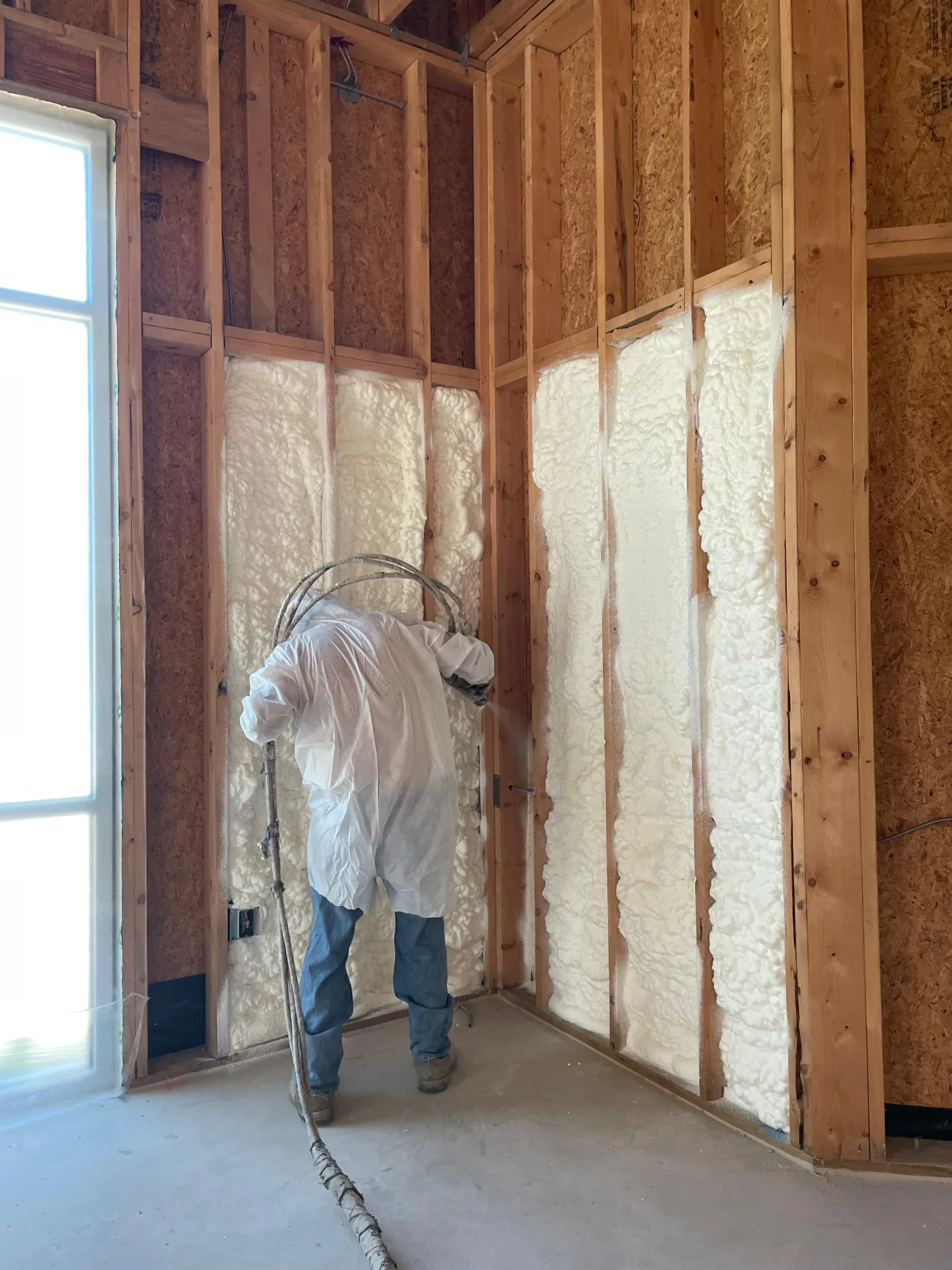
A clear recommendation should explain whether the goal is air sealing, higher R-value per inch, moisture control, roofline performance, sound reduction, or a mix of those factors.
Questions Answered
Straight answers before you book the estimate.
Open-cell foam is lighter and expands more into cavities. Closed-cell foam is denser, provides higher R-value per inch, and is often used where moisture resistance, limited space, or added rigidity matter.
Neither is automatically better. Open-cell can be a strong fit for many attic and interior applications, while closed-cell may fit tighter or more moisture-sensitive areas. The building assembly should decide.
Yes, when it is installed in the right location. Spray foam can reduce air leakage and heat movement, which can help comfort and HVAC runtime in hot South Texas weather.
It can be worth it when the job needs higher R-value per inch, a denser material, or better performance in a specific assembly. It is not necessary for every attic or wall cavity.
Sometimes, but not always. Spray foam changes the insulation strategy, especially at the roofline. If the attic floor only needs more coverage, blown-in insulation may be more practical.
Related Routes
Compare related insulation options
Use these pages to decide whether foam is the right path or one part of a larger attic upgrade.
Spray Foam Insulation
Review spray foam options for rooflines, walls, and hard-to-cool rooms.
Learn MoreAttic Insulation
Compare foam against attic floor upgrades for San Antonio heat and comfort.
Learn MoreRequest a Free Estimate
Get a local recommendation before choosing open-cell or closed-cell foam.
Learn MoreNext Step
Need help choosing the right spray foam?
Insulation Pros SATX can inspect the space, explain the open-cell vs. closed-cell tradeoffs, and recommend the right insulation scope for your home.
Follow our insulation guides

Related Services
Book the service behind this article
If you are reading this because there is an active issue at home, these are the most relevant Insulation Pros SATX bookings to start with.
Keep Reading
Related Articles
Bulverde Spray Foam Insulation: When a Roofline Plan Fits the Home
Canyon Lake Spray Foam Insulation: When Air Sealing Beats a Simple Top-Off
Vented vs. Unvented Attics in San Antonio: How Insulation Choices Change
Need Professional Help?
Insulation Pros SATX helps homeowners across San Antonio, Bexar County, and nearby Central Texas communities with attic insulation, spray foam, blown-in insulation, radiant barrier, crawl space, and removal projects.