
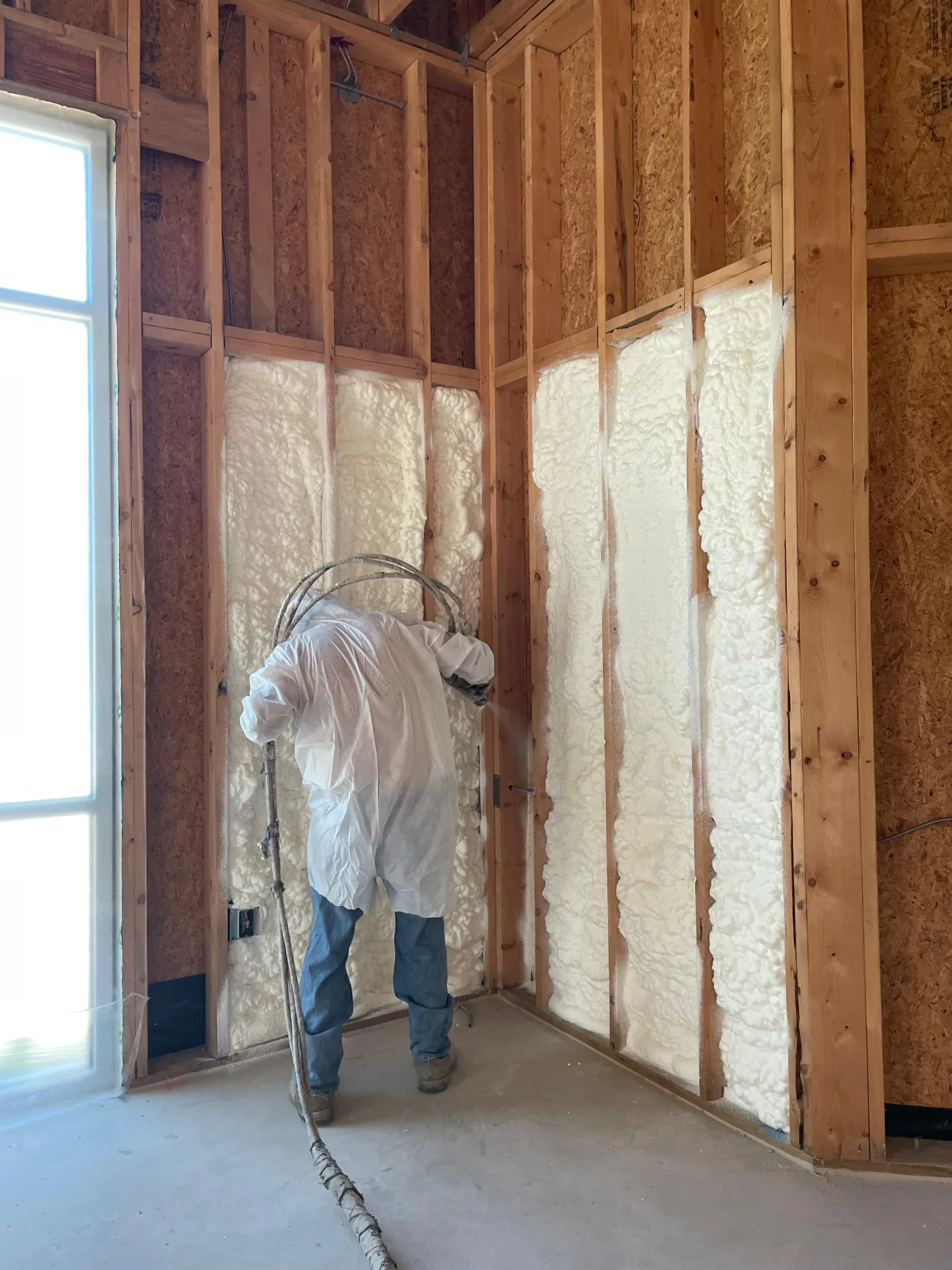
Attic Insulation
Attic Insulation After a Roof Replacement in San Antonio: What to Check
A new roof can disturb attic insulation, baffles, ventilation paths, and dusty old material. San Antonio homeowners should check the attic layer before summer heat exposes the gaps.
Service Insights
Key facts that shape the recommendation.
Roof replacement can disturb attic insulation, baffles, vents, and access paths even when the roof job is done well.
San Antonio heat makes thin or displaced attic coverage show up quickly as warm rooms and longer AC runtime.
The attic should be checked for insulation depth, blocked ventilation paths, moisture staining, debris, and compressed material.
A clean attic may only need correction or a blown-in top-off; damaged material may need removal before rebuilding the layer.
The short answer: inspect the attic after the roof is finished
Attic insulation after roof replacement in San Antonio should be inspected because roofing work can change the attic conditions above your living space. The direct answer: after a new roof, check insulation depth, attic baffles, ventilation paths, signs of moisture, and any areas where crews may have compressed or moved material. A roof can look complete from outside while the attic layer still needs attention.
This matters in San Antonio, Bexar County, NW San Antonio, Leon Springs, Helotes, Stone Oak, and Alamo Ranch because roof heat sits over the ceiling for hours during summer. If attic insulation is thin, patchy, or pushed away from the ceiling plane, the AC has to fight more heat from above. That can show up as hot bedrooms, longer HVAC runtime, and comfort problems even after investing in a new roof.
A roof replacement does not automatically mean you need new insulation. It does mean the attic deserves a practical check before the next stretch of Texas heat. The right answer may be resetting disturbed areas, protecting airflow, adding blown-in insulation, or removing material that was already damaged before the roof work.
What roofing work can change inside the attic
Start with areas near attic access, roof penetrations, valleys, and places where decking or ventilation work happened. Insulation can be compressed by foot traffic, moved away from ceiling areas, mixed with debris, or left thin around hard-to-reach edges. Baffles can also shift, and blocked soffit paths can reduce the airflow that a vented attic depends on.
Next, look for moisture clues. A roof replacement may fix the water source, but old wet insulation can stay heavy, dirty, or ineffective if it is left in place. If insulation is wet, stained, pest-damaged, or contaminated, insulation removal may need to happen before a clean top-off.
Radiant heat is another decision point. Some homeowners ask about radiant barrier after roofing work because roof heat is fresh on their mind. That can be useful in the right attic, but it should not replace basic insulation depth, clean coverage, or correct ventilation details.
When a top-off makes sense after a new roof
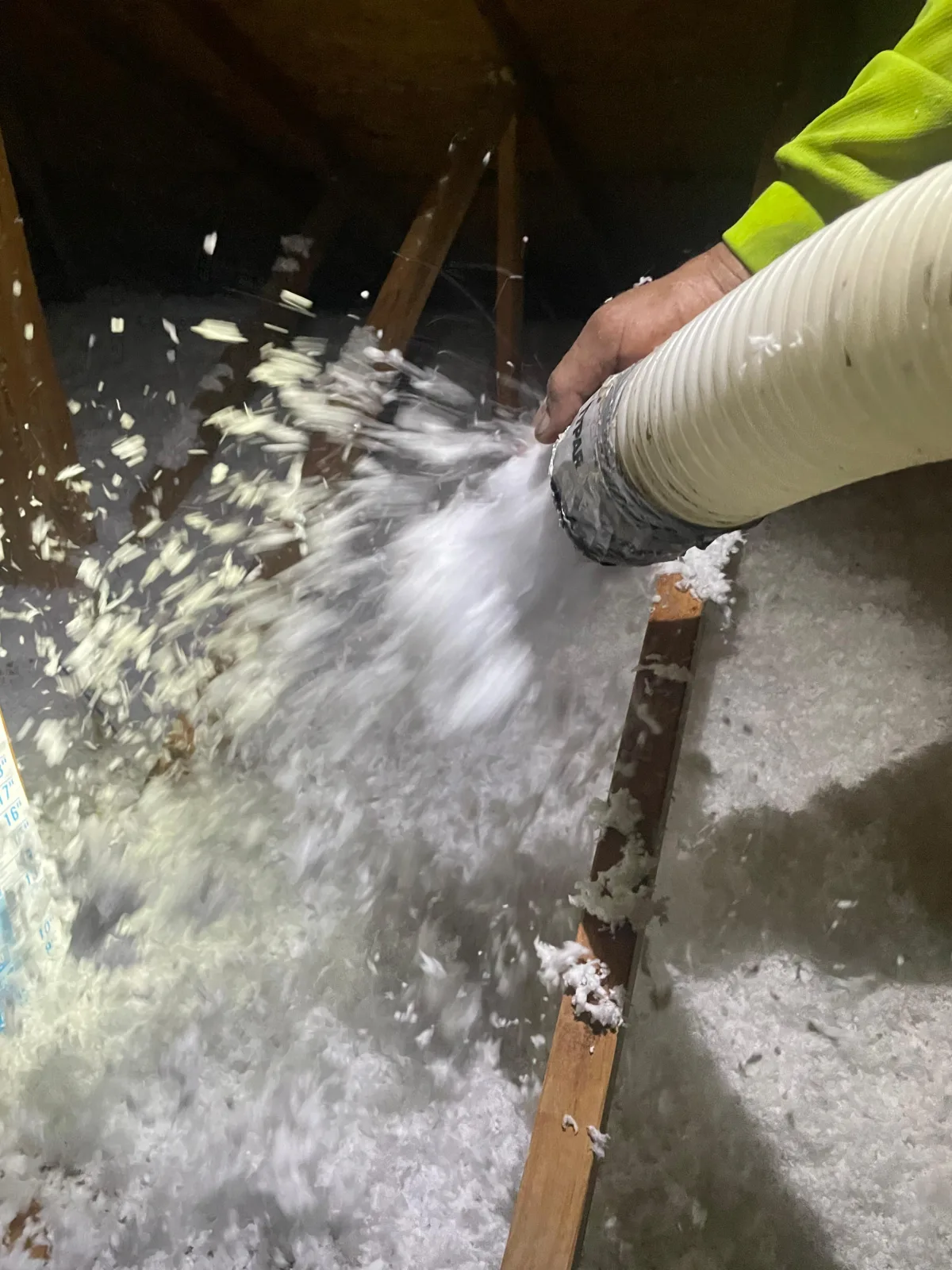
A top-off makes sense when the existing attic insulation is clean and dry but no longer gives the home enough even coverage. In that case, adding blown-in insulation can rebuild depth across low areas and help reduce heat transfer through the ceiling. The crew should still protect vents, avoid burying problem areas, and correct obvious gaps before adding new material.
A top-off does not make sense when it hides a problem. Do not cover wet insulation, pest evidence, heavy dust contamination, or areas that need air sealing without discussing the sequence first. Once new loose-fill material is installed, those details are harder to reach.
If your San Antonio home just got a new roof, Insulation Pros SATX can inspect the attic layer, check for disturbed coverage, review ventilation paths, and explain whether you need correction, removal, radiant barrier, or a clean top-off. Use the roof project as a chance to make the attic perform better before summer comfort problems return. Start with a free estimate.
Expert Note
Check before the first heat wave
The best time to inspect attic insulation after a roof replacement is before long summer afternoons reveal hot rooms and extended AC runtime.
Questions Answered
Straight answers before you book the estimate.
Yes. Roof work can disturb insulation, baffles, ventilation paths, and attic access areas. A quick inspection can catch thin, compressed, wet, or displaced material before it affects comfort.
Not always. If the existing insulation is clean, dry, and deep enough, it may only need minor correction. If it is thin, damaged, wet, or uneven, a top-off or removal-first plan may be needed.
Insulation can be compressed or moved during access, decking repairs, ventilation work, or cleanup. That does not always mean the roof job was bad, but it does mean the attic layer should be checked.
Look for low insulation depth, bare ceiling areas, blocked soffit paths, shifted baffles, debris, moisture staining, pest evidence, and insulation moved away from rooms below.
Yes, if the attic is clean, dry, and ready. Any moisture damage, debris, ventilation issues, or air-sealing needs should be reviewed before adding new blown-in insulation.
Related Routes
Make the attic part of the roof follow-up
These services help turn a roof replacement into a comfort and efficiency check.
Attic Insulation
Inspect attic depth, disturbed areas, baffles, and heat transfer after roof work.
Learn MoreBlown-In Insulation
Top off clean, low attic coverage once ventilation and problem areas are checked.
Learn MoreRadiant Barrier
Review roof heat control when the attic already has the right insulation basics in place.
Learn MoreNext Step
Get an attic check after your new roof
Insulation Pros SATX inspects attic insulation depth, disturbed areas, ventilation paths, moisture clues, radiant barrier fit, and top-off options for homeowners across San Antonio, Bexar County, Leon Springs, Helotes, Stone Oak, Alamo Ranch, Boerne, and nearby Central Texas communities. Call (210) 239-2660 or request a free estimate.
Follow our insulation guides

Related Services
Book the service behind this article
If you are reading this because there is an active issue at home, these are the most relevant Insulation Pros SATX bookings to start with.
Keep Reading
Related Articles
Attic Insulation Around Solar Panels in San Antonio: What to Check Before and After Roof Work
Can You Add Attic Insulation in Summer? A San Antonio Homeowner Guide
Shavano Park Attic Insulation: What to Check When Upstairs Rooms Stay Warm
Need Professional Help?
Insulation Pros SATX helps homeowners across San Antonio, Bexar County, and nearby Central Texas communities with attic insulation, spray foam, blown-in insulation, radiant barrier, crawl space, and removal projects.