
Attic Insulation
Best Insulation for San Antonio Homes: What Reddit Gets Right
Reddit discussions point to a useful conclusion: the best San Antonio insulation choice depends on the attic assembly, air leaks, moisture, and existing material—not one universal product.
Service Insights
Key facts that shape the recommendation.
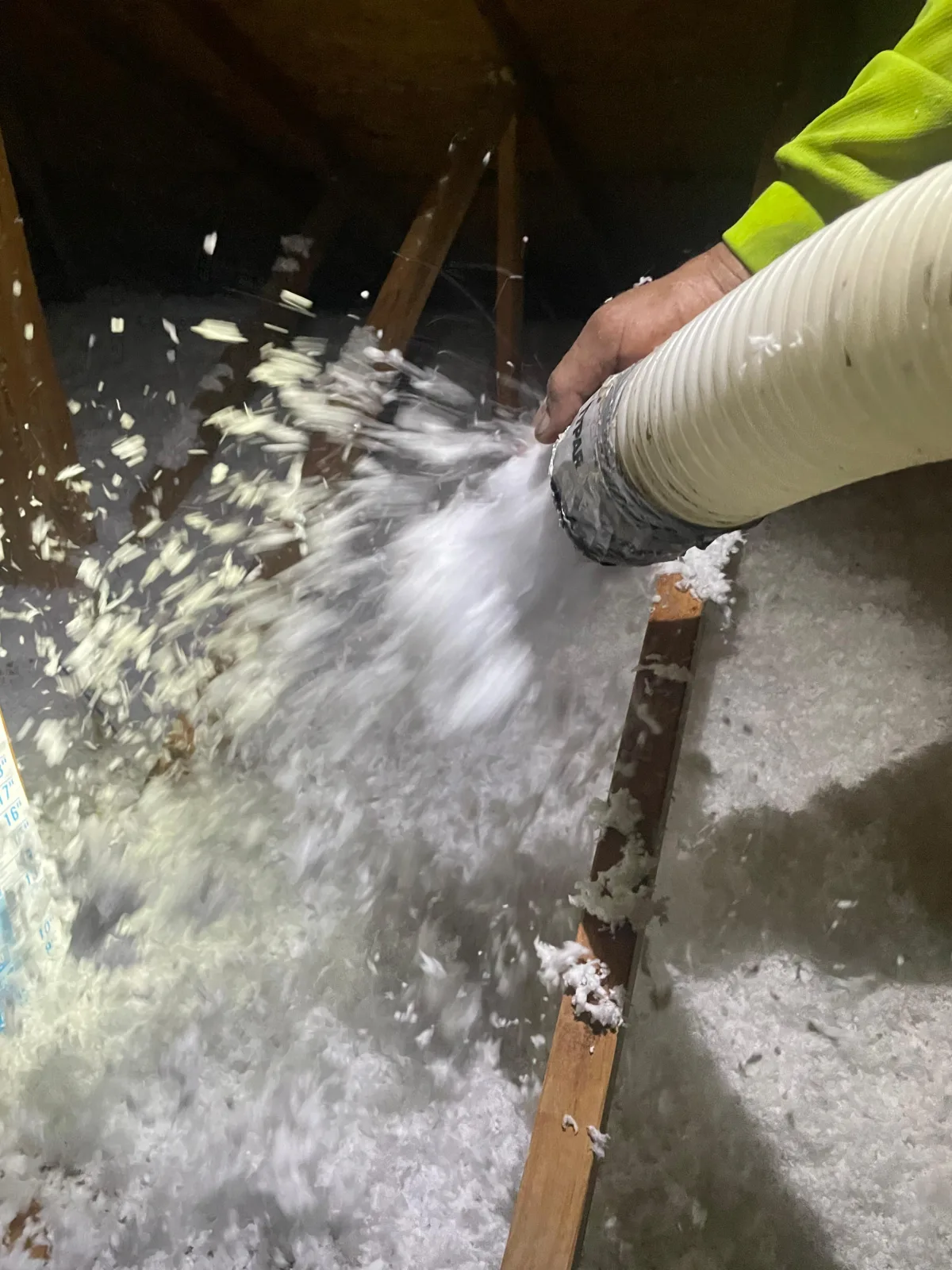
For many existing San Antonio homes with a vented attic, air sealing plus an even layer of fiberglass or cellulose on the attic floor is the practical starting point.
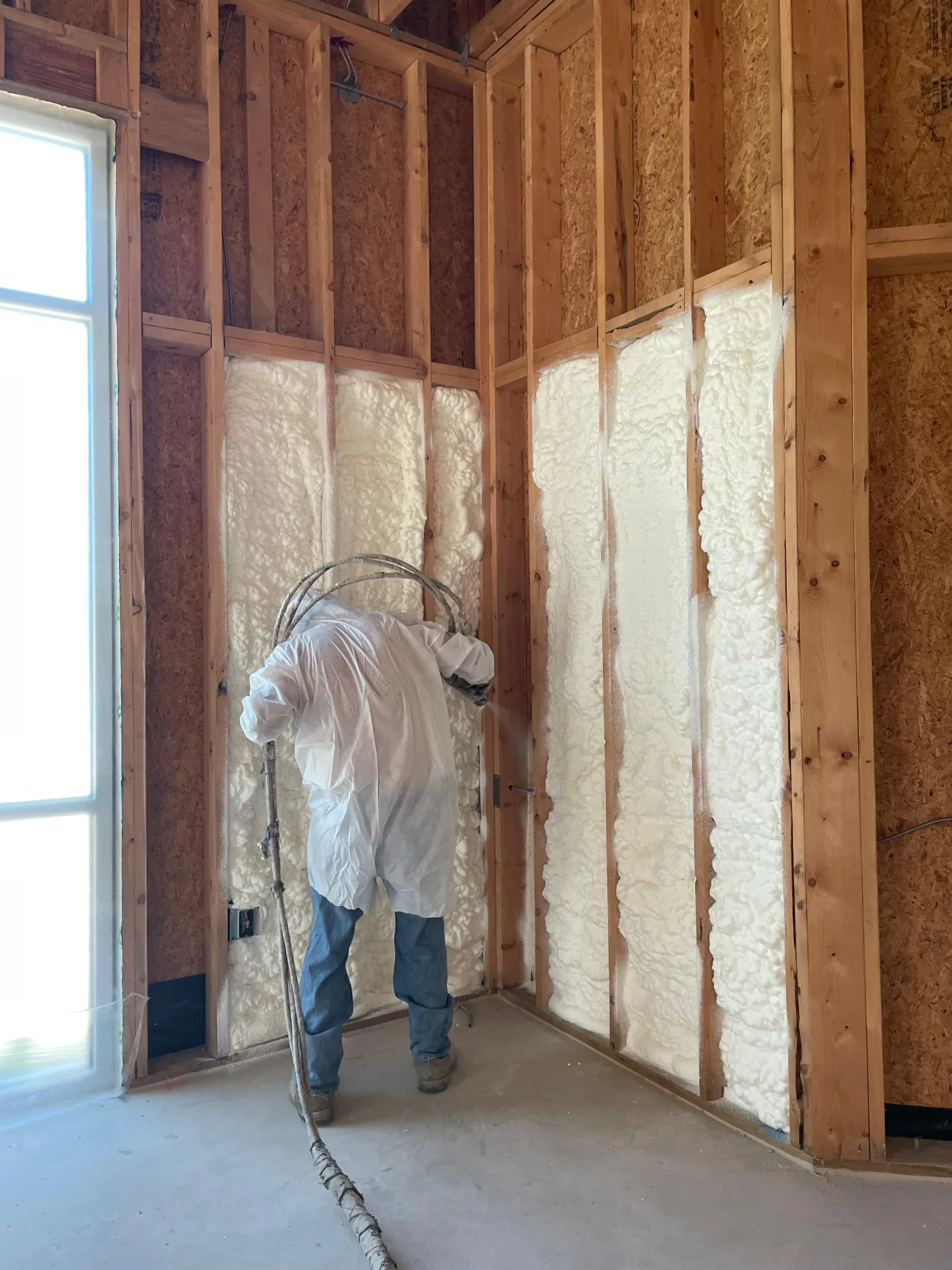
Spray foam can be worth considering when the roofline needs to become the thermal and air boundary, but that is an attic-system decision—not an automatic upgrade.
Existing insulation usually does not need removal just because it is old; wet, moldy, smelly, pest-contaminated, or badly obstructive material is a different case.
Reddit is useful for discovering homeowner questions and failure modes, while the final specification should come from an inspection and building-science review of the actual home.
Best Insulation for San Antonio Homes According to Reddit: The Short Answer
Direct answer: For many existing San Antonio homes with a conventional vented attic, the best first move is to seal air leaks at the attic floor and then install enough evenly distributed fiberglass or cellulose to create a continuous thermal layer. Spray foam may be the better fit when the roof deck needs to become the boundary of the conditioned space, especially when ducts or equipment are in the attic, but only after ventilation, moisture, HVAC, and combustion-safety details are reviewed as one system.
That answer is less dramatic than choosing a universal winner, but it matches the real intent behind searches such as “best insulation for San Antonio homes Reddit,” “attic insulation recommendations Reddit,” and “is spray foam worth it in Texas Reddit.” Homeowners are usually trying to solve a hot room, a hard-running air conditioner, an uncomfortable second floor, an unexpectedly expensive quote, or uncertainty about whether old insulation must be removed.
Current Google results for these Reddit-modified searches repeatedly surface discussions about material choice, return on cost, attic sealing, roof-deck foam, ventilation, humidity, ducts in hot attics, and whether a clean existing layer can stay. This article summarizes those themes without copying comments, treating anonymous advice as professional guidance, or implying that any Reddit user endorses Insulation Pros SATX.
What Reddit users commonly say
Across a San Antonio discussion about insulating an older home and a separate local attic-insulation thread, homeowners focus on three practical questions: what material fits the house, whether removal is included, and whether adding insulation over a usable existing layer is reasonable. Local commenters also raise radiant barriers, contractor pricing, pest evidence, and the value of gaining access to the attic floor for air sealing.
Texas-focused discussions broaden the debate. A Texas attic-sealing discussion in r/Insulation weighs adding loose-fill insulation against moving the thermal boundary to the roofline. A detailed r/HomeImprovement thread about a hot Texas room asks whether air sealing, ducts, ventilation, radiant control, or spray foam should come first. More recent threads question whether the price and system changes of spray foam are justified and whether adding material at the roof deck could create moisture problems.
The recurring Reddit opinion is not a consensus on one product. It is a warning against buying a material before diagnosing the attic. That part is useful. Quotes can look comparable while describing completely different assemblies: topping off a vented attic floor is not the same project as creating an unvented attic at the roofline.
What those searchers are really trying to decide
- Will more insulation fix the hot room, or is the real problem air leakage, ducts, solar exposure, or HVAC distribution?
- Is spray foam worth the additional cost and design changes for this particular attic?
- Should a vented attic remain vented, and how should soffit and roof ventilation paths be protected?
- Can new fiberglass or cellulose go over the existing layer, or must the attic be cleared first?
- How can a homeowner compare proposals that use different materials, boundaries, depths, and preparation steps?
Those are inspection questions before they are product questions. A useful San Antonio attic insulation proposal should describe the existing condition, the intended air and thermal boundary, the preparation work, the material, and the ventilation or moisture details—not just the number of bags or inches.
What Reddit Gets Right—and What Building Science Adds
What building-science guidance suggests
Building-science guidance supports Reddit’s emphasis on air sealing, but it explains why sequencing matters. The U.S. Department of Energy’s guidance for existing attics says penetrations in a vented attic floor should be air sealed before insulation is added. Insulation slows heat flow; it does not automatically stop air moving through top plates, plumbing and wiring penetrations, dropped soffits, attic hatches, or other bypasses.
ENERGY STAR’s attic air-sealing guide likewise points homeowners toward the larger leakage paths first. This is why a clean top-off can still disappoint if new loose fill simply buries accessible gaps. Air sealing is not a competing insulation material; it is preparation that helps the insulation layer work as intended.
Material choice still matters, but installation quality and assembly design matter just as much. The Department of Energy’s overview of insulation types describes fiberglass, cellulose, and foam as parts of a whole-house system that must account for air sealing, location, moisture control, and other building components. A high-performing material installed around gaps, compressed into cavities, or placed in the wrong part of the assembly can underperform a simpler material installed continuously and correctly.
What applies specifically to San Antonio’s hot climate
San Antonio is cooling-dominated for much of the year. Roof surfaces absorb strong solar heat, attic temperatures rise, and any weak point above the ceiling can increase heat flow toward the living space. Ducts and air handlers located in a vented attic operate in a harsher environment than equipment inside conditioned space. That makes attic-floor coverage, duct condition, air sealing, and the location of the thermal boundary especially important.
Humidity and ventilation cannot be treated as afterthoughts. In a conventional vented attic, soffit and upper exhaust paths should remain open rather than being covered by new insulation. ENERGY STAR’s attic-ventilation guidance explains that passive airflow helps move super-heated air and moisture out of a vented attic while the insulation resists heat transfer into the home. Baffles may be needed near the eaves so loose-fill material does not block soffit airflow.
An unvented spray-foamed attic is a different design, not a vented attic with extra material added under the roof. The roofline becomes the air and thermal boundary, existing vents are addressed as part of that design, and the attic’s moisture and temperature strategy must be deliberate. If fuel-burning equipment is in the attic, ENERGY STAR advises professional combustion-safety testing after air sealing. During spray polyurethane foam installation, the EPA also provides ventilation guidance for protecting workers and occupants. Homeowners should ask the installer to explain the attic design, product documentation, site isolation, ventilation, and re-entry plan.
Why attic heat is not a material diagnosis
A hot attic does not by itself prove that spray foam is necessary or that existing insulation has failed. Vented attics are outside the conditioned envelope and will get hot. The more useful question is whether the ceiling-level air and thermal boundary is continuous enough to protect the rooms below. Temperature complaints can also involve disconnected or leaking ducts, insufficient return airflow, west-facing glass, low insulation over one room, a leaky attic hatch, or a remodeled area with a different assembly.
That is why we would not promise a fixed energy-savings percentage from a material choice. Energy performance depends on the starting condition, HVAC, ducts, air leakage, thermostat use, house geometry, and installation quality. An inspection can identify correctable defects and define a scope; it cannot responsibly turn every attic into the same savings claim.
Fiberglass, Cellulose, or Spray Foam? A San Antonio Comparison
| Insulation type | Advantages | Disadvantages / cautions | Approximate use cases | Common Reddit opinions |
|---|---|---|---|---|
| Fiberglass Batts or blown-in |
Widely available; can be added to many vented attic floors; blown-in material can create even coverage around framing. | Does not replace air sealing; batts lose effectiveness when compressed, cut poorly, or left with gaps; loose fill can be displaced or block vents if details are ignored. | Attic-floor top-offs, open framing, or projects where existing clean material can remain and the attic boundary stays at the ceiling. | Often described as the practical or budget-conscious choice; commenters repeatedly stress depth, coverage, and sealing before adding more. |
| Cellulose Loose-fill or dense-pack |
Fits irregular spaces well; useful for attic floors and some enclosed cavities; can reduce air movement when dense-packed in appropriate wall applications. | Must be kept dry; settling and installed density need to be accounted for; attic ventilation and clearances still need protection. | Vented attic-floor coverage and certain wall-retrofit applications where the assembly and access support it. | Frequently recommended for filling gaps in older homes; other users worry about dust, settling, moisture, or the condition of material already present. |
| Spray foam Open-cell or closed-cell |
Can provide insulation and an air barrier in one installed system; useful where the roofline or difficult cavities must become the boundary. | Higher-cost, installation-sensitive work; changes how the attic manages air, heat, and moisture; requires product-specific safety procedures and careful planning around roof, HVAC, and combustion details. | Selected roofline conversions, complex cavities, metal buildings, or projects where moving ducts and equipment inside the boundary has a clear design benefit. | Praised for air sealing and cooler attic conditions, but debated heavily over cost, moisture risk, inspection access, odor concerns, and whether a simpler attic-floor upgrade would solve the problem. |
How to read the table: “Common Reddit opinions” summarizes recurring discussion themes, not verified performance claims. The right material depends on the home and the complete installation specification.
Fiberglass: familiar, flexible, and detail-dependent
Fiberglass can work well in San Antonio when it is installed without gaps or compression and paired with the correct air-sealing and ventilation details. Batts are useful in open, regularly spaced cavities when they can be cut and fitted precisely. Blown-in fiberglass is often more practical across an attic floor because it can cover framing and irregular areas continuously. For a clean vented attic that is simply low or uneven, blown-in insulation may be the least disruptive route after preparation.
Cellulose: good coverage, with moisture and settling in the scope
Cellulose is also a strong candidate for irregular attic floors and some wall retrofits. Like fiberglass, it relies on the surrounding assembly to manage bulk water, vapor, and airflow correctly. A proposal should state where it will be installed, how installed depth or density will be verified, how ventilation clearances will be maintained, and whether the old layer is staying. The choice between cellulose and fiberglass should be based on access, assembly, installer quality, documentation, and the homeowner’s goals—not on online loyalty to one material.
Is spray foam worth it in Texas?
Sometimes. Spray foam is more likely to justify its added scope when the roofline must become the home’s air and thermal boundary, when substantial ductwork or equipment benefits from being brought into a more moderated attic, or when complex cavities make another system difficult. It is less compelling when a conventional vented attic has a repairable ceiling plane and the problem can be addressed with air sealing, duct corrections, and a well-installed loose-fill layer.
A recent North Texas Reddit discussion reflects the price-versus-outcome hesitation many searchers have. Another Central Texas thread about closed-cell foam turns quickly to attic conditioning and humidity. Those concerns are exactly why a spray-foam quote should identify the new boundary and explain ventilation, HVAC, moisture, combustion, installation-safety, and inspection details in writing.
When insulation replacement is actually necessary
Age alone is not a removal test. ENERGY STAR’s attic-insulation guidance says existing insulation can usually remain under a new layer unless it is wet, moldy, smelly, or contains animal waste. In practice, removal may also be necessary when the old material prevents safe access to contamination, roof-leak damage, electrical concerns, or the attic floor that must be sealed and repaired.
Clean, dry material that is merely low, settled, or uneven may be reusable. The crew can correct displaced areas, complete reachable air sealing, protect ventilation paths, and add compatible insulation. By contrast, a roof leak should be repaired and the assembly dried before rebuilding the layer. Pest entry should be addressed before clean insulation is installed. If the attic has contamination or widespread damage, insulation removal creates access for a cleaner reset.
A better way to compare San Antonio insulation estimates
- Confirm the boundary. Is the proposal insulating the attic floor or the roofline?
- Document existing conditions. Ask for photos, depth or coverage notes, moisture or pest findings, ventilation paths, and duct observations.
- Separate preparation from material. Air sealing, baffles, access dams, hatch treatment, removal, and duct repairs should not disappear inside a vague material price.
- Ask how quality is verified. The proposal should describe installed depth, density, thickness, coverage, or manufacturer requirements as applicable.
- Review moisture and safety details. This is essential when changing a vented attic to an unvented roofline assembly or working around fuel-burning equipment.
- Avoid guaranteed savings claims. Ask what defect the work corrects and how the finished attic will be documented.
The most useful conclusion from Reddit is that homeowners should slow the decision down before choosing a product. The building-science conclusion is more precise: define the air, thermal, and moisture-control layers, then select the material and installation method that complete those layers. For San Antonio, Texas, that usually means treating attic heat, air leakage, ventilation, ducts, moisture, and insulation as one system.
Expert Note
Reddit is a discovery layer—not an attic specification
Use homeowner discussions to identify questions for your estimate. Use an inspection to decide the boundary, preparation, material, ventilation, moisture, and safety details for your San Antonio home.
Questions Answered
Straight answers before you book the estimate.
Reddit discussions do not show one reliable winner. The recurring practical recommendation is to diagnose the attic first. For many vented attics, air sealing plus evenly installed fiberglass or cellulose is a sensible starting point. Spray foam fits some roofline and complex-cavity projects when the whole attic system is designed for it.
It can be worth considering when moving the air and thermal boundary to the roofline creates a clear benefit, such as bringing attic ducts or equipment into a more moderated space. It may not be the best value when air sealing and a conventional attic-floor insulation upgrade can correct the problem. The quote should address ventilation, moisture, HVAC, combustion safety, and installation procedures.
Usually, yes. Sealing accessible gaps at top plates, chases, wiring and plumbing penetrations, attic hatches, and other bypasses before adding loose-fill insulation keeps those leaks from being buried and helps the insulation layer perform as intended.
Both can work in a properly prepared vented attic. The better choice depends on the existing material, access, desired application, moisture conditions, installer quality, and the written specification for depth, density, and coverage. Installation quality often matters more than online preference for one fiber.
Not automatically. Clean, dry, usable insulation can often remain under a compatible new layer. Removal should be considered when material is wet, moldy, smelly, contaminated by animals, or blocking access needed to correct damage, hazards, or widespread air leaks.
Spray foam does not simply cancel ventilation. A correctly designed unvented attic moves the air and thermal boundary to the roofline and addresses existing vents as part of the assembly. That design must also account for moisture, HVAC, and any combustion equipment. Do not mix vented- and unvented-attic details without a project-specific plan.
Related Routes
Inspect the attic before choosing the product
These services cover the three decisions that appear most often in San Antonio and Texas Reddit discussions.
Attic Insulation
Evaluate coverage, attic heat, air leaks, ventilation paths, ducts, and the existing insulation layer.
Learn MoreSpray Foam Insulation
Review whether a roofline or cavity application fits the home’s full air and moisture strategy.
Learn MoreInsulation Removal
Remove wet, contaminated, or obstructive material when the attic needs a clean reset.
Learn MoreNext Step
Get a San Antonio insulation recommendation based on your attic
Insulation Pros SATX can inspect your attic’s existing material, air leaks, ventilation paths, moisture signs, and duct conditions before recommending fiberglass, cellulose, spray foam, a top-off, or removal. Request an inspection or estimate for your San Antonio, Texas home.
Follow our insulation guides

Related Services
Book the service behind this article
If you are reading this because there is an active issue at home, these are the most relevant Insulation Pros SATX bookings to start with.
Keep Reading
Related Articles
Leon Springs Attic Insulation: Why Hill Country Homes Can Still Run Hot
Attic Fan vs. Insulation in San Antonio: What Actually Helps a Hot House?
Attic Insulation Around Solar Panels in San Antonio: What to Check Before and After Roof Work
Need Professional Help?
Insulation Pros SATX helps homeowners across San Antonio, Bexar County, and nearby Central Texas communities with attic insulation, spray foam, blown-in insulation, radiant barrier, crawl space, and removal projects.