
Comparisons
Spray Foam vs Blown-In Insulation for San Antonio Homes
Spray foam vs blown-in insulation comes down to air sealing, attic condition, budget, access, and the comfort problem you need to solve.
.jpeg)
Service Insights
Key facts that shape the recommendation.
Blown-in insulation is often best for clean attic top-offs
Spray foam is stronger when air sealing is part of the problem
Attic access, ventilation, and existing material affect the recommendation
A local inspection is the safest way to compare both options
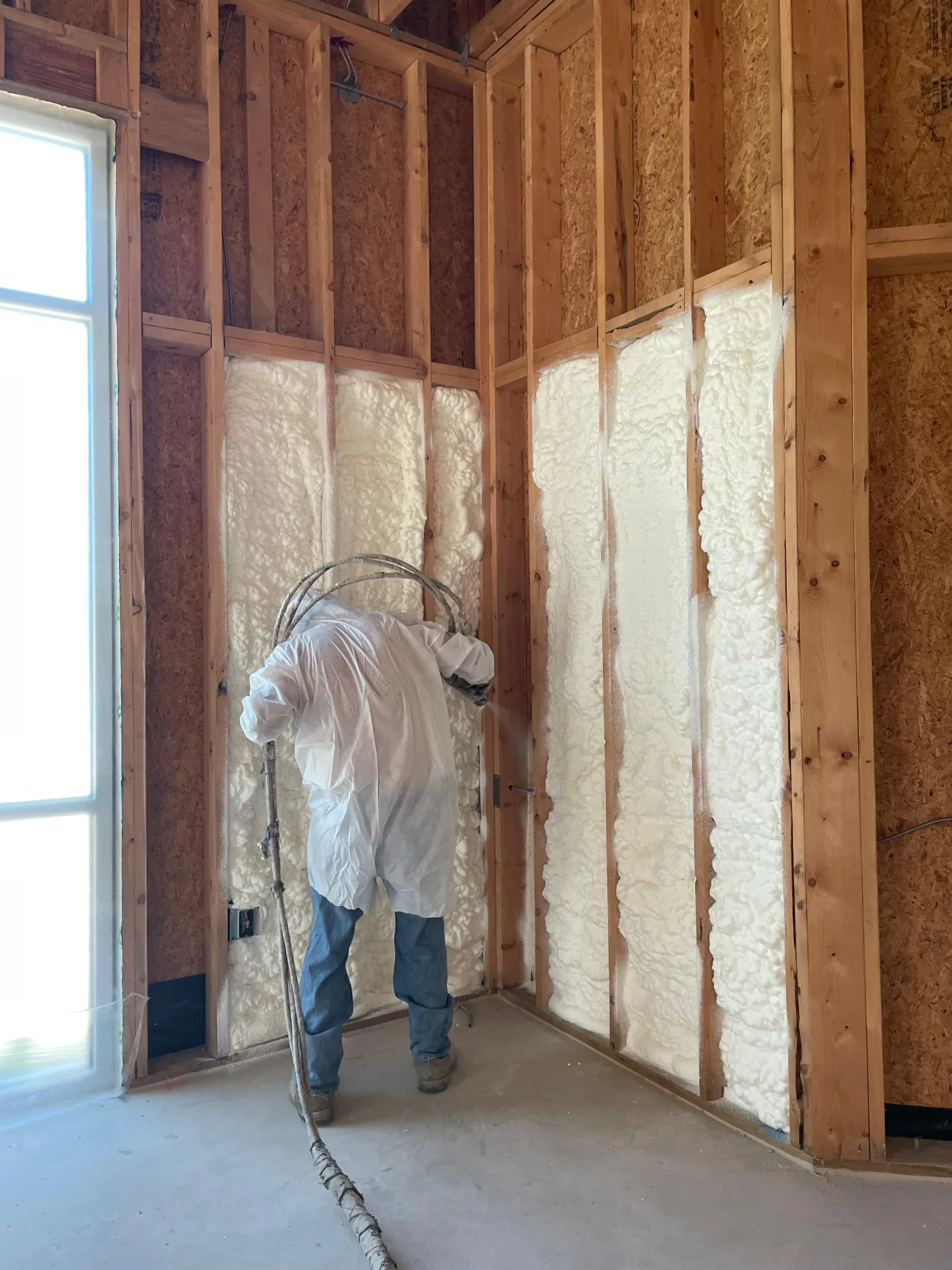
Spray foam vs blown-in insulation is one of the most common questions San Antonio homeowners ask because both can improve comfort, but they solve different problems. Blown-in insulation is usually the practical choice when the attic simply needs more depth over a clean surface. Spray foam insulation is a better conversation when air leaks, roofline performance, or hard-to-control rooms are the main issue.
The right answer depends on what the house is doing. If the attic is underfilled and accessible, blown-in insulation may restore coverage quickly. If conditioned air is escaping through bypasses or the attic plane needs stronger air control, spray foam insulation may deliver better results. Many homeowners start by reviewing the broader attic insulation service first.
| Factor | Spray foam | Blown-in |
|---|---|---|
| What it is | Liquid components that expand and cure in place into a solid layer | Loose fiberglass or cellulose fibers blown in through a hose |
| How it is installed | Sprayed onto a surface, where it adheres and hardens | Blown loose across the attic floor or into a cavity |
| Air sealing | Seals air leaks and insulates in the same application | Slows heat transfer but does not seal air leaks; air sealing is a separate step |
| Typical location | Underside of the roof deck, walls, or rim joists | Attic floor, over the ceiling plane |
| Adding over existing insulation | Generally requires a clean, prepared substrate | Can often be added over sound existing material to restore coverage |
| Attic type it implies | Usually moves the thermal boundary to the roofline (unvented approach) | Keeps the thermal boundary at the ceiling in a vented attic |
When Blown-In Insulation Makes Sense
Blown-in insulation makes sense when existing insulation is clean, dry, and simply too thin. It can cover irregular attic spaces, restore depth after years of settling, and improve comfort without major changes to the roofline. It is also usually more budget-friendly than spray foam for simple attic top-offs.
Spray foam makes sense when air movement is a major part of the comfort problem. It can seal cracks, gaps, and roofline areas where standard loose-fill insulation cannot stop air leakage. Spray foam often costs more, but it may be the better value when the problem is not just R-value but uncontrolled air exchange.
Why attic condition matters
Old, dirty, or wet insulation changes the spray foam vs blown-in insulation decision. Sometimes insulation removal should happen first so the final assembly is clean and predictable. Ventilation, duct location, and roof structure can also influence the final recommendation.
Questions Answered
Straight answers before you book the estimate.
Not always. Spray foam is better for air sealing and roofline performance, while blown-in insulation is often better for straightforward attic top-offs.
Blown-in insulation usually costs less for attic coverage. Spray foam costs more because it also changes air movement and assembly performance.
Sometimes. A contractor may recommend targeted air sealing or spray foam in specific areas, then blown-in insulation for general attic depth.
It depends on condition. Wet, dirty, pest-damaged, or contaminated material should be evaluated before any new insulation is added.
Schedule an attic inspection so Insulation Pros SATX can check access, depth, air leaks, and existing material before recommending a scope.
Next Step
Compare Spray Foam vs Blown-In Insulation With a Local Estimate
We will inspect the attic, explain the tradeoffs, and show which option fits your home before quoting.
Related Routes
Related Insulation Services
Related resources from Insulation Pros SATX.
Follow our insulation guides

Related Services
Book the service behind this article
If you are reading this because there is an active issue at home, these are the most relevant Insulation Pros SATX bookings to start with.
Spray foam insulation
Air-sealing performance for rooflines, wall cavities, and hard-to-cool rooms.
View ServiceBlown-in insulation
Cost-effective attic coverage when the thermal layer is simply too thin.
View ServiceAttic insulation
A practical whole-attic scope when you need comfort, not just material.
View ServiceKeep Reading
Related Articles
Garage Conversion Insulation in San Antonio: What to Check Before You Finish the Room
Does Attic Insulation Help in a San Antonio Winter? What Homeowners Should Check
Attic Insulation Around Solar Panels in San Antonio: What to Check Before and After Roof Work
Need Professional Help?
Insulation Pros SATX helps homeowners across San Antonio, Bexar County, and nearby Central Texas communities with attic insulation, spray foam, blown-in insulation, radiant barrier, crawl space, and removal projects.