
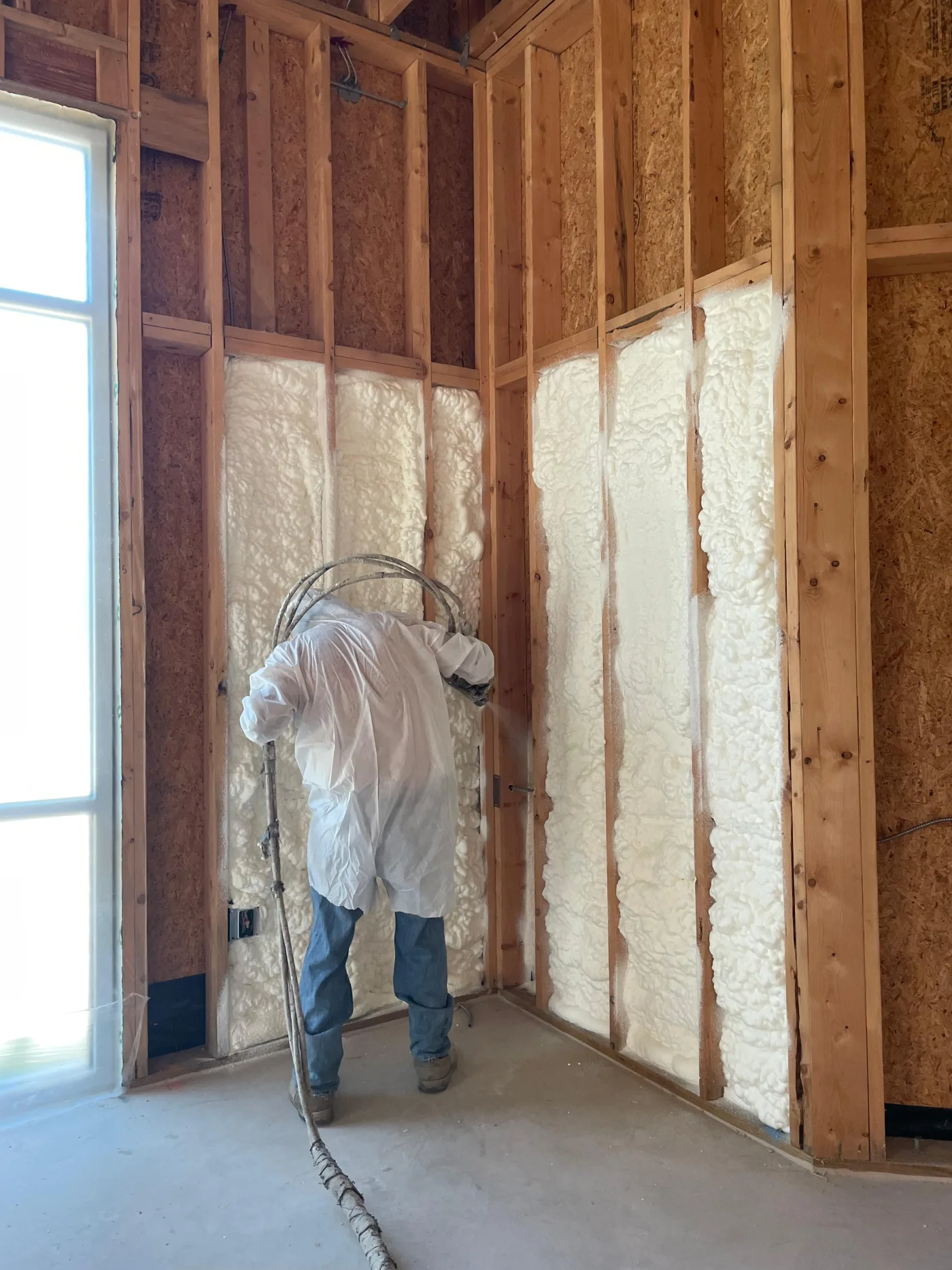
Attic Insulation
Wind Washing in San Antonio Attics: Why Insulation Can Underperform
Wind washing occurs when unconditioned air moves through or around insulation. Learn which attic clues justify an inspection before adding more material in San Antonio.
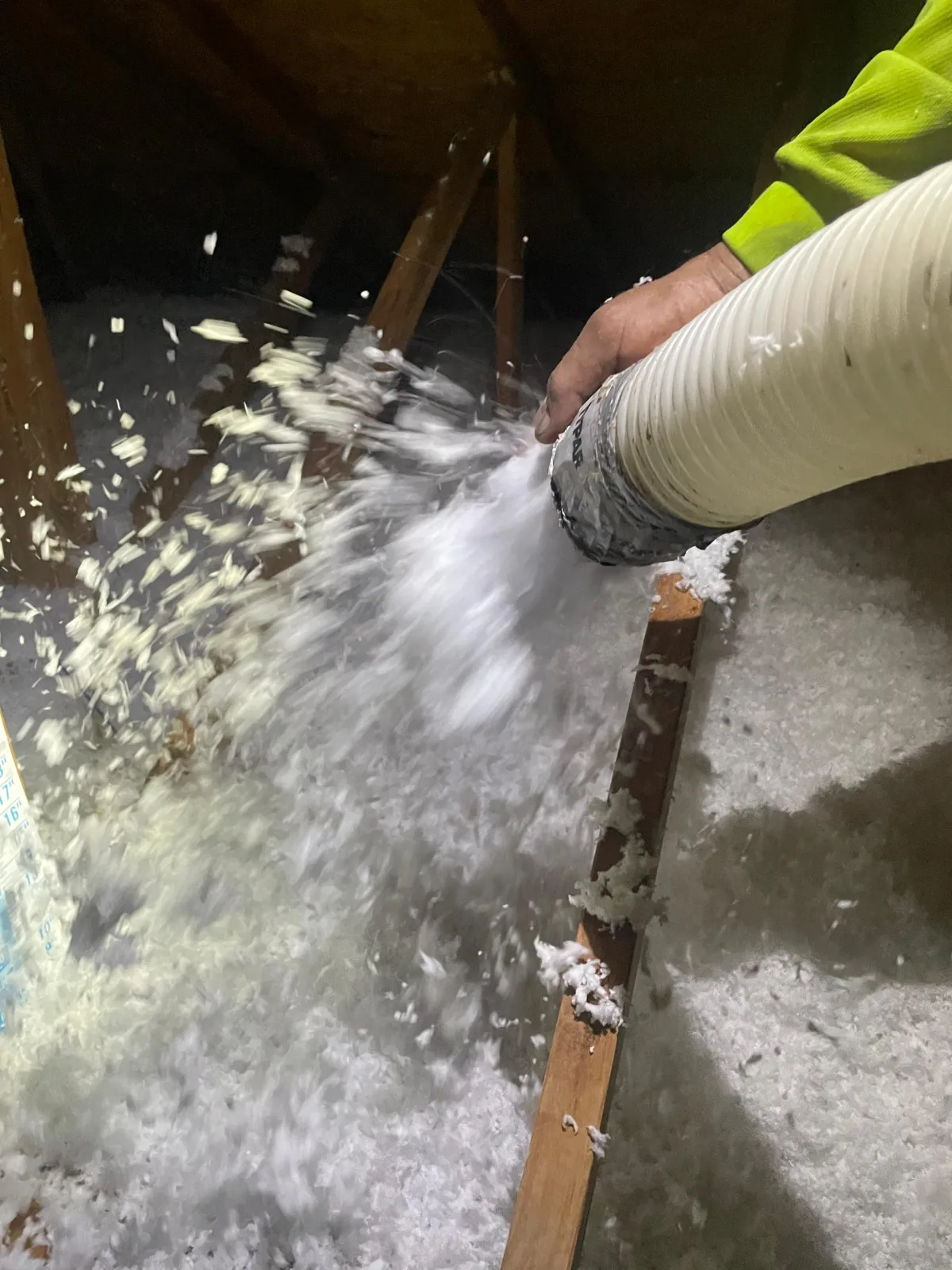
Service Insights
Key facts that shape the recommendation.
Wind washing describes air undermining the insulation layer, not just low depth.
Uneven attic-edge coverage is a clue that needs an inspection, not a diagnosis by itself.
Find the air pathway before choosing a top-off or a larger insulation change.
Protect intended attic ventilation while repairing unwanted air movement.
What is wind washing, and how is it different from low insulation?
Wind washing is air movement through or around insulation that reduces its intended thermal performance. The direct answer for San Antonio homeowners: an attic can contain insulation yet still need an air-control repair before more material will help. A deeper layer does not explain why air is reaching a floor cavity or why coverage keeps thinning near an exterior edge.
Three conditions are easy to confuse. Low insulation means there is too little effective material for the planned thermal resistance. Displaced insulation means material has moved or been disturbed, exposing a weak spot. Wind washing concerns the air path that undermines the thermal layer; visible displacement can be one clue, but air can also bypass material without leaving an obvious bare patch.
The Building America Solution Center wind-washing guide identifies attic edges and connections to unconditioned spaces as places to investigate. For a homeowner, the useful takeaway is to ask where the air travels and where the insulation boundary should be. This is a diagnosis question before it is a product-selection question.
During San Antonio heat, an uncomfortable room beside an attic is a reason to look at that connection, not proof that wind washing is the cause. Windows, ducts, equipment operation, and missing insulation can produce similar complaints. Note when the room gets uncomfortable and whether it changes during windy weather. An inspection should connect those observations to accessible physical evidence.
Which clues should a San Antonio attic inspection follow?
Start with the pattern rather than a single depth measurement. Ask whether insulation is consistently shallow, thinned near the eaves, or interrupted where the attic meets a wall or floor cavity. Photos showing both the weak area and surrounding coverage help explain the finding. Material disturbed by storage, service work, pests, or an earlier installation may look similar, so ask what supports the proposed diagnosis.
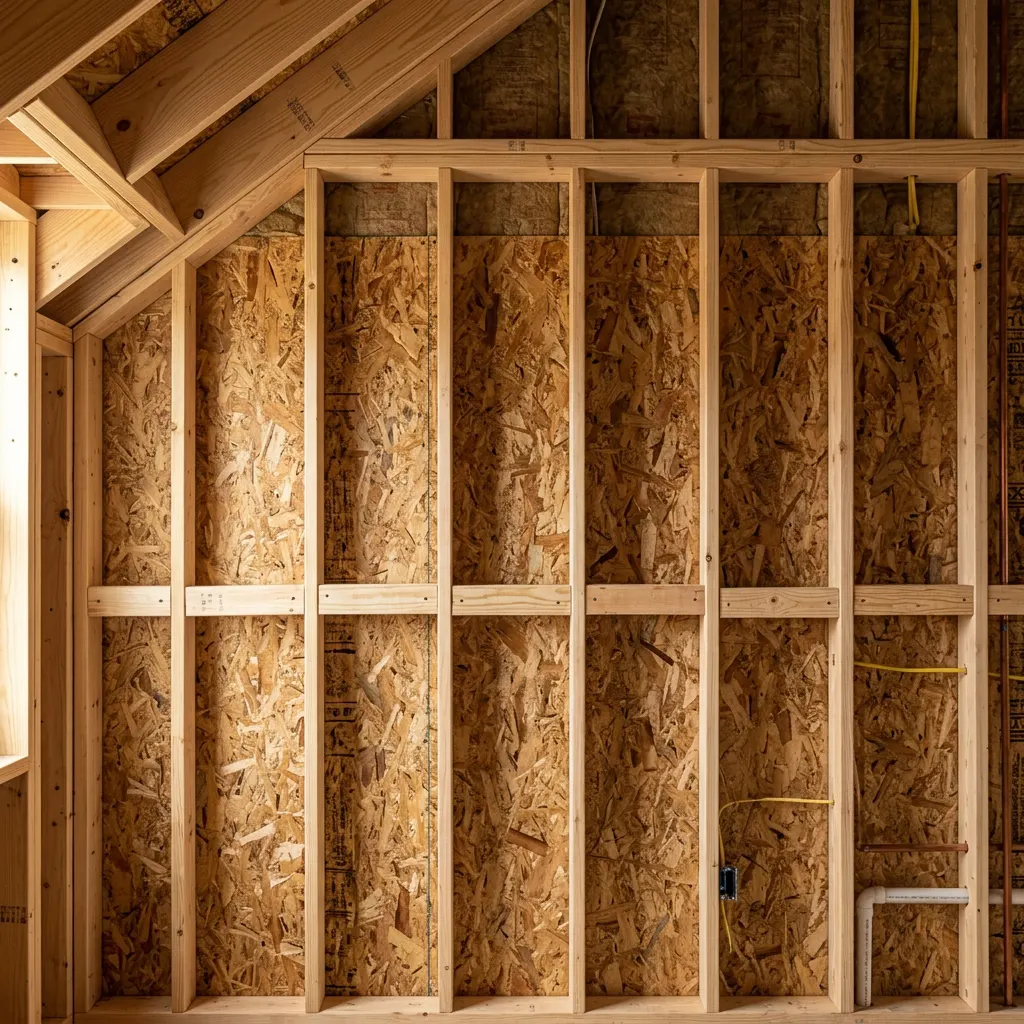
In a two-story home, ask about accessible transitions between attic spaces and the framing below adjacent rooms. Where an air barrier is incomplete, a repair may require reaching the connection rather than spreading insulation across the main attic. The inspection should identify access limits and explain whether more investigation is needed before recommending work in a concealed cavity.
For a vented attic, ask how intake air is kept on its intended path while the insulation layer stays protected. Existing baffles should be evaluated as part of that detail, but the presence of a baffle alone does not establish that every adjacent gap is controlled. Blocking vents to stop air movement is not a substitute for a planned repair.
Homeowners in Leon Springs, NW San Antonio, and elsewhere in Bexar County can bring the same questions to an attic insulation evaluation. Ask the contractor to mark the affected area on photos and distinguish observed gaps from suspected hidden pathways. Avoid entering tight eaves yourself; the information you need is a clear explanation of the assembly and the proposed scope.
Should you air seal, restore blown-in coverage, or change the attic system?
The answer depends on the finding. If there is an accessible missing air barrier or bypass, the plan should address that pathway. If material is displaced or shallow, the plan may also restore coverage. If the observed problem is simply low depth without an identified air path, an appropriately specified top-off may be the relevant option. Ask which part of the recommendation addresses which condition.
Air sealing can be part of a repair, but material selection and placement must suit the assembly. An exposed framing connection and a small ceiling penetration are different details. The estimate should explain the repair area and preparation, including moisture or electrical issues that require attention first. It should also say when access constraints prevent a complete repair.
After the air-control work, blown-in insulation may restore the thermal layer where that method fits the attic. Confirm the product, intended R-value, coverage, and protection of ventilation paths. Changing an entire vented attic to a roofline insulation system is a broader design decision; it should not be treated as the automatic response to one localized comfort complaint.
At handoff, request photos of the corrected connection before it becomes difficult to see, plus records of any restored insulation. Compare the affected room under similar weather and thermostat conditions afterward. Reduced HVAC demand is a possible benefit of correcting a weak envelope, but bill savings depend on the whole home and cannot be promised from one visible gap. Request a free estimate and describe the room, the weather pattern, and any previous attic work.
Expert Note
Do not seal attic vents to test a theory
Have the contractor distinguish intended ventilation from unwanted air paths into insulation and occupied-space framing. A repair should preserve the attic system appropriate to the home.
Questions Answered
Straight answers before you book the estimate.
No. Insulation may be present, but air traveling through or around it can undermine performance. The issue is the relationship between the air-control layer and insulation, not just the amount of material.
No. Uneven installation, service work, storage, pests, and other disturbances can also create thin spots. An inspection should look for the air pathway and surrounding conditions before naming the cause.
A top-off alone does not repair an open air pathway. Where wind washing is confirmed, the scope should address the relevant air-control detail and then restore insulation coverage as needed.
Do not close vents as a trial fix. Intended attic ventilation and unwanted air movement through insulation are different issues. Ask for a repair that preserves the ventilation strategy appropriate to the home.
It can contribute to unwanted heat transfer and uneven comfort. A hot room may also have duct, window, equipment, or other insulation problems, so the cause should be checked before choosing a repair.
Related Routes
Plan your next insulation step
Next Step
Find out why your San Antonio attic insulation is underperforming
Tell Insulation Pros SATX about your attic, comfort concerns, and project plans in San Antonio, Leon Springs, or Bexar County. Call (210) 239-2660 or request a free estimate.
Follow our insulation guides

Related Services
Book the service behind this article
If you are reading this because there is an active issue at home, these are the most relevant Insulation Pros SATX bookings to start with.
Keep Reading
Related Articles
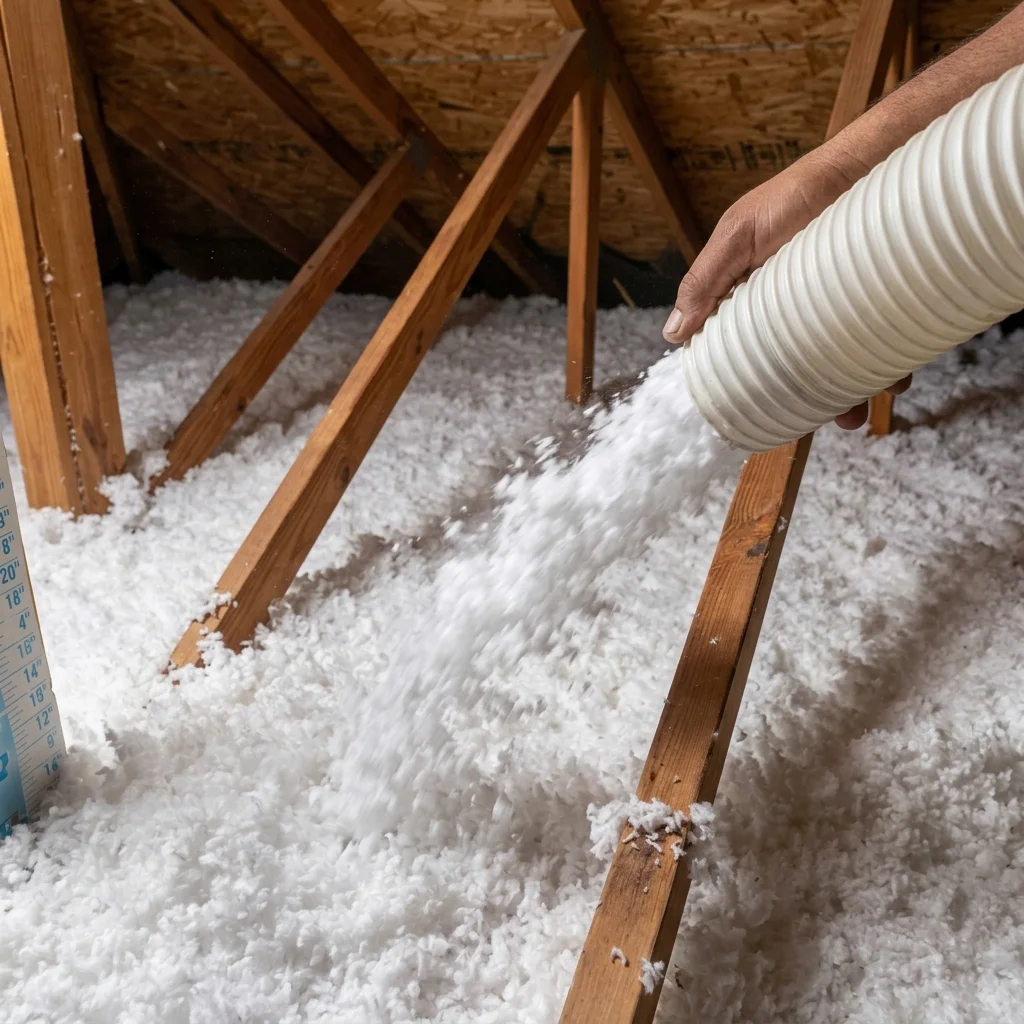
Attic Insulation After Rewiring in San Antonio: Restore Coverage Before the Job Is Closed
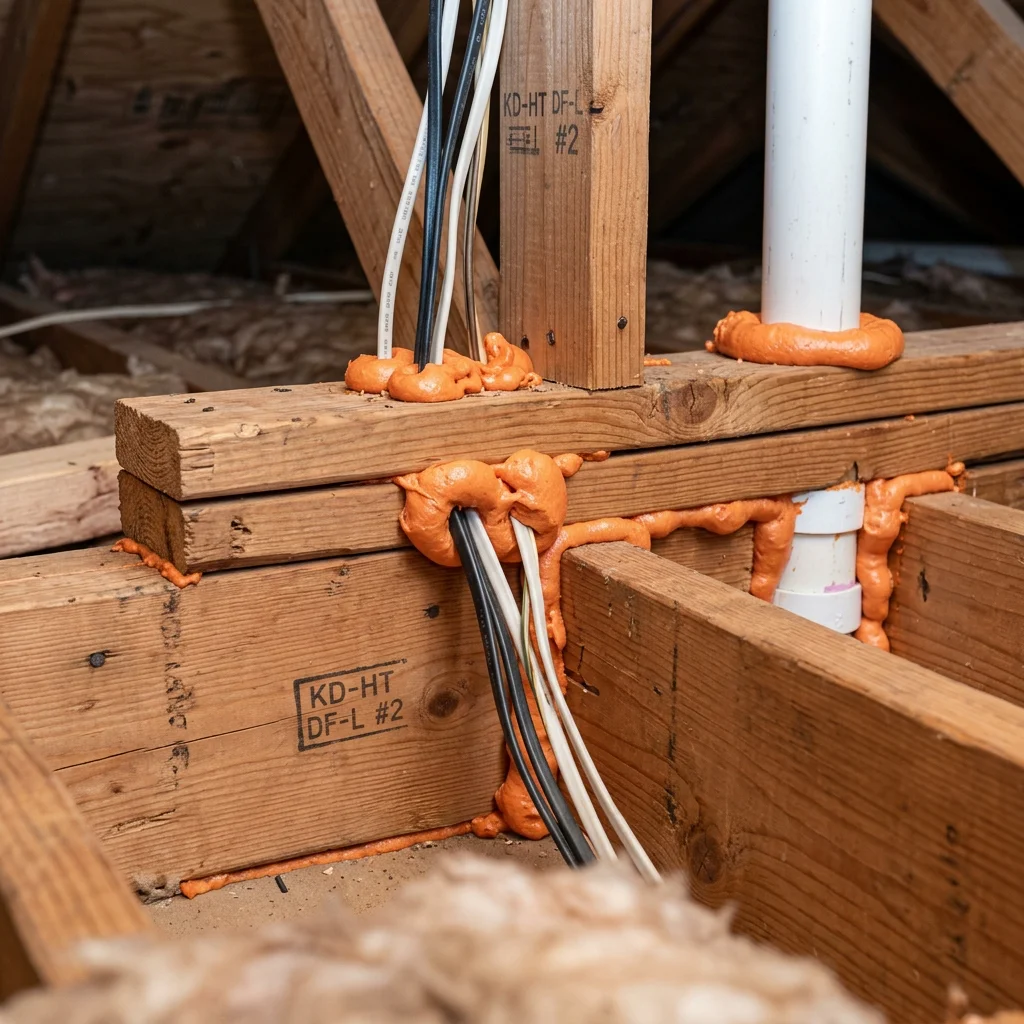
Attic Knee Wall Insulation in San Antonio: Why Short Walls Need a Complete Air Barrier
Raised-Heel Trusses and Attic Insulation in San Antonio New Builds
Need Professional Help?
Insulation Pros SATX helps homeowners across San Antonio, Bexar County, and nearby Central Texas communities with attic insulation, spray foam, blown-in insulation, radiant barrier, crawl space, and removal projects.