
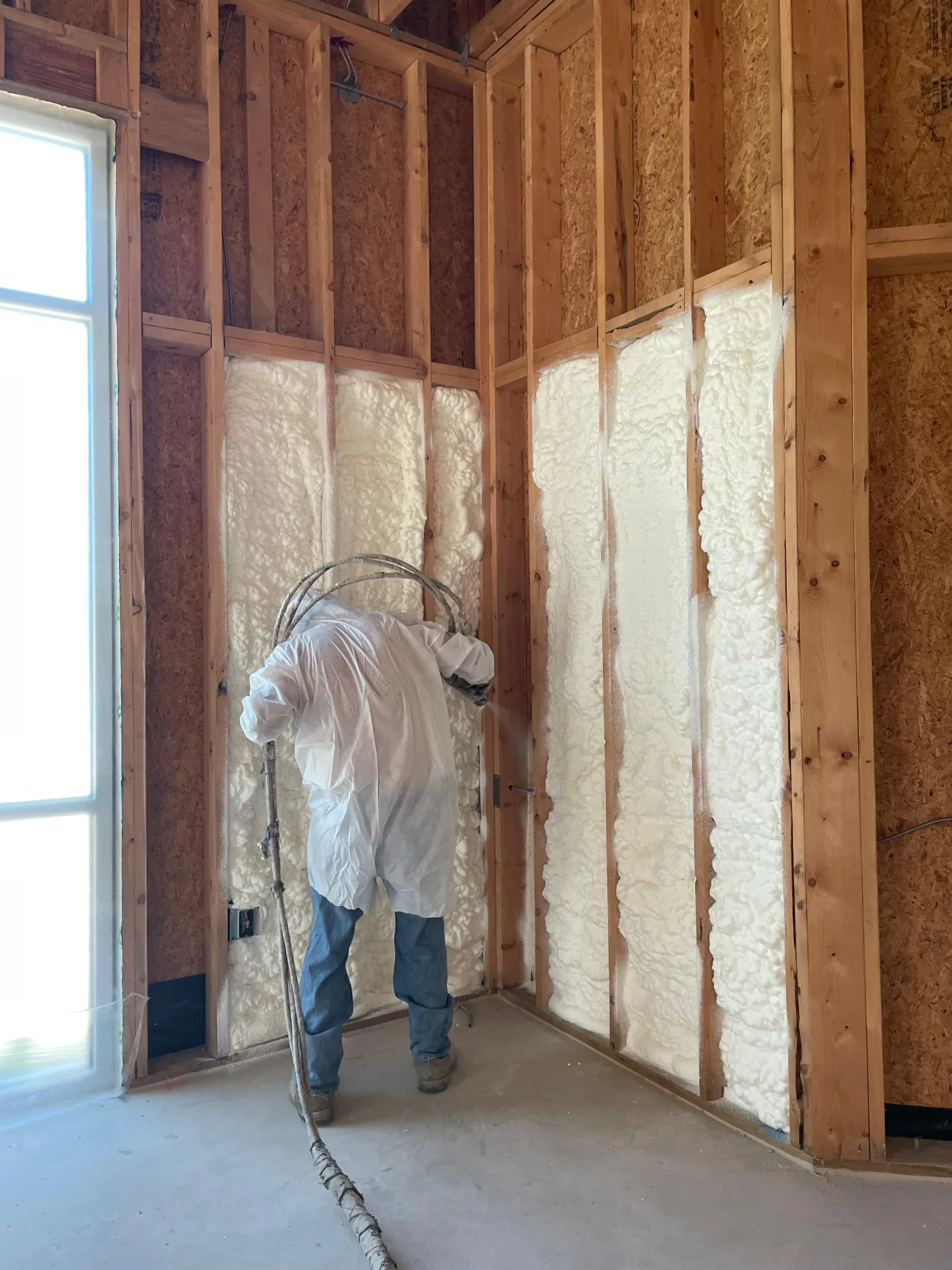
Wall Insulation
Wall Insulation for San Antonio Homes: When Exterior Walls Need Help
Wall insulation can help San Antonio homes with hot rooms, uneven comfort, and exterior walls that transfer heat. Learn when walls should be inspected instead of only focusing on the attic.
Service Insights
Key facts that shape the recommendation.
Wall insulation helps slow heat transfer through exterior walls, especially in rooms hit by afternoon sun.
Hot rooms are not always attic problems; exterior walls, air leaks, ducts, and windows can all contribute.
Older San Antonio homes may have thin, missing, settled, or uneven wall insulation behind finished surfaces.
A wall insulation plan should start with inspection so the fix matches the wall type and comfort issue.
When should San Antonio homeowners think about wall insulation?
San Antonio homeowners should think about wall insulation when one or two rooms stay hot even after the attic has been checked. Exterior walls that face west or south can absorb heavy afternoon sun, then pass heat into bedrooms, offices, nurseries, and bonus rooms. If those rooms feel different from the rest of the house, the wall assembly may need attention.
Wall insulation in San Antonio is different from an attic top-off because the material is behind finished surfaces. That means the right option depends on access, wall cavities, existing insulation, electrical and plumbing conditions, and whether the home is being remodeled. A local inspection helps decide whether walls, attic conditions, duct leakage, or windows are the main comfort driver.
Signs exterior walls may be part of the comfort problem
Wall insulation deserves a closer look when exterior rooms get warm first, walls feel hot to the touch, or the same room is uncomfortable every summer afternoon. You may also notice higher HVAC runtime, uneven temperatures from room to room, or a room that cools only after the sun moves off that side of the house. These signs are common in Bexar County homes with large west-facing walls, garage-adjacent rooms, or additions built to a different standard than the original house.
The attic should still be checked because roof heat affects many San Antonio homes. But if attic insulation depth looks solid and the problem follows exterior wall exposure, wall insulation may be the next place to investigate. The best answer is usually based on where heat is entering, not on a single product recommendation.
Wall insulation options for existing homes
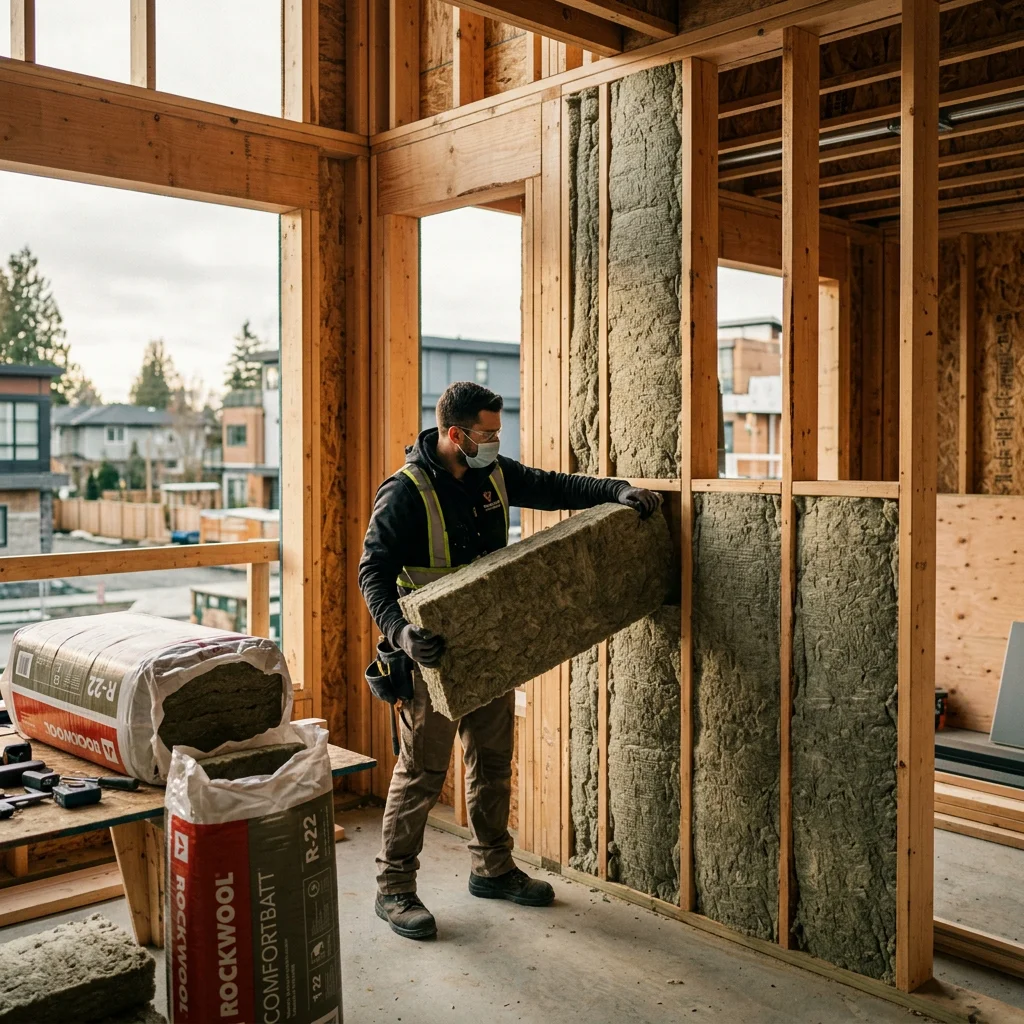
Existing wall insulation options depend on access. During remodels or repairs, open wall cavities may allow batt, blown-in, or spray foam approaches depending on the assembly. For finished walls, the scope must be more careful because cutting, patching, cavity conditions, and moisture behavior all matter.
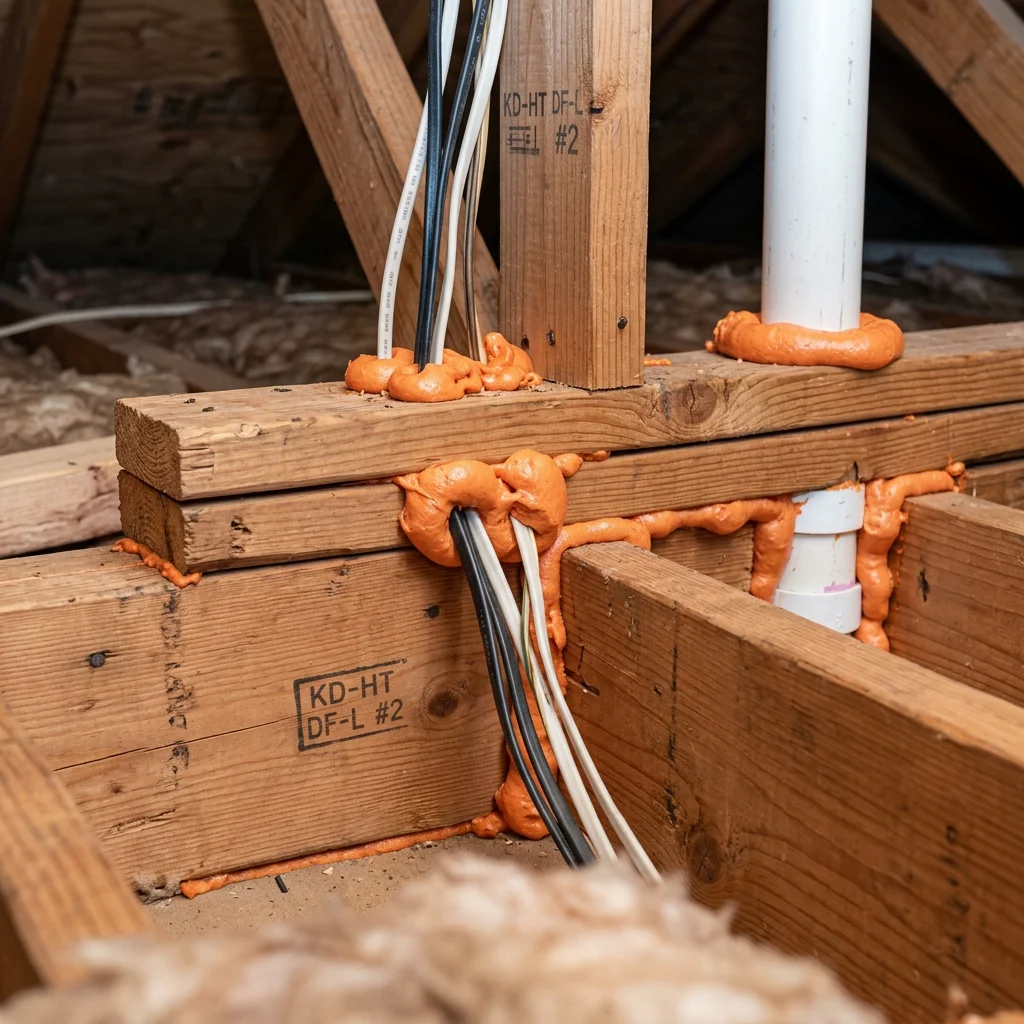
Spray foam insulation can be useful in certain wall and cavity conditions because it can add air sealing and insulation value together. Other homes may be better served by attic improvements, air sealing, or targeted wall work during a renovation. Insulation Pros SATX can inspect the problem room and explain what is practical before any invasive work is planned.
Expert Note
Start with the room, not the product
A hot room may need wall insulation, attic insulation, air sealing, duct repair, or window improvements. A focused inspection helps avoid paying for the wrong fix.
Questions Answered
Straight answers before you book the estimate.
Look for rooms that stay hotter than nearby spaces, exterior walls that feel warm, high HVAC runtime, or comfort problems that follow afternoon sun exposure. An inspection can help separate wall issues from attic, duct, or window problems.
Sometimes. Wall insulation can be added more easily when walls are open during remodeling or repairs. Finished walls require a more careful plan because access, patching, cavity conditions, and moisture behavior matter.
No. Hot rooms can also come from low attic insulation, air leaks, leaky ducts, poor return airflow, windows, or roof exposure. Wall insulation should be considered after the main heat paths are checked.
The right wall insulation depends on the wall type and access. Batt, blown-in, or spray foam approaches may be practical in different situations. A contractor should inspect the cavity and explain what can be installed cleanly.
Often, yes. Because attic heat is a major driver in San Antonio, the attic should usually be inspected first. If attic insulation and air sealing are already in good shape, exterior walls may be the next comfort issue to evaluate.
Related Routes
Trace the heat path before choosing the fix
These services help narrow whether the issue is in the walls, attic, or air barrier.
Wall Insulation
Improve exterior wall comfort when room-by-room heat gain points to the wall assembly.
Learn MoreSpray Foam Insulation
Review cavity and air-sealing options for walls, rooflines, and hard-to-cool rooms.
Learn MoreFree Estimate
Have Insulation Pros SATX inspect the room and explain which upgrade makes sense.
Learn MoreNext Step
Find out why one room will not stay comfortable
Insulation Pros SATX helps homeowners in San Antonio, Leon Springs, Helotes, Alamo Ranch, Stone Oak, and nearby Central Texas communities evaluate wall insulation, attic insulation, air sealing, and spray foam options. Call (210) 239-2660 or request a free estimate.
Follow our insulation guides

Related Services
Book the service behind this article
If you are reading this because there is an active issue at home, these are the most relevant Insulation Pros SATX bookings to start with.
Keep Reading
Related Articles
Attic Insulation Around Solar Panels in San Antonio: What to Check Before and After Roof Work
Attic Insulation and Indoor Humidity in San Antonio: What It Can—and Cannot—Fix
Home Office Insulation in San Antonio: What to Check When One Room Stays Hot
Need Professional Help?
Insulation Pros SATX helps homeowners across San Antonio, Bexar County, and nearby Central Texas communities with attic insulation, spray foam, blown-in insulation, radiant barrier, crawl space, and removal projects.