
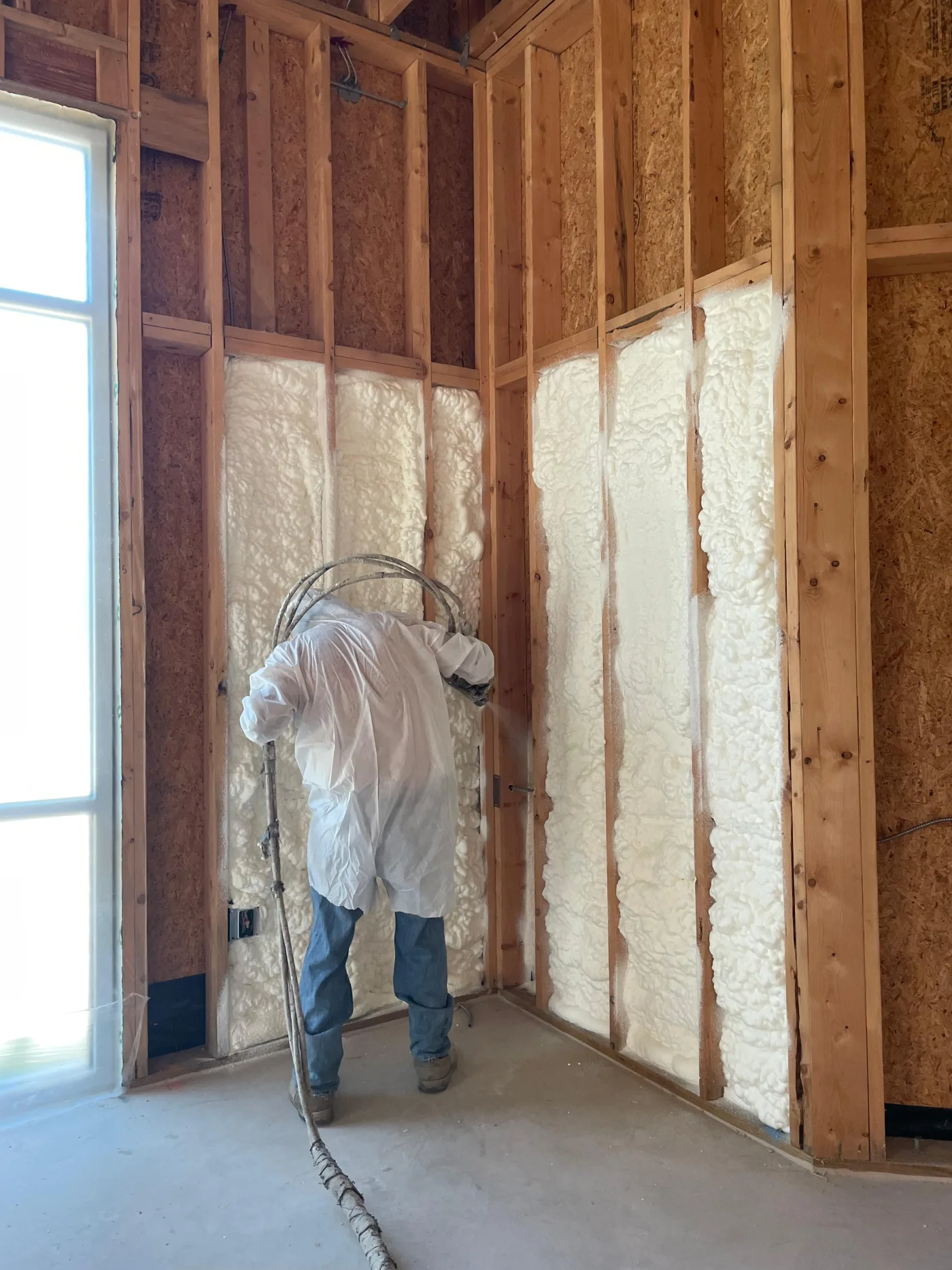
Attic Insulation
Attic Insulation Quotes in San Antonio: How to Compare the Scope
Compare San Antonio attic insulation quotes by measured area, preparation, material, final R-value, exclusions, and completion records before choosing a price.
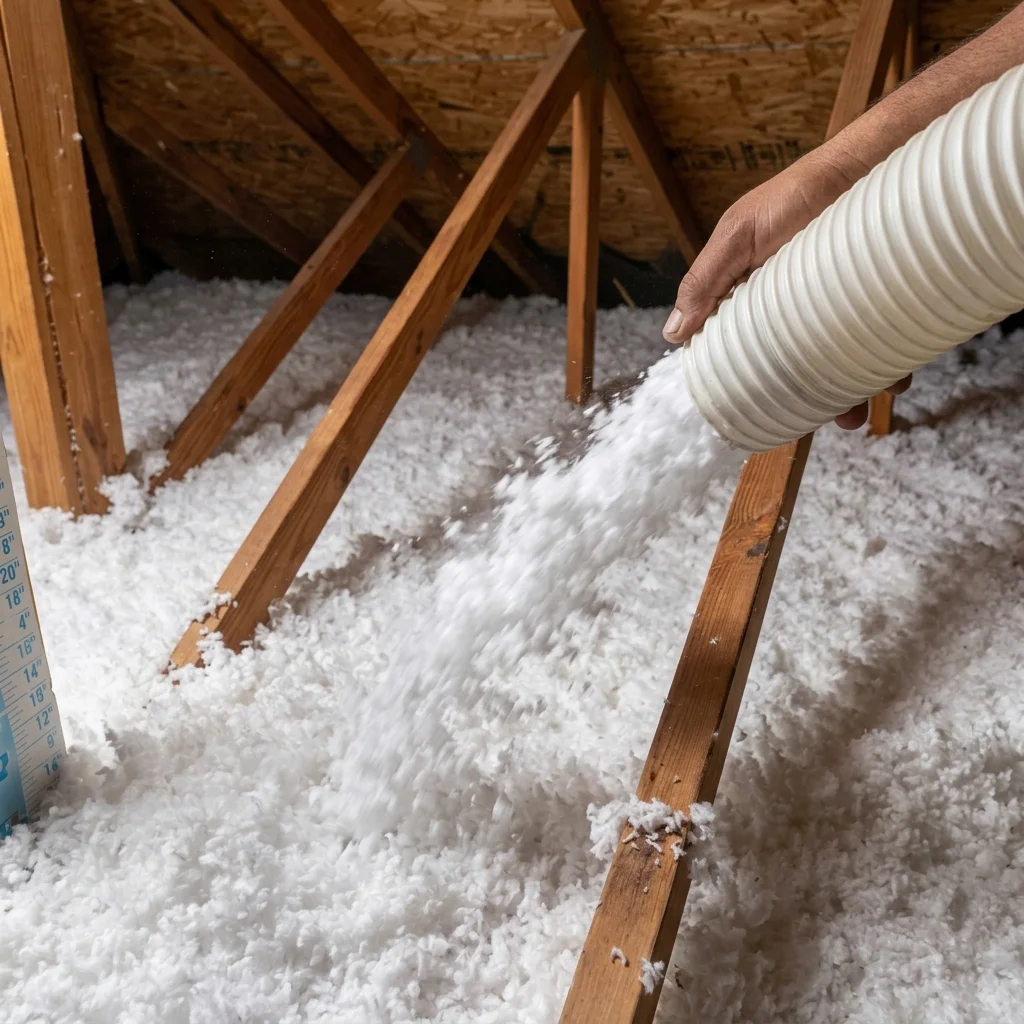
Service Insights
Key facts that shape the recommendation.
Compare measured installation area and preparation before comparing totals.
Distinguish added insulation from the intended final installed R-value.
List air sealing, access limitations, exclusions, and change approvals in writing.
Agree on product records and completion photographs before scheduling.
Compare the same work before comparing the price
The useful way to compare attic insulation quotes in San Antonio is to place the scope side by side: which attic areas are included, what preparation is planned, which product will be installed, and how completion will be documented. Two totals can describe different jobs. A low price for an open attic floor is not directly comparable with a proposal that also addresses difficult perimeter access and selected air leaks.
Start with the comfort problem you want the project to address. Write down the rooms that stay warm in afternoon Texas heat, when the HVAC runs longest, and whether upstairs or perimeter rooms behave differently. Bring the same notes to each estimator. In Leon Springs or NW San Antonio, that room-by-room description is more useful than asking every contractor to sell the thickest layer available.
Ask each company to identify the measured installation area rather than substituting the house’s advertised living area. Attic geometry, additions, inaccessible corners, existing storage, and the location of the thermal boundary can change what is actually included. A proposal should say where work stops and why. Request photographs or a simple annotated sketch if the description is hard to follow.
Use attic insulation services as the starting point for a whole-attic discussion. Choose the scope around the observed condition, then compare prices for equivalent work. This guide is about reading an estimate; it does not provide a standard local price or promise a particular reduction in energy bills.
Ask for material, preparation, and exclusions in writing
A useful material description names the insulation product and the intended final installed R-value. R-value describes resistance to heat flow. Ask whether the quoted target includes the existing material or describes only the added layer. For loose-fill work, ask how the installer will document coverage using the selected product’s installation information rather than a generic inches-to-R-value conversion.
Preparation deserves its own line. Does the price include moving stored items, protecting the access route, correcting disturbed coverage, or inspecting accessible ceiling penetrations? If air sealing is included, ask which accessible gaps will be addressed and which are excluded. A vague phrase such as attic upgrade does not tell you the extent of that work.
For a blown-in insulation quote, ask how the project will handle low eaves, ventilation paths, access openings, and areas that cannot be reached. If removal is proposed, request the reason and the affected area. Material age alone does not explain whether removal is part of this particular project.
Write down exclusions that could change the budget: electrical repairs, roof leaks, exhaust-duct repairs, pest treatment, storage removal, and inaccessible cavities. Ask how additional work would be priced and approved if a concealed condition is discovered. Keep the original scope and the revised scope together so the final invoice is understandable.
Set completion expectations before scheduling
Before accepting an estimate, request a written total, payment schedule, proposed timing, cleanup responsibilities, and any warranty terms. Ask what happens if the crew finds a condition that prevents the planned installation. You should know who pauses the work, who documents the finding, and how you approve a change before the invoice grows.
Agree on the completion record you will receive: the installed product, areas treated, stated final R-value, and photographs showing representative coverage and difficult edges. Ask whether an insulation certificate or product information will be provided where applicable. A picture of one deep spot does not establish uniform coverage throughout the attic.
Keep savings discussions specific. Insulation can help reduce heat transfer, but an estimate should not guarantee your future utility bill without a defensible home-specific basis. Weather, thermostat settings, duct condition, HVAC equipment, and household use affect the result. Compare comfort after the work under reasonably similar conditions and keep the completion record for future maintenance.
If one proposal is much cheaper, ask which line items explain the difference before rejecting either company. If the scopes still differ, request a revision using the same area and preparation assumptions. For a clear starting point in San Antonio or Bexar County, request a free estimate and bring your room notes and any existing attic photographs.
Expert Note
Ask one clarifying question before choosing
If two estimates differ sharply, ask each estimator to identify the area, preparation, and exclusions behind the total. Request equivalent scopes before deciding.
Questions Answered
Straight answers before you book the estimate.
The proposals may cover different areas, preparation, products, access conditions, or exclusions. Compare those items line by line before treating the totals as equivalent.
Ask for the intended final installed R-value and whether it includes existing material. Also ask how the selected product and coverage will be documented.
Do not assume it is. Ask which accessible gaps are included, what preparation is required, and what is excluded from the written scope.
Agree in advance on product information, treated areas, completion photographs, and the stated installed R-value. Keep those records with the invoice and warranty terms.
Future bills depend on weather, HVAC performance, thermostat settings, and household use as well as insulation. Ask for the assumptions behind any savings estimate rather than relying on a universal percentage.
Related Routes
Plan your next insulation step
Next Step
Get a clear attic insulation scope for your San Antonio home
Tell Insulation Pros SATX which rooms feel uncomfortable and what you have noticed in the attic. Request a free insulation estimate for your San Antonio or Bexar County home.
Follow our insulation guides

Related Services
Book the service behind this article
If you are reading this because there is an active issue at home, these are the most relevant Insulation Pros SATX bookings to start with.
Keep Reading
Related Articles
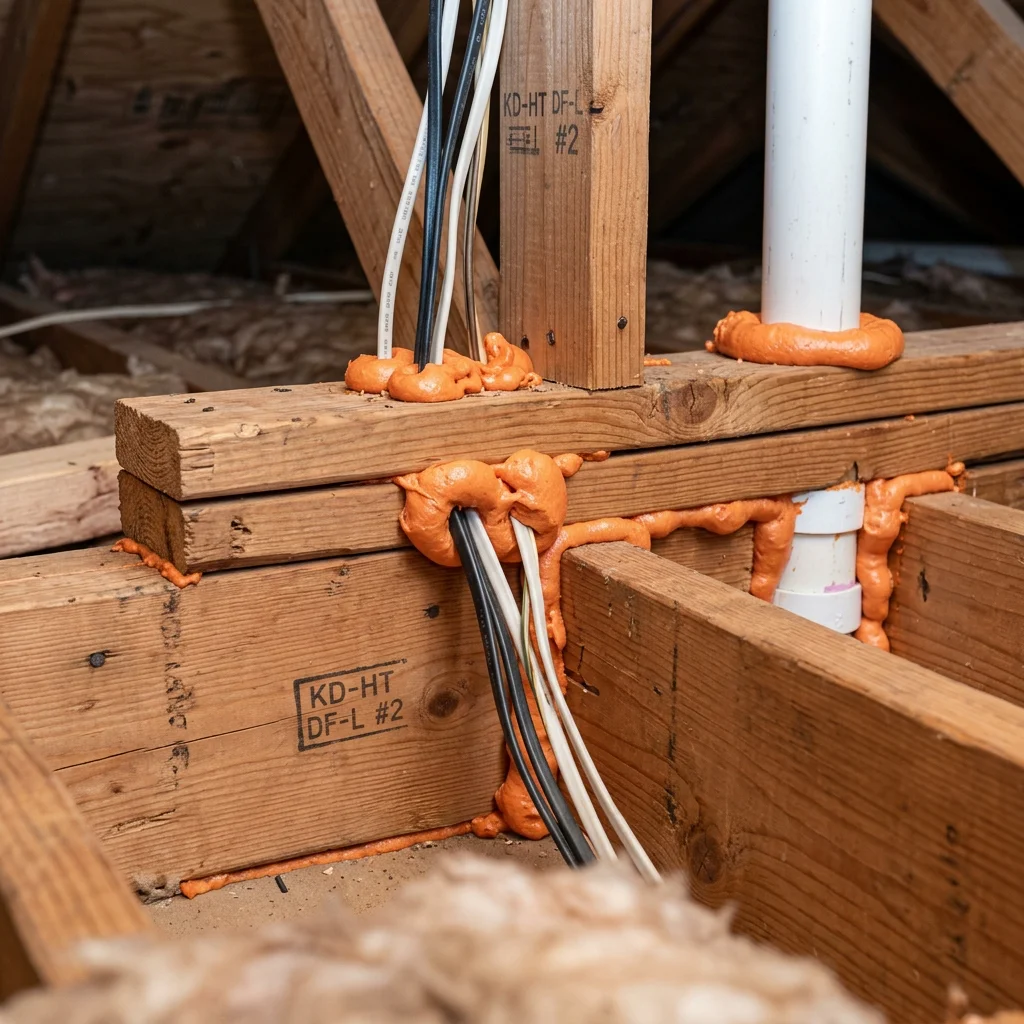
Attic Knee Wall Insulation in San Antonio: Why Short Walls Need a Complete Air Barrier
Attic Insulation After Rewiring in San Antonio: Restore Coverage Before the Job Is Closed
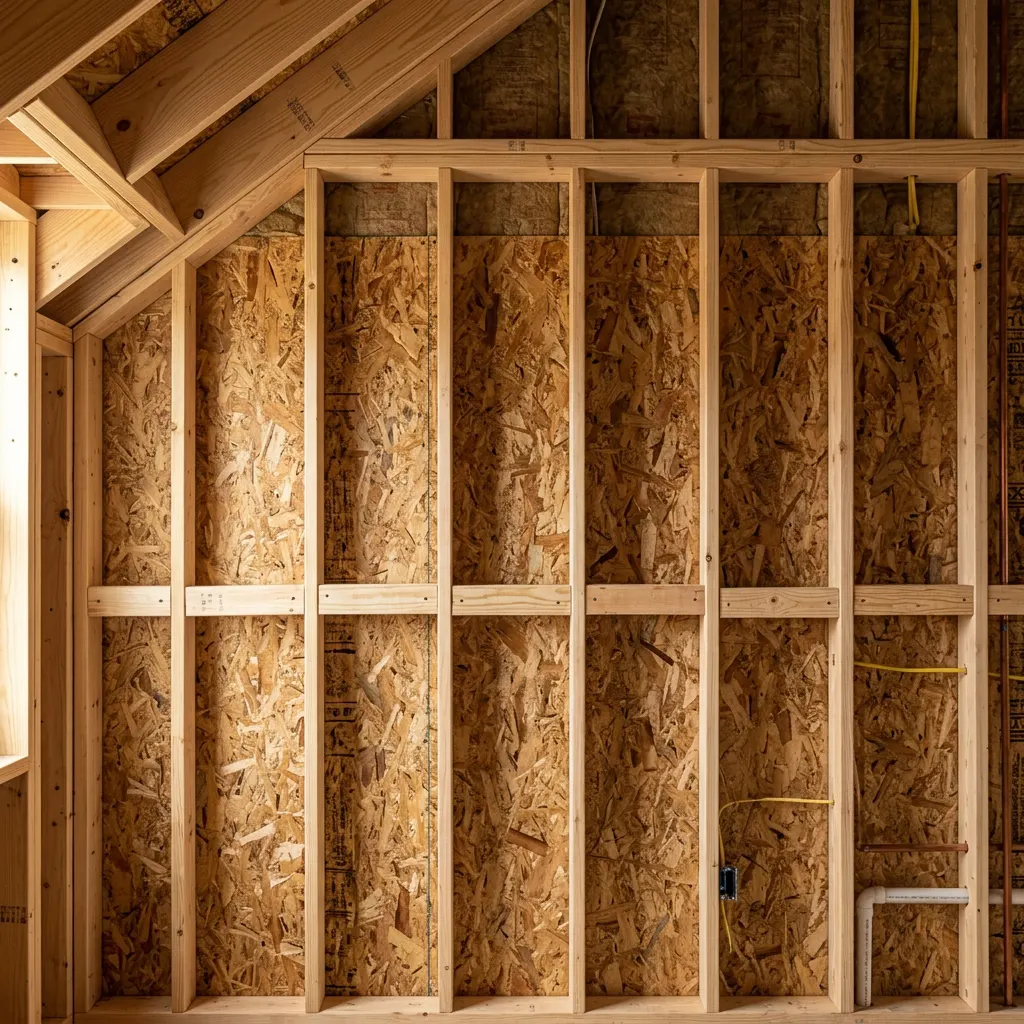
Raised-Heel Trusses and Attic Insulation in San Antonio New Builds
Need Professional Help?
Insulation Pros SATX helps homeowners across San Antonio, Bexar County, and nearby Central Texas communities with attic insulation, spray foam, blown-in insulation, radiant barrier, crawl space, and removal projects.