
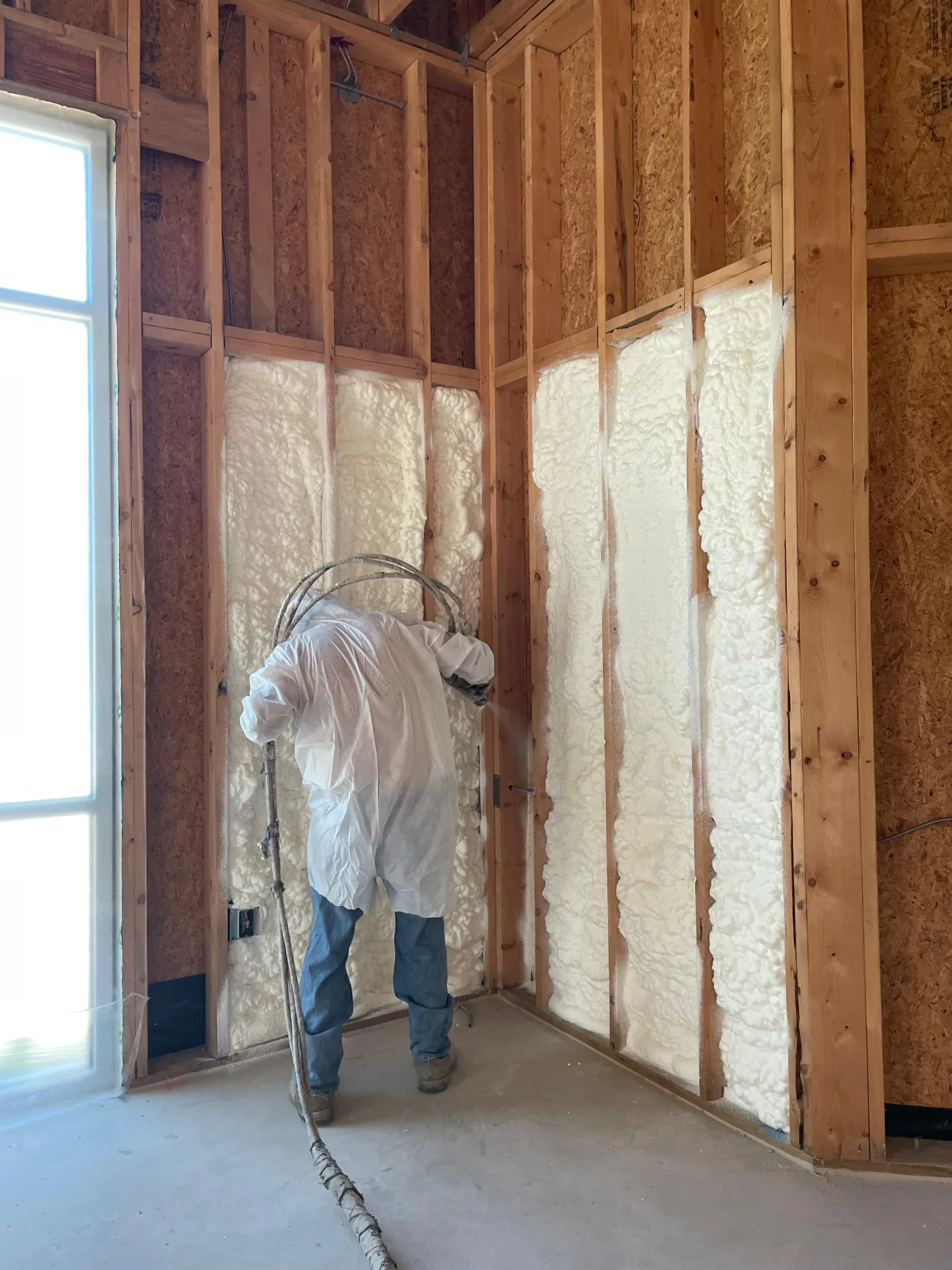
Radiant Barrier
Stone Oak Radiant Barrier in San Antonio: When Roof Heat Is the Real Problem
Stone Oak homes with hot upstairs rooms, large rooflines, and long afternoon sun may benefit from radiant barrier, but only after attic insulation depth, airflow, and air leaks are checked.
Service Insights
Key facts that shape the recommendation.
Radiant barrier helps address radiant roof heat, but it should be compared against insulation depth, air sealing, and attic airflow first.
Stone Oak homes with larger rooflines and upstairs rooms can feel roof heat strongly during San Antonio afternoons.
Radiant barrier is not a substitute for missing attic insulation or unresolved air leaks.
The right attic plan may combine radiant barrier with attic insulation correction, blown-in depth, or air sealing details.
The short answer: radiant barrier helps roof heat, not every attic problem
Stone Oak radiant barrier in San Antonio is worth discussing when roof heat is the main driver of hot rooms. The direct answer: radiant barrier can help reduce radiant heat from the roof deck, but it should not be treated as a cure for low insulation depth, open air leaks, or damaged attic material. A good attic plan checks the basics first, then decides whether radiant barrier belongs.
This matters in Stone Oak, north San Antonio, Timberwood Park edges, Loop 1604 corridors, and nearby Bexar County neighborhoods with larger rooflines and strong afternoon exposure. When attic temperatures climb, the roof deck radiates heat toward the attic floor and the rooms below. A radiant barrier can reduce that radiant load when installed in the right conditions.
The key is sequencing. If the attic is thin, patchy, or leaky, fix those basics before expecting a reflective layer to solve comfort. If insulation depth and airflow are already reasonable, radiant barrier may be the next practical heat-control layer for Stone Oak homes.
When Stone Oak homes should consider radiant barrier
Radiant barrier becomes a stronger candidate when the attic has intense roof heat, rooms heat up in the afternoon, and the existing attic insulation is already in decent condition. It is especially relevant when the roofline is large, upstairs rooms sit under broad attic areas, or comfort problems track closely with sun exposure. The homeowner should still verify the attic floor before choosing the roof-deck solution.
If attic insulation is too low or uneven, attic insulation or blown-in insulation may need to come first. If attic bypasses are open, air sealing insulation can keep hot attic air from moving into the house. Radiant barrier works best as part of that complete attic decision, not as a stand-alone shortcut.
The Stone Oak service area page covers the north San Antonio comfort patterns we see most often. Many calls start with upstairs rooms that will not cool evenly. The right estimate should explain whether roof heat, attic depth, air movement, or a mix of all three is driving the issue.
How to compare radiant barrier with spray foam or blown-in insulation
Radiant barrier, spray foam, and blown-in insulation solve different problems. Radiant barrier reflects roof heat, blown-in insulation restores depth across the attic floor, and spray foam insulation can create a different air-sealing strategy for certain assemblies. The best option depends on where the heat is entering and what the attic already has.
For many vented attics, the first question is whether the ceiling plane has enough clean insulation and whether vents remain open. If those details are weak, a radiant barrier quote alone may leave the main problem untouched. If those details are solid and the roof deck is still loading the attic with heat, radiant barrier becomes easier to justify.
If your Stone Oak home has hot upstairs rooms, high cooling bills, or a roofline that bakes all afternoon, Insulation Pros SATX can inspect the attic and compare your options clearly. You will get a recommendation based on attic conditions, not a one-product answer. Request a free estimate for a practical radiant barrier and insulation plan.
Expert Note
Compare the heat source first
Radiant barrier fits roof-deck heat. If the attic floor is thin or leaky, insulation depth and air sealing may need to come first.
Questions Answered
Straight answers before you book the estimate.
It can help when radiant roof heat is a major part of the comfort problem. The attic should still be checked for insulation depth, air leaks, ventilation, and existing material condition first.
Not always. Radiant barrier reflects roof heat, while attic insulation slows heat transfer through the ceiling. If insulation depth is low, adding or correcting insulation may need to come first.
Radiant barrier may help if roof heat is driving the upstairs problem, but hot rooms can also come from low attic insulation, air leaks, duct conditions, sun exposure, or HVAC issues.
The right choice depends on attic type, ventilation, existing insulation, air leaks, moisture concerns, and budget. Spray foam and radiant barrier solve different problems and should be compared after inspection.
It should include attic insulation depth, roof-deck exposure, ventilation paths, air leaks, attic access, damaged material, and a clear explanation of whether radiant barrier fits the home.
Related Routes
Compare roof heat solutions for Stone Oak homes
These services help decide whether radiant barrier belongs in the attic plan.
Next Step
Find out if radiant barrier fits your Stone Oak attic
Insulation Pros SATX compares radiant barrier, attic insulation depth, air sealing needs, roof heat, and spray foam options for homeowners in Stone Oak, north San Antonio, Leon Springs, Helotes, Alamo Ranch, Boerne, and nearby Bexar County communities. Call (210) 239-2660 or request a free estimate.
Follow our insulation guides

Related Services
Book the service behind this article
If you are reading this because there is an active issue at home, these are the most relevant Insulation Pros SATX bookings to start with.
Keep Reading
Related Articles
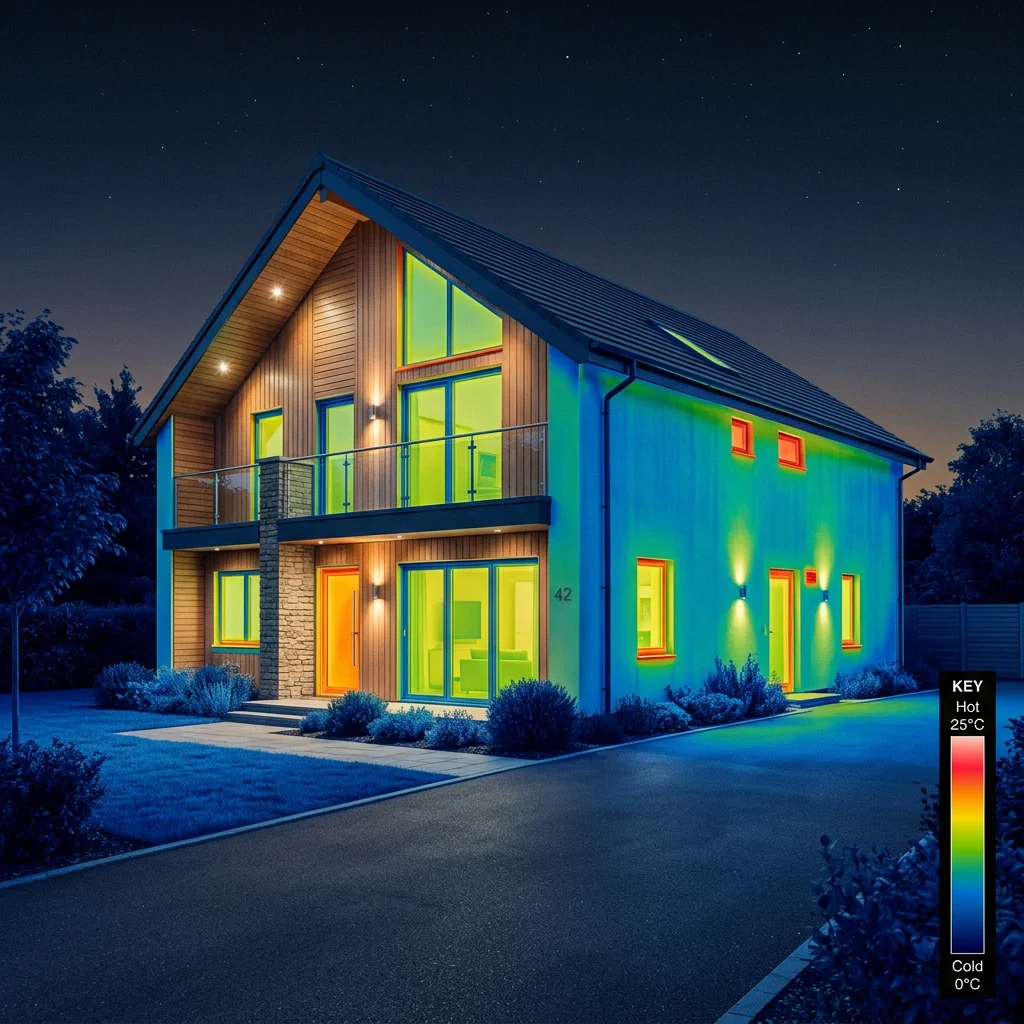
Radiant Barrier Over Existing Insulation in San Antonio: When It Makes Sense
Radiant Barrier Roof Decks in San Antonio: When They Help
Attic Insulation vs. Radiant Barrier in San Antonio: Which Comes First?
Need Professional Help?
Insulation Pros SATX helps homeowners across San Antonio, Bexar County, and nearby Central Texas communities with attic insulation, spray foam, blown-in insulation, radiant barrier, crawl space, and removal projects.