
Radiant Barrier
Radiant Barrier Roof Decks in San Antonio: When They Help
Radiant barrier can help San Antonio attics handle roof heat, but it is not a replacement for insulation depth, air sealing, or a practical attic plan.
Service Insights
Key facts that shape the recommendation.
A radiant barrier helps reflect roof-deck heat before it loads the attic, which can matter in long San Antonio summers.
It is most useful when the attic already has a reasonable insulation plan and the roofline receives heavy sun exposure.
Radiant barrier does not replace attic insulation, air sealing, ventilation review, or damaged insulation cleanup.
The right recommendation depends on roof pitch, attic access, existing R-value, duct location, and the rooms that run hot.
What a radiant barrier roof deck does
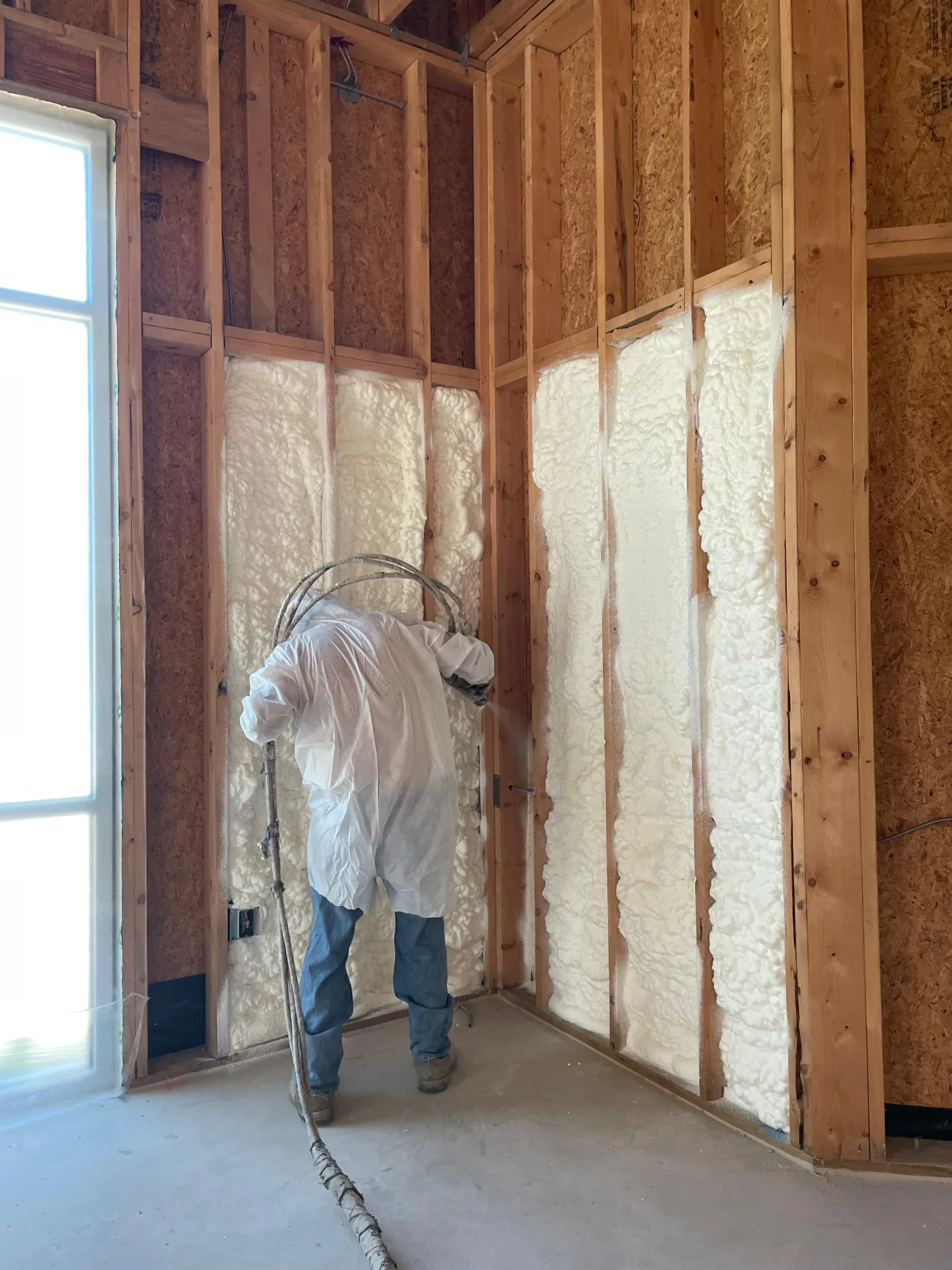
A radiant barrier roof deck helps manage radiant heat from the roof surface before that heat loads the attic. In San Antonio, Bexar County, and NW San Antonio neighborhoods, roof heat can build for hours and make the attic work against the cooling system. The barrier is not magic and it is not the same as insulation; it is a reflective layer that works best when installed with the right air space and attic conditions.
For homeowners, the practical question is whether radiant barrier should come before, after, or alongside attic insulation improvements. If the attic is thin, dirty, or full of open ceiling leaks, radiant barrier alone will not solve the main comfort problem. If the attic insulation is already in decent shape and roof heat is still a major load, radiant barrier can be worth reviewing.
When radiant barrier makes sense in San Antonio
Radiant barrier makes the most sense when roof-deck heat is a clear part of the problem. That often means a home with a large sun-exposed roof, hot attic surfaces, ductwork in the attic, upstairs rooms that gain heat late in the day, or an attic that stays hot after sunset. Homes around Leon Springs, Alamo Ranch, Helotes, Stone Oak, and other exposed Central Texas areas can be good candidates when the attic layout supports the work.
It is usually not the first fix when the attic has shallow blown-in coverage, missing insulation, open bypasses, or old material that needs cleanup. In those cases, the stronger first step may be blown-in insulation, air sealing, or selective removal before adding a heat-reflective layer. The best attic plan should explain what is causing the hot rooms and what each upgrade is supposed to change.
Radiant barrier vs attic insulation
Radiant barrier and attic insulation solve different parts of the heat problem. Insulation slows heat transfer through the ceiling into the living space. Radiant barrier helps reduce radiant heat loading inside the attic before that heat reaches ducts, framing, stored air, and the insulation layer below.
For a San Antonio homeowner, the right order depends on the current attic. If ceiling insulation is low, the attic boundary should usually be corrected first. If insulation depth is acceptable but the attic still acts like a heat reservoir, a radiant barrier roof-deck review can be a practical next conversation before summer HVAC runtime climbs.
Expert Note
Do not use radiant barrier as a shortcut around attic basics
If the attic is under-insulated, leaky, contaminated, or uneven, fix those basics first. Radiant barrier performs best as part of a complete attic plan, not as a substitute for insulation and air sealing.
Questions Answered
Straight answers before you book the estimate.
Radiant barrier can help San Antonio attics when roof-deck heat is a major part of the comfort problem. It works best when the attic already has a sensible insulation and air-sealing plan.
Radiant barrier is not better than attic insulation because it does a different job. Insulation slows heat moving through the ceiling, while radiant barrier helps reflect roof heat inside the attic.
The right location depends on the attic design, access, roofline, and existing insulation. A roof-deck approach is often considered when the goal is to reduce radiant heat loading from the roof surface.
It can support lower HVAC runtime when attic heat is contributing to cooling load, but results depend on the whole attic system, duct location, insulation depth, air leaks, and how the home is used.
Before installing radiant barrier, check attic insulation depth, air leaks, moisture signs, ventilation, duct condition, roof-deck access, and whether old insulation needs cleanup or leveling first.
Related Routes
Build the right attic heat plan
These services help decide whether radiant barrier, attic insulation, or a combined scope fits the home.
Radiant Barrier
Review reflective attic heat control for San Antonio roofs and hot attic spaces.
Learn MoreAttic Insulation
Measure insulation depth and decide whether the ceiling boundary needs work first.
Learn MoreFree Estimate
Have Insulation Pros SATX inspect the attic and explain the right upgrade order.
Learn MoreNext Step
Find out if radiant barrier belongs in your attic plan
Insulation Pros SATX reviews roof-deck heat, insulation depth, air leaks, duct conditions, and attic access for homeowners across San Antonio, Leon Springs, Helotes, Alamo Ranch, Stone Oak, and nearby Bexar County communities. Call (210) 239-2660 or request a free estimate.
Follow our insulation guides

Related Services
Book the service behind this article
If you are reading this because there is an active issue at home, these are the most relevant Insulation Pros SATX bookings to start with.
Keep Reading
Related Articles
Stone Oak Radiant Barrier in San Antonio: When Roof Heat Is the Real Problem
Radiant Barrier Over Existing Insulation in San Antonio: When It Makes Sense
Attic Insulation vs. Radiant Barrier in San Antonio: Which Comes First?
Need Professional Help?
Insulation Pros SATX helps homeowners across San Antonio, Bexar County, and nearby Central Texas communities with attic insulation, spray foam, blown-in insulation, radiant barrier, crawl space, and removal projects.