
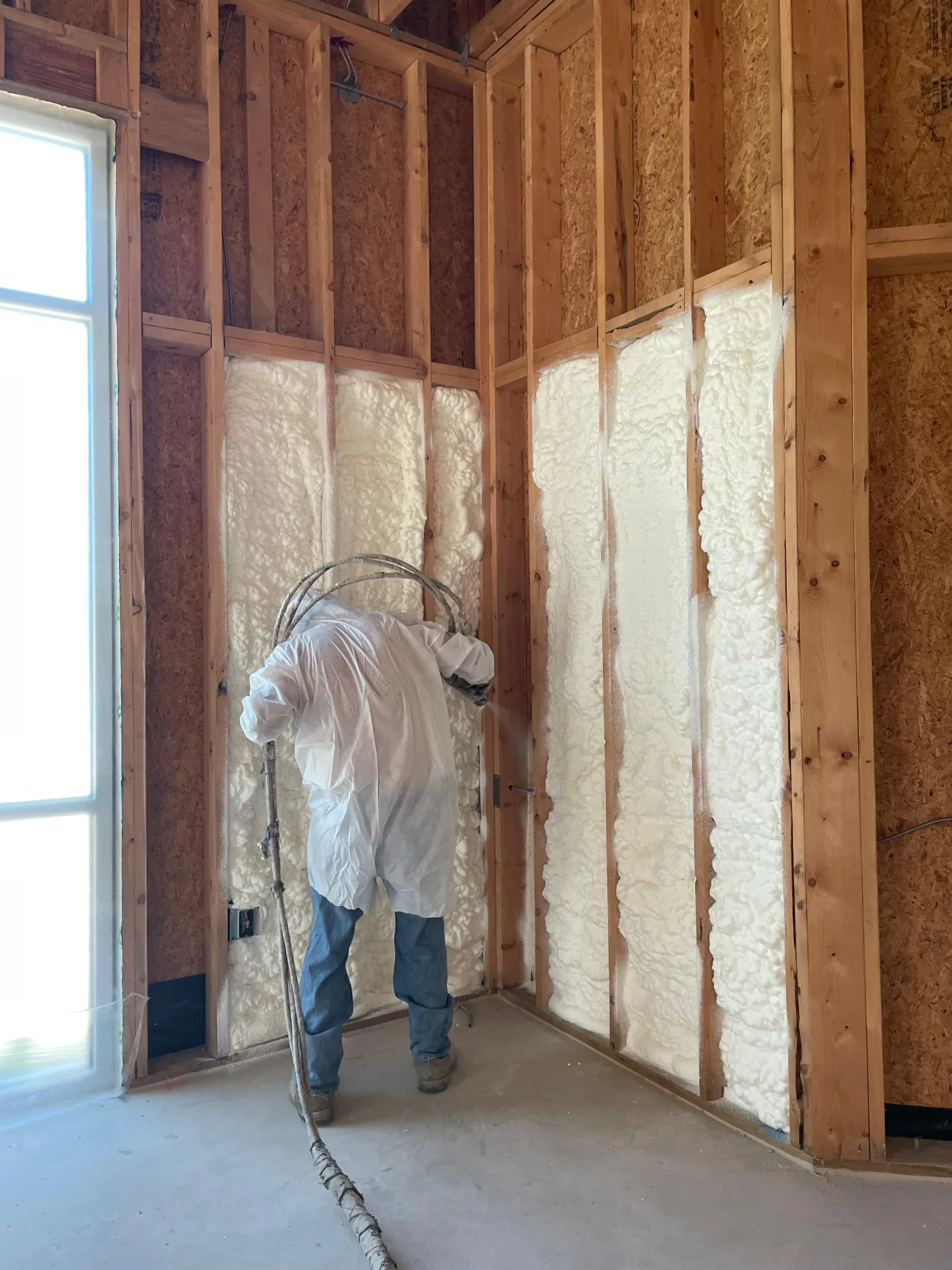
Attic Insulation
Blown-In Insulation Depth for San Antonio Attics: How Much Is Enough?
Most San Antonio attics need more insulation depth than homeowners expect. Learn how blown-in insulation depth affects R-value, comfort, HVAC runtime, and summer energy bills.
Service Insights
Key facts that shape the recommendation.
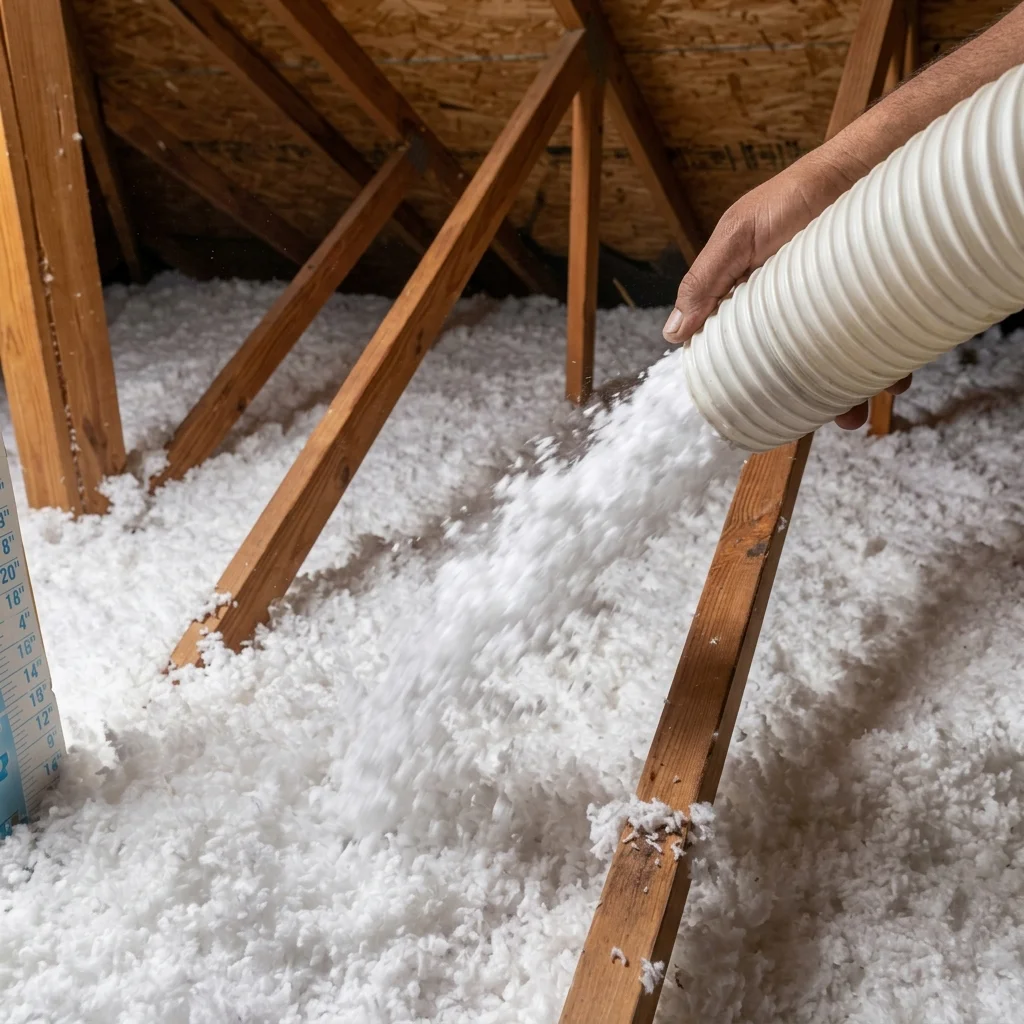
Blown-in insulation depth matters because attic R-value depends on both material type and installed thickness.
Many older San Antonio homes have settled attic insulation that no longer slows summer heat effectively.
A top-off can be practical when the existing insulation is clean, dry, and evenly distributed.
Removal should come first when insulation is wet, contaminated, compressed, or damaged by pests.
How much blown-in insulation does a San Antonio attic need?
A San Antonio attic usually needs enough blown-in insulation to reach the target R-value for Texas heat, not just enough material to look covered. The exact depth depends on whether the attic uses fiberglass, cellulose, or another loose-fill product, because each material delivers a different R-value per inch. That is why a proper attic check starts with measuring the current depth, looking for thin spots, and identifying air leaks before adding more material.
For most homeowners, the practical answer is this: if your attic insulation is below the joist tops, uneven across the attic, or visibly compressed, it is probably not doing enough in a San Antonio summer. Blown-in attic insulation in San Antonio is commonly used to restore coverage because it fills around framing, wiring, and irregular attic spaces better than batts. Insulation Pros SATX can inspect the attic, estimate the current R-value, and recommend whether a clean top-off is enough.
Why depth affects comfort, HVAC runtime, and energy bills
Attic insulation is the buffer between a superheated roof deck and the rooms below it. When the blown-in layer is too shallow, heat moves through the ceiling faster, bedrooms feel warmer, and the HVAC system has to run longer to hold the thermostat setting. This is especially noticeable in Bexar County homes with west-facing roof planes, older ductwork, or bonus rooms that already struggle during late afternoon heat.
More depth is not the only factor, though. Air sealing around ceiling penetrations, bath fans, attic hatches, recessed lights, and top plates can matter just as much as the insulation itself. A good attic insulation San Antonio plan checks both the thermal layer and the air barrier so the new blown-in material performs as intended.
When a top-off works and when removal comes first
A blown-in insulation top-off is usually the cleanest option when the existing material is dry, loose, and free of contamination. In that case, adding the right depth can improve coverage without tearing out useful insulation. This approach is common in NW San Antonio homes where the attic has simply settled over time or was underfilled when the home was built.
Removal is the better first step if the attic has wet insulation, rodent activity, smoke odor, heavy dust, or matted-down sections that will not recover. Adding new blown-in material over bad insulation can hide the problem and reduce performance. If the attic needs cleanup first, start with insulation removal in San Antonio, then install a clean new layer at the right depth.
Expert Note
Quick homeowner check
If you can see ceiling joists clearly across the attic, the insulation layer may be too shallow. Do not walk through the attic without proper access boards and lighting. A free inspection is safer and more accurate.
Questions Answered
Straight answers before you book the estimate.
The right blown-in insulation depth depends on the material and the R-value target for the attic. A contractor should measure the existing depth, identify the material type, check for settled areas, and calculate how much additional insulation is needed.
Yes, if the old insulation is clean, dry, loose, and not contaminated. If it is wet, moldy, damaged, compressed, or affected by pests, removal should happen before adding new blown-in insulation.
It can help when the hot room is affected by low attic insulation, thin coverage, or heat transfer through the ceiling. If the room also has duct leakage, air leaks, or window heat gain, those issues should be checked too.
Blown-in insulation is often better for attic top-offs because it fills around framing, wires, pipes, and uneven spaces. Batts can work in some areas, but gaps and compression reduce performance.
Look for uneven coverage, visible joists, low spots around attic edges, or areas where insulation looks packed down. The most reliable check is a measured attic inspection that compares depth against the material type.
Related Routes
Plan the right attic upgrade
These services help determine whether your attic needs more depth, air sealing, or a clean reset.
Blown-In Insulation
Restore thin attic coverage with loose-fill insulation designed for uneven attic spaces.
Learn MoreAttic Insulation
Measure attic depth, air leaks, and R-value needs for San Antonio heat.
Learn MoreFree Estimate
Ask Insulation Pros SATX to inspect your attic and recommend the next step.
Learn MoreNext Step
Find out if your attic has enough insulation depth
Insulation Pros SATX checks attic depth, coverage, air leaks, and removal needs for homeowners across San Antonio, Leon Springs, Helotes, Alamo Ranch, and nearby Bexar County communities. Call (210) 239-2660 or request a free estimate.
Follow our insulation guides

Related Services
Book the service behind this article
If you are reading this because there is an active issue at home, these are the most relevant Insulation Pros SATX bookings to start with.
Keep Reading
Related Articles
Attic Insulation Around Solar Panels in San Antonio: What to Check Before and After Roof Work
Can You Add Attic Insulation in Summer? A San Antonio Homeowner Guide
Shavano Park Attic Insulation: What to Check When Upstairs Rooms Stay Warm
Need Professional Help?
Insulation Pros SATX helps homeowners across San Antonio, Bexar County, and nearby Central Texas communities with attic insulation, spray foam, blown-in insulation, radiant barrier, crawl space, and removal projects.