
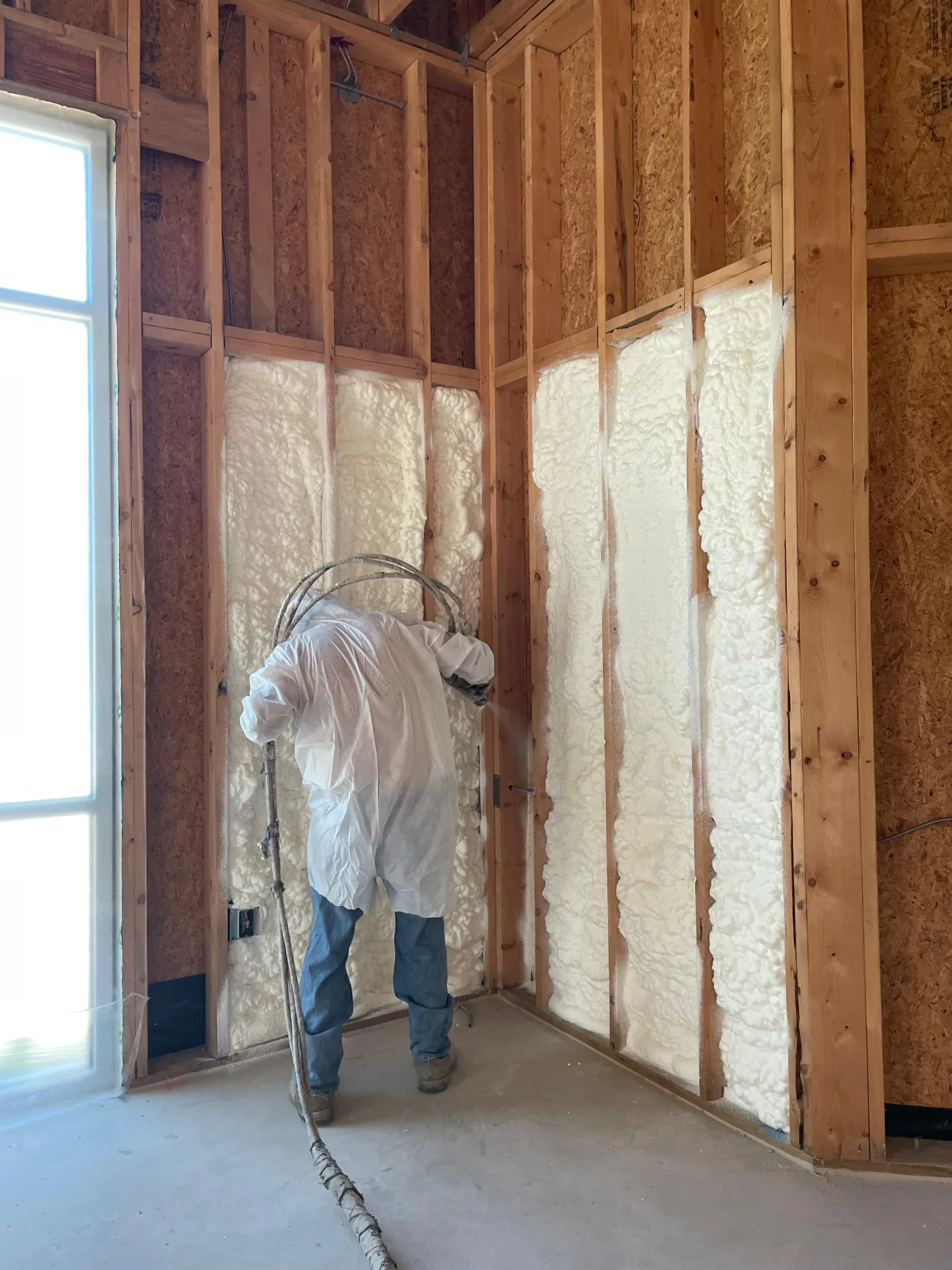
Spray Foam Insulation
Vented vs. Unvented Attics in San Antonio: How Insulation Choices Change
Vented and unvented attics need different insulation plans in San Antonio, especially when comparing blown-in attic coverage, spray foam roof decks, and radiant barrier.
Service Insights
Key facts that shape the recommendation.
A vented attic usually keeps insulation on the attic floor and allows outside air to move through soffit, ridge, or roof vents.
An unvented attic usually moves the thermal boundary to the roof deck, often with spray foam insulation.
Mixing strategies without a plan can create comfort, moisture, or performance problems.
San Antonio homeowners should compare attic design, HVAC location, roof heat, and budget before choosing the insulation approach.
What is the difference between vented and unvented attics?
Vented vs unvented attic insulation in San Antonio comes down to where the home draws its thermal boundary. In a typical vented attic, insulation sits on the attic floor above the ceiling, and the attic itself remains outside the conditioned space. In an unvented attic, insulation is installed at the roof deck so the attic is brought closer to the conditioned side of the house.
The direct answer: most existing San Antonio homes with standard vented attics start with attic insulation, air sealing, and depth correction at the attic floor. Unvented attic assemblies are more specialized and are commonly discussed when using spray foam at the roof deck, especially when ducts or equipment are in a very hot attic. The right choice depends on the house, not on a single product preference.
This distinction matters because San Antonio attics carry extreme roof heat for much of the year. A vented attic strategy tries to protect the ceiling plane from that heat. An unvented strategy changes the attic environment itself by moving the insulation line upward.
| Factor | Vented attic | Unvented attic |
|---|---|---|
| Where the thermal boundary sits | At the ceiling, between the attic and the living space | At the roofline, between the roof deck and the attic |
| Where insulation goes | On the attic floor | Against the underside of the roof deck |
| Attic air | Intentionally connected to outdoor air through soffit and ridge vents | Sealed from outdoor air; vents are closed off as part of the assembly |
| Attic temperature in summer | Runs close to outdoor conditions and heats up with the roof | Runs closer to indoor conditions |
| Ductwork and equipment in the attic | Sits outside the thermal boundary, in the hot zone | Sits inside the thermal boundary |
| Converting from one to the other | The common existing condition in most homes | A deliberate assembly change, not an insulation top-off |
When a vented attic strategy makes sense
A vented attic strategy often makes sense when the existing attic ventilation is functioning, the attic floor is accessible, and the homeowner needs a practical comfort upgrade without changing the roof assembly. In that case, the work may include air sealing penetrations, correcting low or uneven insulation depth, and using blown-in insulation to restore coverage across the attic floor. This is common for older San Antonio homes where the attic is simply under-insulated.
Radiant barrier can also be part of a vented attic conversation because it addresses radiant roof heat before that heat loads the attic space. It does not replace attic insulation, but it can support the overall system when roof heat is a major driver. The estimate should explain whether the home needs depth, air sealing, radiant heat control, or a combination.
The main caution is that ventilation and insulation should work together. Burying soffit vents, skipping air sealing, or adding material over damaged insulation can weaken the result. A practical vented attic plan protects airflow where it is needed and improves the thermal layer where it is weak.
When an unvented spray foam attic may fit
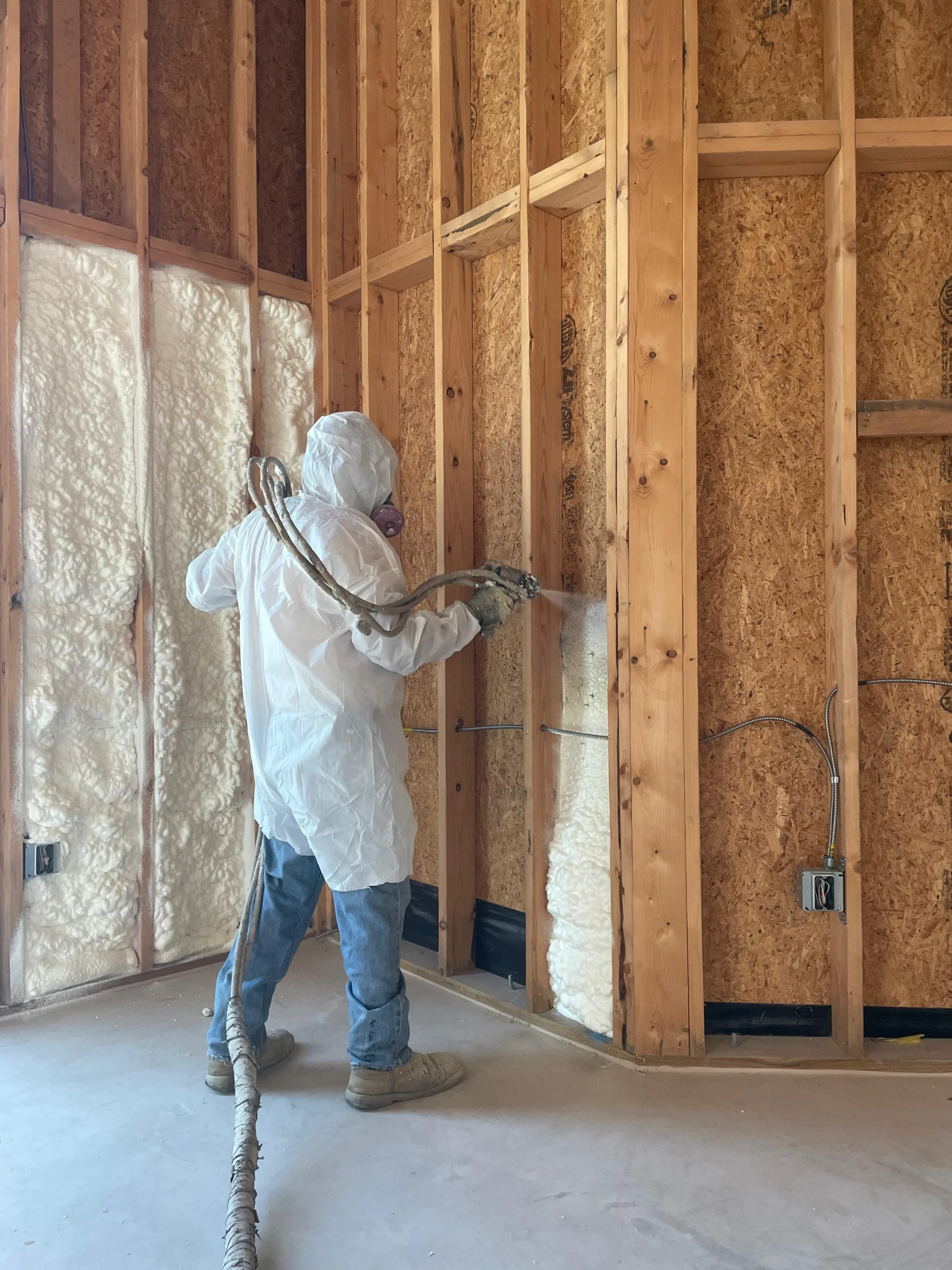
An unvented attic may fit when the goal is to insulate the roof deck and bring the attic closer to the conditioned space. This is usually a spray foam insulation discussion because spray foam can provide insulation and air sealing at the roofline. It can be useful when ductwork or mechanical equipment sits in a very hot attic, or when the home design makes roofline insulation more appropriate than attic-floor insulation.
The key is that an unvented attic is a system change. The scope needs to account for existing vents, roof deck conditions, moisture control, access, HVAC combustion considerations when relevant, and what happens to old attic-floor insulation. That is why homeowners should avoid partial roof-deck work that does not clearly explain how the attic will perform after the change.
For homes in San Antonio, Leon Springs, Stone Oak, Boerne, and nearby Central Texas areas, the best next step is a field review rather than an online answer. If you are deciding between attic-floor insulation and roof-deck spray foam, request a free estimate and ask which attic strategy your home is currently built for.
Expert Note
Do not mix attic strategies casually
A vented attic and an unvented attic are different assemblies. Before changing venting, roof-deck insulation, or attic-floor insulation, make sure the estimate explains the full attic strategy.
Questions Answered
Straight answers before you book the estimate.
A vented attic has outside air moving through attic vents while insulation usually sits on the attic floor above the ceiling. The attic remains outside the conditioned living space.
An unvented attic typically moves the insulation layer to the roof deck, often with spray foam. The attic is brought closer to the conditioned side of the home instead of being vented like a traditional attic.
Neither is automatically better. Blown-in insulation often fits vented attic-floor upgrades, while spray foam roof deck insulation can fit unvented attic strategies or hard-to-control attic heat. The home design should decide.
Yes, radiant barrier is commonly discussed with vented attics because it reflects roof heat before that heat loads the attic. It supports attic insulation but does not replace the need for proper insulation depth.
Start with an attic inspection that checks ventilation, insulation depth, air leaks, roofline conditions, duct location, moisture signs, and comfort complaints. The recommendation should explain whether your home should stay vented or consider an unvented approach.
Related Routes
Compare the attic options
These service pages explain the insulation paths most often discussed for vented and unvented attic decisions.
Next Step
Choose the right attic insulation strategy
Insulation Pros SATX helps homeowners compare attic-floor insulation, spray foam roof deck insulation, radiant barrier, and air sealing options across San Antonio, Bexar County, Leon Springs, Helotes, Stone Oak, Boerne, and nearby Central Texas areas. Call (210) 239-2660 or request a free estimate.
Follow our insulation guides

Related Services
Book the service behind this article
If you are reading this because there is an active issue at home, these are the most relevant Insulation Pros SATX bookings to start with.
Keep Reading
Related Articles
Bulverde Spray Foam Insulation: When a Roofline Plan Fits the Home
Canyon Lake Spray Foam Insulation: When Air Sealing Beats a Simple Top-Off
Open-Cell vs. Closed-Cell Spray Foam for Texas Homes
Need Professional Help?
Insulation Pros SATX helps homeowners across San Antonio, Bexar County, and nearby Central Texas communities with attic insulation, spray foam, blown-in insulation, radiant barrier, crawl space, and removal projects.