
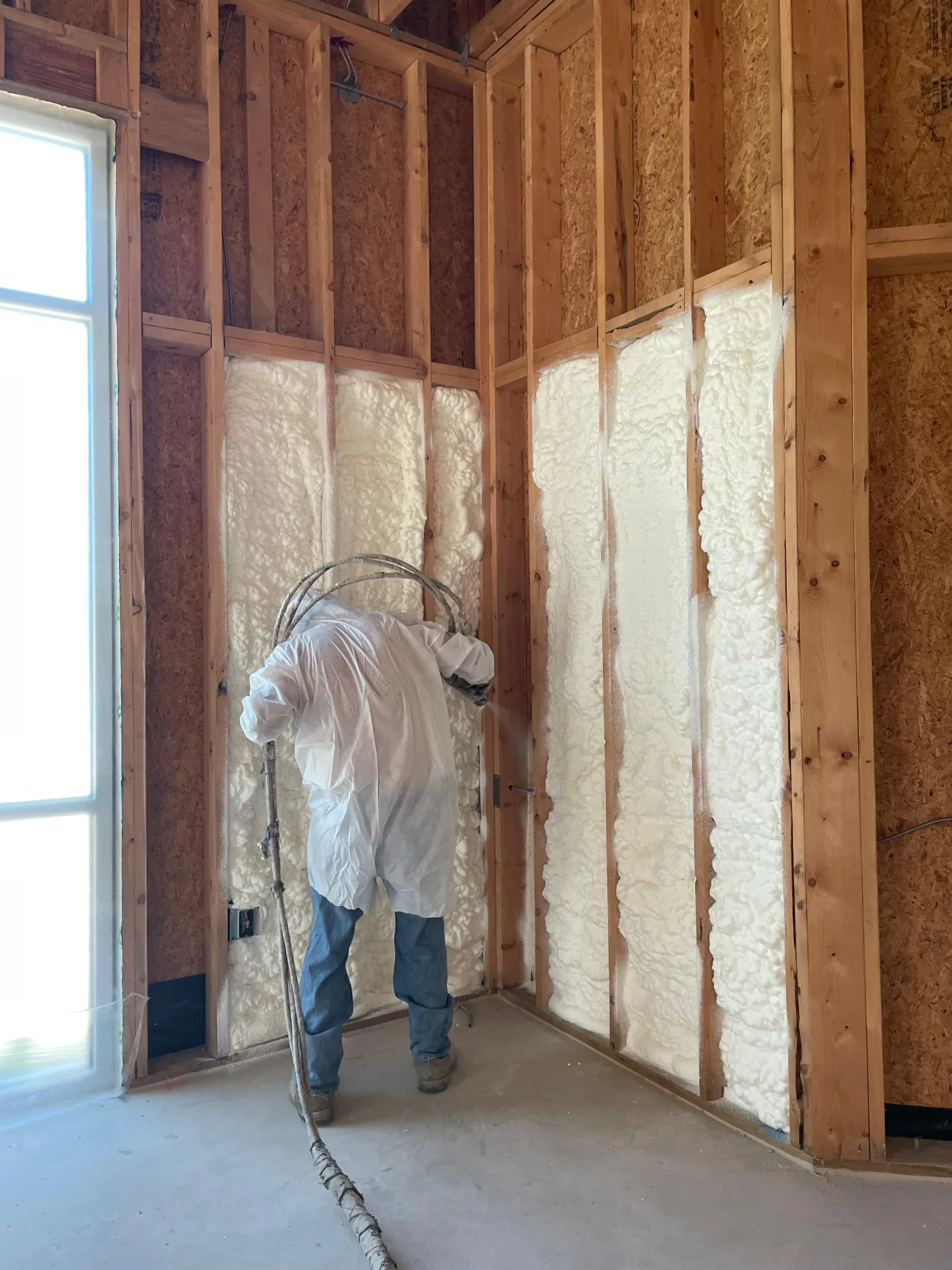
Crawl Space Insulation
Crawl Space Moisture and Insulation in San Antonio: What to Fix First
Crawl space insulation should not be installed over moisture problems. San Antonio and Central Texas homeowners should check drainage, wet material, air gaps, and floor comfort before rebuilding the layer.
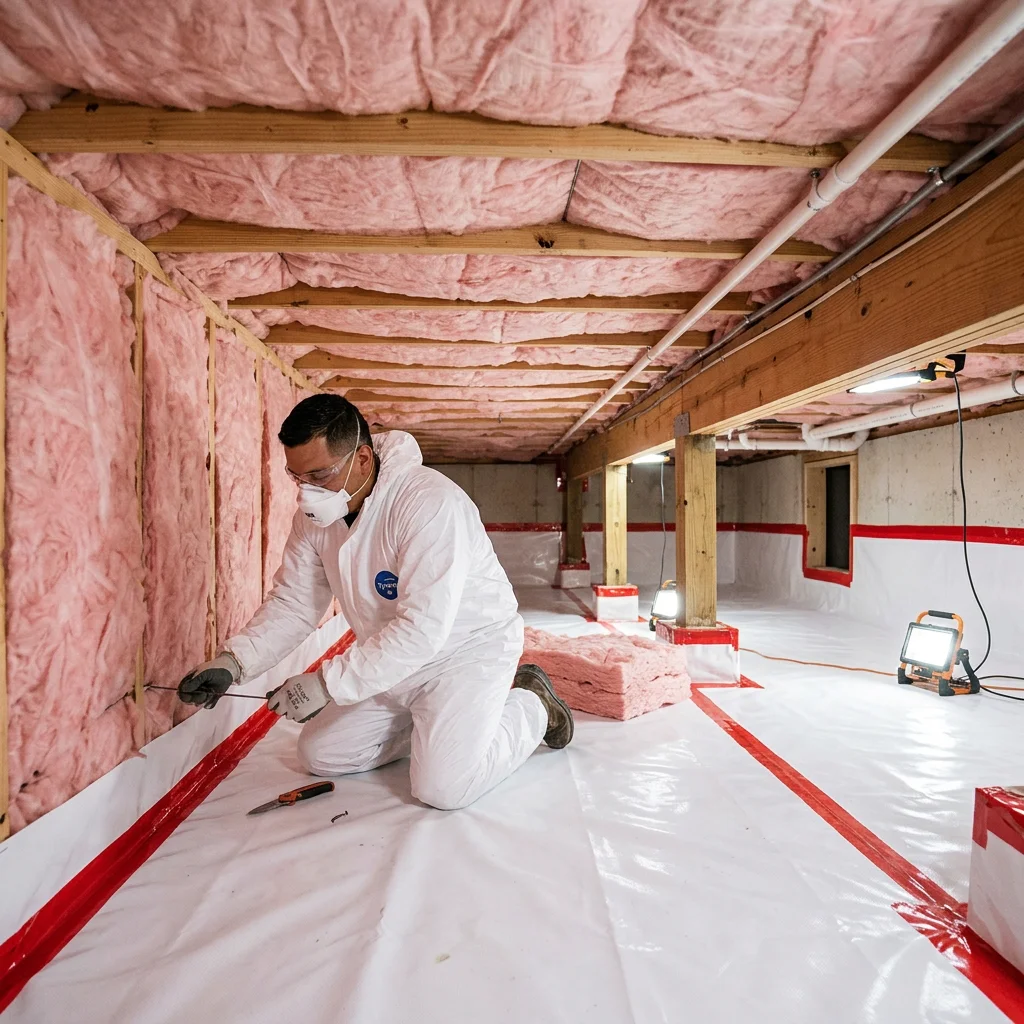
Service Insights
Key facts that shape the recommendation.
Crawl space insulation should not be installed over active moisture, wet material, or unresolved drainage concerns.
San Antonio crawl spaces and pier-and-beam homes need a clean sequence: inspect, fix moisture sources, remove bad material, then rebuild insulation.
Cold or hot floors, musty odors, sagging insulation, and visible dampness are signs the crawl space needs attention.
The right scope depends on the crawl space condition, floor assembly, air gaps, access, and whether existing insulation can stay.
The short answer: moisture comes before insulation
Crawl space moisture insulation in San Antonio should be handled in the right order. The direct answer: do not add new crawl space insulation until active moisture, wet material, drainage concerns, and obvious air gaps have been reviewed. Insulation can help floor comfort, but it should not be used to hide a damp crawl space.
This applies to pier-and-beam homes, older houses, additions, and crawl space areas across San Antonio, Bexar County, Leon Springs, Helotes, Boerne, and nearby Central Texas communities. When the crawl space is damp or the old material is sagging, the floor above can feel uncomfortable and the insulation layer may no longer be doing its job. A good crawl space insulation plan starts below the floor, not with a generic material recommendation.
The goal is a clean sequence. Inspect the crawl space, identify moisture clues, remove material that should not stay, seal practical gaps, then rebuild insulation where it fits the home. That sequence protects the new work and gives the homeowner a clearer comfort plan.
What to check before adding crawl space insulation
Start with signs of water or dampness. Look for wet soil, staining, musty odor, sagging insulation, corrosion, water marks, or material that feels heavy and dirty. If those clues are present, the insulation conversation should include what changed and whether the moisture source has been corrected.
Next, check whether old insulation can stay. Material that is dry, secure, and clean may be part of the final plan. Material that is wet, pest-damaged, falling down, moldy, or packed with debris may need insulation removal before anything new is installed.
Air gaps matter too. Open rim areas, floor penetrations, plumbing gaps, and access points can move air under the floor and weaken comfort. Depending on the crawl space, air sealing insulation details may belong in the same scope as the floor insulation.
How a clean crawl space insulation plan is sequenced
A clean plan starts with access and safety. The crawl space has to be reachable enough to inspect the floor assembly, existing insulation, air gaps, and obvious moisture clues. If access is limited, that should be part of the estimate discussion before the homeowner expects a simple same-day top-off.
Then the scope should separate moisture correction from insulation installation. Insulation Pros SATX can evaluate the insulation condition and explain what should be removed or rebuilt, but active water, plumbing, or drainage problems may need to be corrected before insulation work is completed. That keeps the new insulation from being exposed to the same problem that damaged the old layer.
If your San Antonio crawl space has damp insulation, sagging material, uncomfortable floors, or musty signs, start with an inspection instead of guessing. A local crawl space check can clarify whether the home needs removal, air sealing, replacement insulation, or another moisture-first step. Request a free estimate for a practical plan under the floor.
Expert Note
Do not insulate over active moisture
New insulation can fail quickly if the crawl space still has damp soil, water entry, wet material, or unresolved drainage concerns.
Questions Answered
Straight answers before you book the estimate.
Yes. Active moisture, wet material, and drainage concerns should be reviewed before new crawl space insulation is installed.
Sometimes damp material can dry, but insulation that is wet, heavy, moldy, pest-damaged, or falling down should be inspected for removal before replacement is considered.
Common signs include sagging insulation, musty odor, cold or hot floors, visible dampness, dirty material, pest evidence, and gaps where insulation no longer touches the floor assembly.
Some pier-and-beam and crawl space homes benefit from floor insulation, but the right answer depends on the crawl space condition, access, moisture, air gaps, and comfort complaints.
It can help when air gaps around penetrations, rim areas, or access points are moving air under the floor. Air sealing should be considered alongside insulation when conditions allow.
Related Routes
Fix the crawl space in the right order
These services help separate moisture, removal, air sealing, and floor insulation decisions.
Crawl Space Insulation
Inspect the floor assembly, old material, access, and comfort problems below the home.
Learn MoreInsulation Removal
Remove wet, sagging, pest-damaged, or contaminated material before rebuilding.
Learn MoreAir Sealing Insulation
Review practical air leaks that can weaken floor comfort and insulation performance.
Learn MoreNext Step
Get a crawl space insulation plan that starts with the real problem
Insulation Pros SATX inspects crawl space insulation condition, damp material, sagging coverage, floor comfort, and practical air gaps for homeowners across San Antonio, Bexar County, Leon Springs, Helotes, Boerne, and nearby Central Texas communities. Call (210) 239-2660 or request a free estimate.
Follow our insulation guides

Related Services
Book the service behind this article
If you are reading this because there is an active issue at home, these are the most relevant Insulation Pros SATX bookings to start with.
Keep Reading
Related Articles
Rim Joist Insulation in San Antonio: The Small Perimeter Gaps That Let Heat In
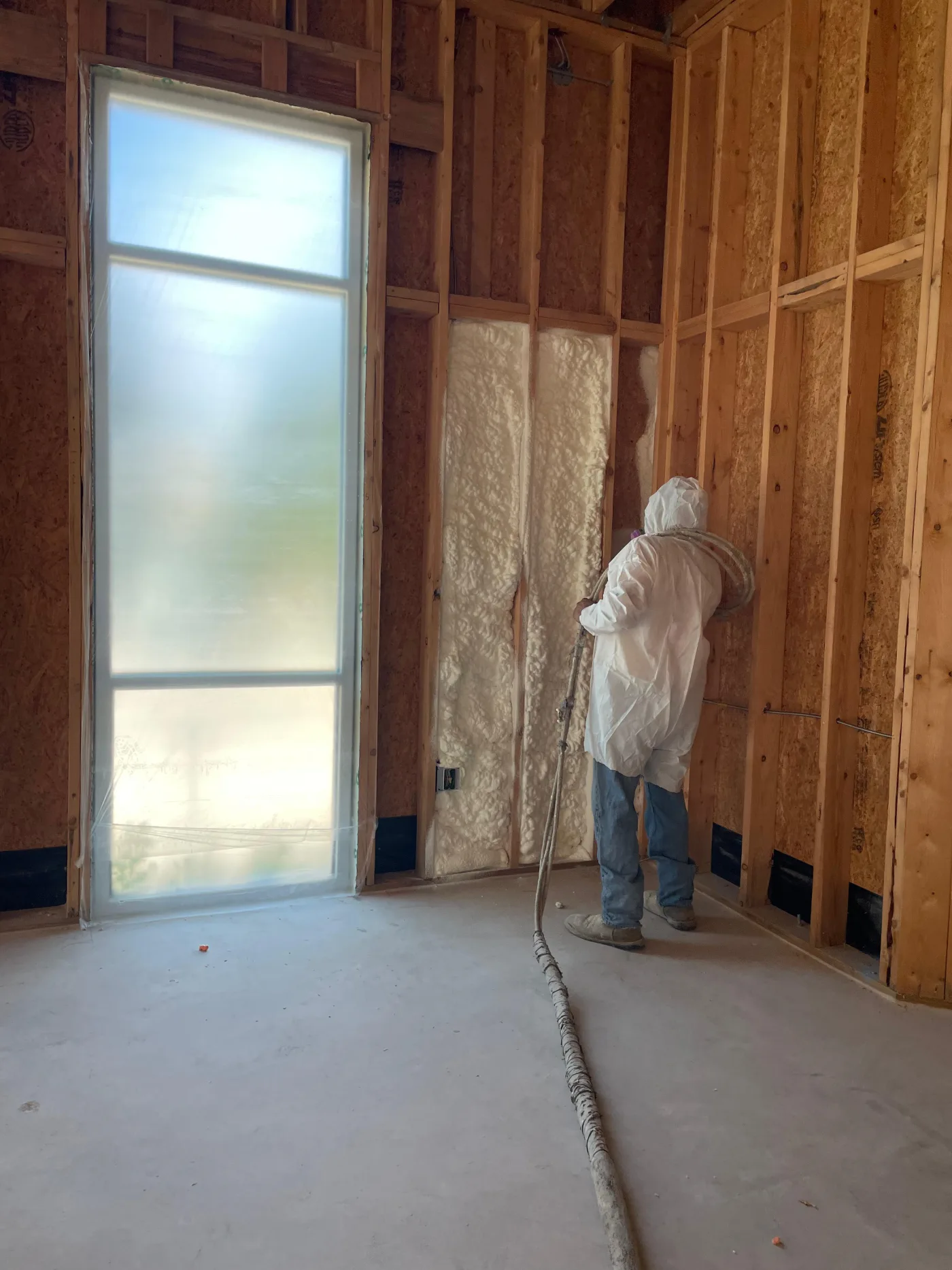
Pier and Beam Crawl Space Insulation for San Antonio Homes
Attic Insulation Around Solar Panels in San Antonio: What to Check Before and After Roof Work
Need Professional Help?
Insulation Pros SATX helps homeowners across San Antonio, Bexar County, and nearby Central Texas communities with attic insulation, spray foam, blown-in insulation, radiant barrier, crawl space, and removal projects.