
Radiant Barrier
How Radiant Barriers Work in San Antonio's Heat
Learn how radiant barriers reflect South Texas solar heat, cut attic temperatures by up to 30 degrees, reduce AC strain, and lower your energy bills in San Antonio.
Service Insights
Key facts that shape the recommendation.
Radiant barriers reflect up to 97% of radiant heat instead of absorbing it.
Adding a barrier can lower attic temperatures by 30°F or more on hot summer days.
They work best when paired with adequate R-value attic insulation.
Reduced attic heat directly cuts down on HVAC runtime and lowers electric bills.
The science of beating the South Texas sun
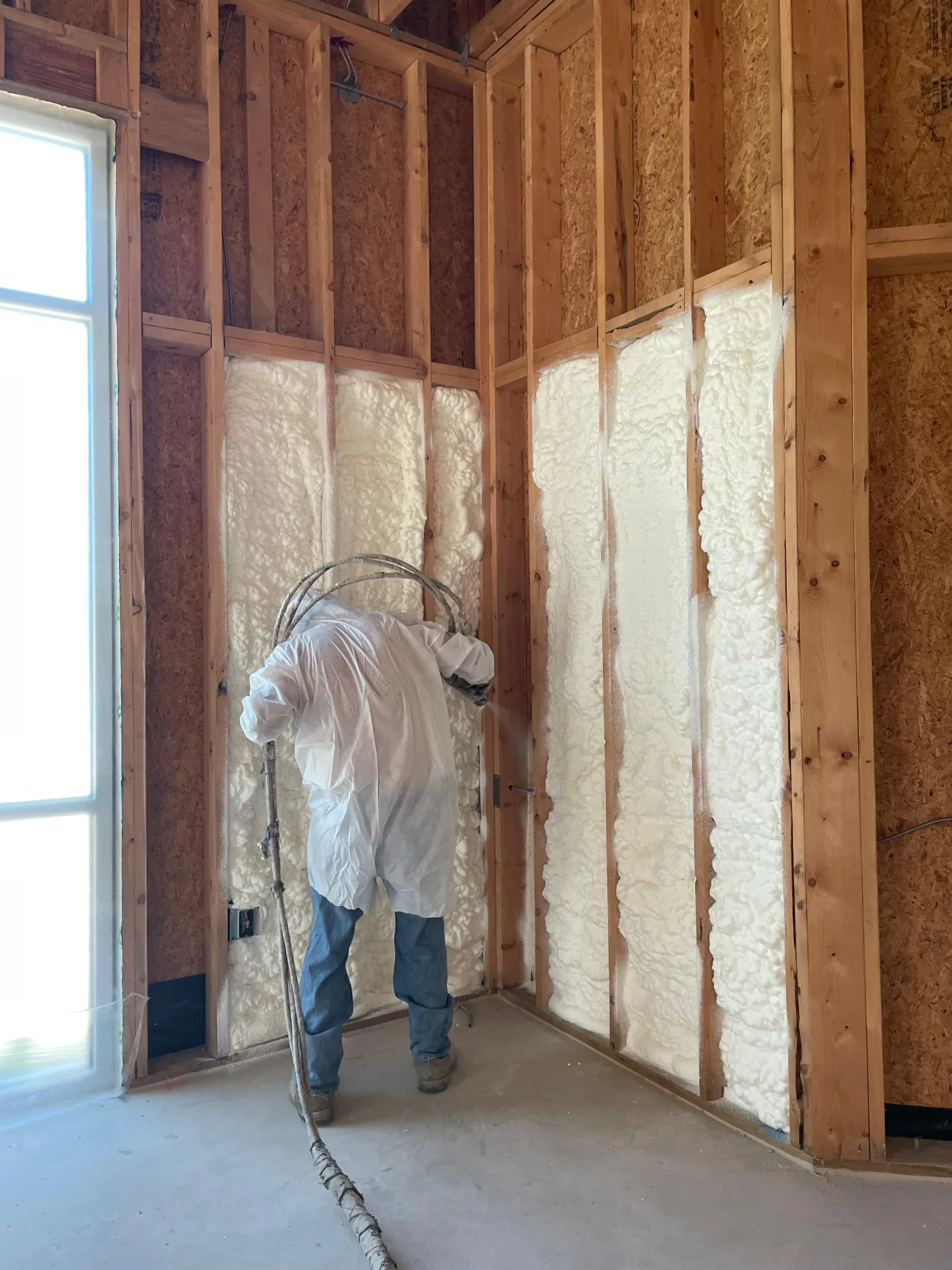
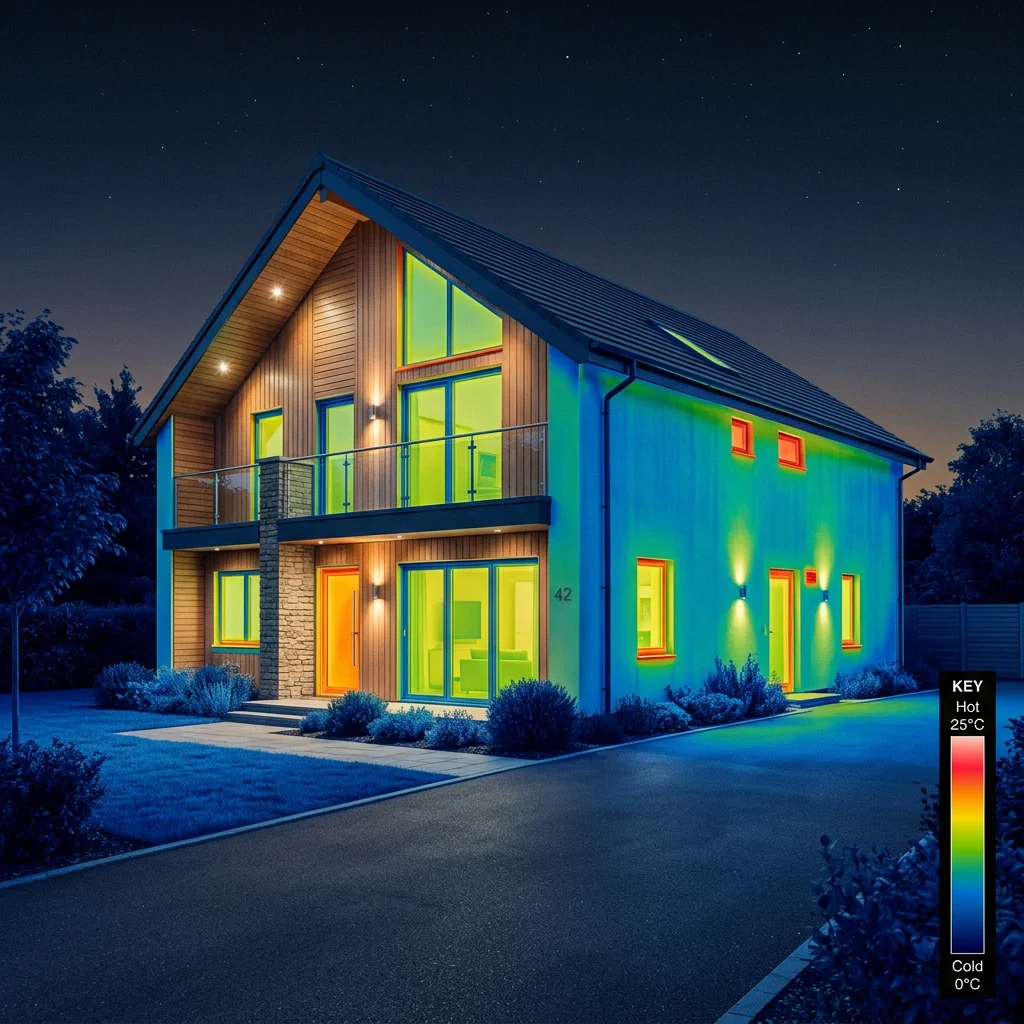
In San Antonio, summer heat doesn't just warm the air; it radiates directly from the sun, baking your roof shingles. The shingles absorb this radiant energy, conduct it through the roof deck, and radiate it downward onto your attic floor. Traditional attic insulation acts like a sponge, slowing down the heat transfer but eventually absorbing and releasing it into your home. This is where a radiant barrier San Antonio TX upgrade steps in. Rather than absorbing heat, a radiant barrier acts as a mirror, reflecting up to 97% of that radiant heat back out through your roof vents.
Installing a radiant barrier along your rafters keeps the heat from entering your attic space in the first place. When paired with high R-value attic insulation, you create a two-layer defense system that keeps your home cooler, protects your HVAC ductwork, and reduces your cooling costs during the peak Texas summer.
How radiant barriers cut your electric bills
Your air conditioning system is under immense strain when attic temperatures soar past 130°F. Since most San Antonio homes have their AC ductwork running through the attic, that superheated air can warm the cold air inside your ducts before it even reaches your rooms. By reflecting heat away, a radiant barrier helps keep attic temperatures closer to the outside air temperature, typically lowering it by 30 degrees or more. This means your ductwork doesn't have to fight a furnace-like environment, and your AC unit can cycle off sooner, saving you money.
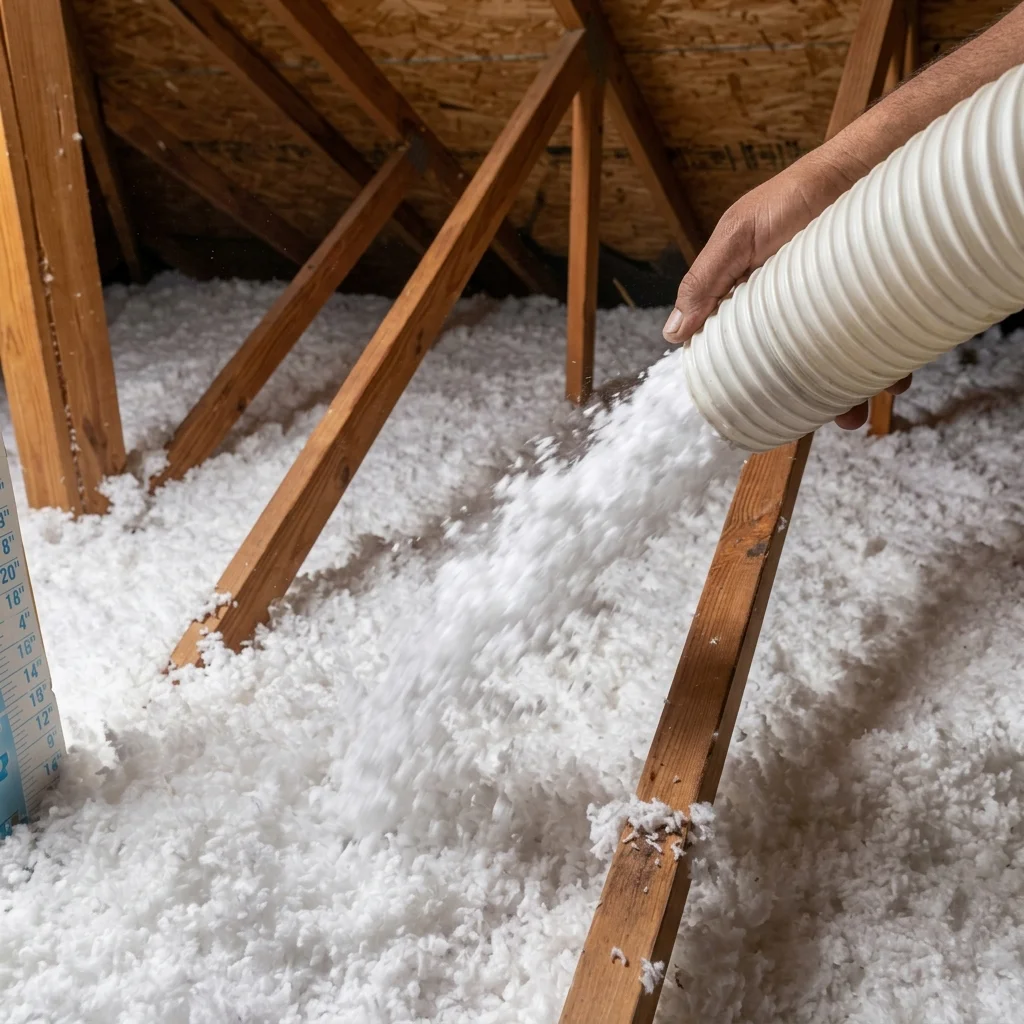
If you've noticed that your HVAC system runs constantly from June through September but your home still feels warm, a combination of a radiant barrier and blown-in insulation can target both radiant and conductive heat transfer. This dual approach provides some of the fastest ROI for energy efficiency improvements in the Bexar County area.
Professional installation vs. DIY foil
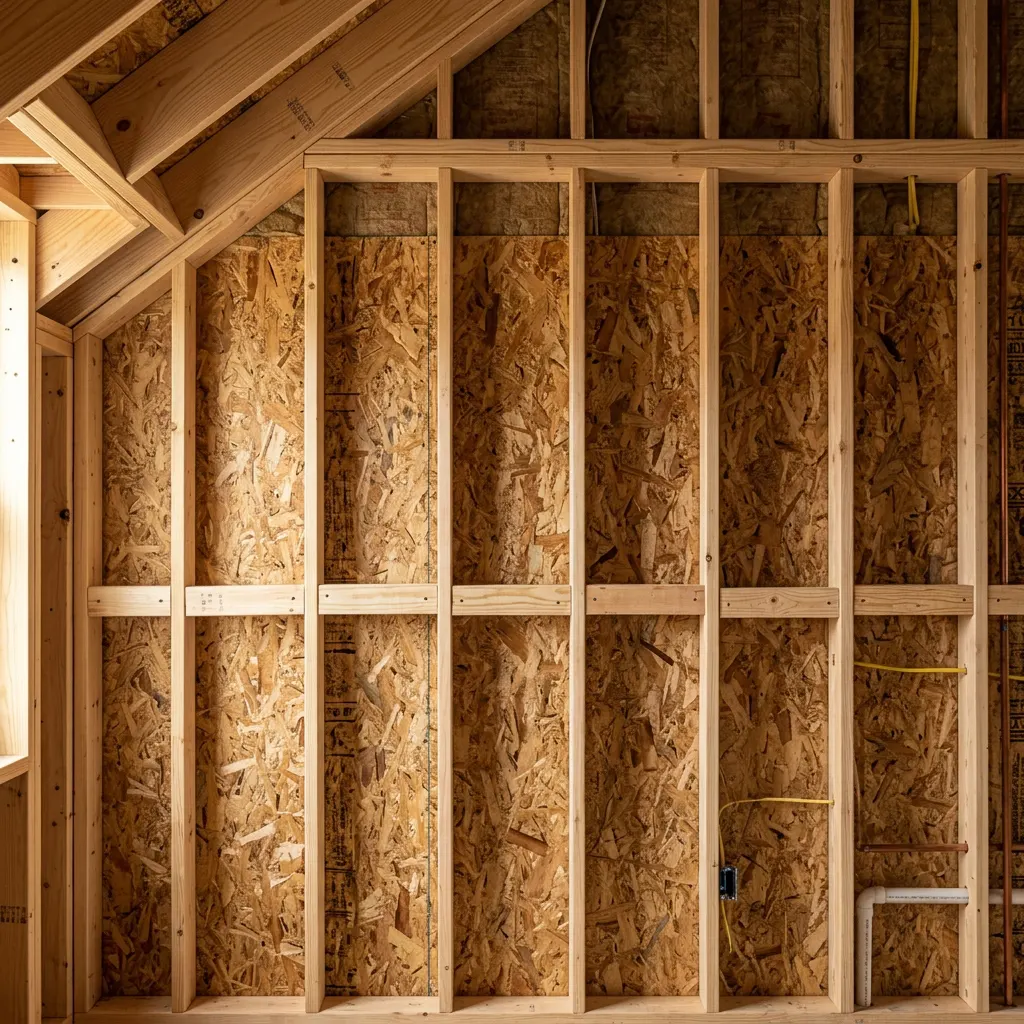
While you can purchase foil rolls at home improvement stores, professional installation is crucial for long-term performance. Radiant barriers require a clean air space next to the reflective surface to work. If dust settles on a horizontally laid foil barrier over time, or if the foil is installed without proper ventilation pathways, it loses its reflectivity and can trap moisture. Professional installers attach the barrier to the rafters or use radiant barrier decking, ensuring the necessary air gap and maintaining proper attic ventilation.
At Insulation Pros SATX, we assess your attic's ventilation, existing insulation depth, and roof structure to design a system that maximizes heat reflection without creating moisture risks. If your attic has old, dusty, or pest-damaged material, we may recommend insulation removal before installing your new energy-saving barriers and fresh insulation.
Expert Note
Ventilation is the key to radiant barrier success
A radiant barrier needs proper airflow from soffit vents to ridge vents to carry reflected heat away. Without ventilation, the heat gets trapped, defeating the purpose of the barrier.
Questions Answered
Straight answers before you book the estimate.
The cost of a radiant barrier installation in San Antonio typically ranges from $1,200 to $3,500, depending on your attic size, roof design, and whether it is installed as a stand-alone barrier or part of a comprehensive attic insulation upgrade. Contact us at (210) 239-2660 for a free attic estimate.
No, radiant barriers do not replace traditional insulation. Radiant barriers stop radiant heat transfer (from solar radiation), while traditional insulation (like blown-in fiberglass or cellulose) stops conductive heat transfer. You need both to maximize your home's comfort and energy efficiency in South Texas.
Modern radiant barriers generally do not impact standard indoor Wi-Fi signals because your router is inside the living space. In some rare cases, they can slightly reduce cellular reception inside the attic, but they typically do not affect cell service in the main rooms of your home.
When professionally installed under the rafters, radiant barriers are protected from dust accumulation and can last the lifetime of your roof. They do not degrade, settle, or require maintenance once installed correctly.
Related Routes
Explore Our Energy Saving Services
Discover how we combine radiant shields and traditional insulation to maximize your home comfort.
Radiant Barrier
Learn more about how we install reflective heat shields along your roofline to block solar radiation.
Learn MoreAttic Insulation
Upgrade your attic floor insulation to complete your thermal envelope and keep cooling inside.
Learn MoreRequest a Free Estimate
Get a professional attic assessment and a transparent quote customized for your home.
Learn MoreNext Step
Ready to stop the Texas sun from baking your home?
Contact San Antonio's highest-rated insulation contractor today. We'll perform a complete attic inspection and find the best way to lower your energy bills.
Follow our insulation guides

Related Services
Book the service behind this article
If you are reading this because there is an active issue at home, these are the most relevant Insulation Pros SATX bookings to start with.
Keep Reading
Related Articles
Stone Oak Radiant Barrier in San Antonio: When Roof Heat Is the Real Problem
Radiant Barrier Over Existing Insulation in San Antonio: When It Makes Sense
Radiant Barrier Roof Decks in San Antonio: When They Help
Need Professional Help?
Insulation Pros SATX helps homeowners across San Antonio, Bexar County, and nearby Central Texas communities with attic insulation, spray foam, blown-in insulation, radiant barrier, crawl space, and removal projects.