
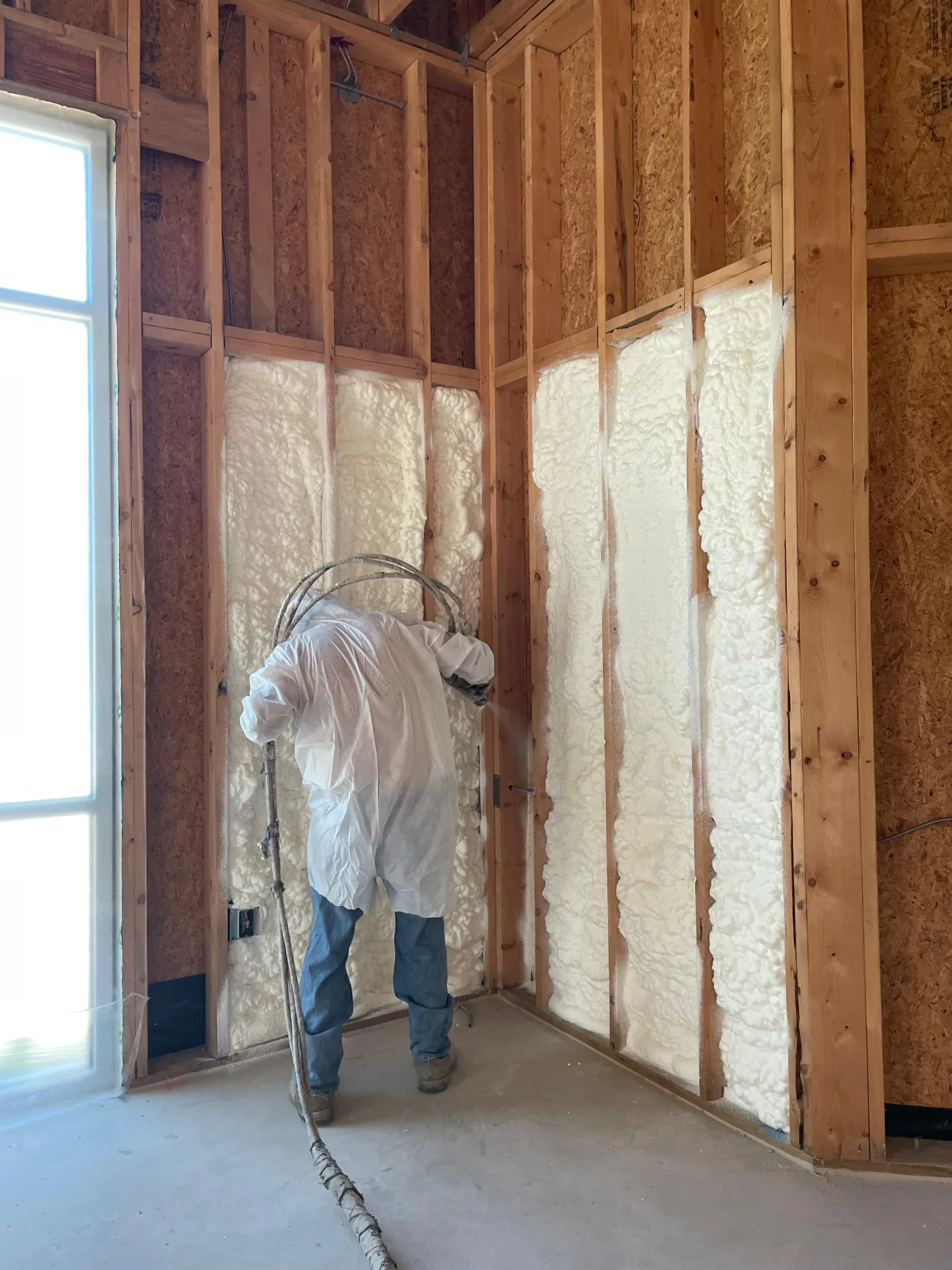
Spray Foam
Spray Foam Roof Deck Insulation in San Antonio: When It Makes Sense
Spray foam at the roof deck can help certain San Antonio homes by moving the thermal boundary to the roofline. Learn when it makes sense and when attic-floor insulation is the better first step.
Service Insights
Key facts that shape the recommendation.
Spray foam roof deck insulation moves the insulation layer from the attic floor to the roofline.
It can make sense when ductwork or equipment sits in a very hot attic and the roofline can be sealed correctly.
It is not the automatic answer for every home; attic-floor insulation may be simpler and more cost-effective.
The roof deck, ventilation strategy, moisture conditions, and existing insulation should be reviewed first.
What is spray foam roof deck insulation?
Spray foam roof deck insulation is foam applied to the underside of the roof deck instead of loose-fill insulation placed only on the attic floor. In simple terms, it shifts the thermal boundary to the roofline. That can reduce how much extreme attic heat surrounds ducts, air handlers, storage areas, and rooms below the attic during San Antonio summers.
Spray foam insulation in San Antonio is most useful when air sealing and insulation value need to work together in a roofline, wall cavity, or hard-to-control attic space. The roof deck approach is a bigger decision than a standard top-off because ventilation, moisture behavior, roof condition, existing insulation, and HVAC setup all matter. A contractor should inspect those conditions before recommending roof deck foam.
When roof deck foam makes sense in San Antonio
Roof deck foam can make sense when the attic is part of the comfort problem and important mechanical systems sit inside that hot attic. It may also fit certain remodels, additions, bonus rooms, roofline conversions, or homes where air leakage at the roofline is a major issue. In Bexar County and NW San Antonio, the goal is usually to reduce the attic heat load that drives long HVAC runtime and uncomfortable rooms.
It does not make sense to sell roof deck foam before checking simpler attic improvements. Some homes are better served by attic insulation at the ceiling plane, air sealing, or a radiant barrier instead. The right recommendation depends on the attic layout, budget, roof condition, and how the home is actually losing comfort.
What to inspect before spraying the roof deck
Before spraying the roof deck, the attic should be inspected for roof leaks, moisture staining, ventilation design, existing insulation, duct condition, electrical access, and whether any combustion or mechanical equipment needs special review. Old attic-floor insulation may also need to be removed or managed depending on the final design. This is why roof deck foam should be scoped as an attic system, not just a product sprayed overhead.
Homeowners should also understand the tradeoff between roof deck foam and attic-floor insulation. A standard blown-in insulation top-off may solve a shallow attic for less complexity, while roof deck foam may be better when the attic itself needs to be brought closer to the conditioned space. Insulation Pros SATX can walk through both paths before giving a recommendation.
Expert Note
Roof deck foam is a system decision
Do not compare roof deck foam to a simple attic top-off by material alone. The right choice depends on the attic boundary, duct location, roof condition, moisture risk, and comfort goals.
Questions Answered
Straight answers before you book the estimate.
It can be a good fit for some San Antonio homes, especially when attic heat, roofline air leakage, or attic ductwork affects comfort. It is not automatically the best choice for every attic, so inspection comes first.
Attic-floor insulation protects the living space at the ceiling plane. Roof deck foam moves the insulation and air-sealing layer to the underside of the roof deck, which can bring the attic closer to conditioned space.
Sometimes. Existing attic-floor insulation may need to be removed or managed depending on the final attic design, cleanliness, access, moisture condition, and whether the attic boundary is being changed.
It may help reduce HVAC runtime when attic heat and attic duct conditions are part of the problem. The result depends on the home, duct layout, air sealing, thermostat habits, and the existing insulation condition.
Radiant barrier and roof deck foam solve different problems. Radiant barrier targets radiant roof heat, while spray foam can add insulation value and air sealing at the roofline. The better choice depends on the attic and comfort goal.
Related Routes
Compare the attic upgrade paths
These services help choose between roof deck foam, attic-floor insulation, and radiant heat control.
Spray Foam Insulation
Review roofline, wall cavity, and air-sealing uses for San Antonio homes.
Learn MoreAttic Insulation
Compare attic-floor insulation when the ceiling plane is the practical upgrade path.
Learn MoreFree Estimate
Have Insulation Pros SATX inspect the attic before choosing the system.
Learn MoreNext Step
Get the right attic system before you spray foam
Insulation Pros SATX helps homeowners across San Antonio, Leon Springs, Helotes, Alamo Ranch, Stone Oak, and nearby Central Texas communities evaluate spray foam roof decks, attic insulation, radiant barrier, and air sealing. Call (210) 239-2660 or request a free estimate.
Follow our insulation guides

Related Services
Book the service behind this article
If you are reading this because there is an active issue at home, these are the most relevant Insulation Pros SATX bookings to start with.
Keep Reading
Related Articles
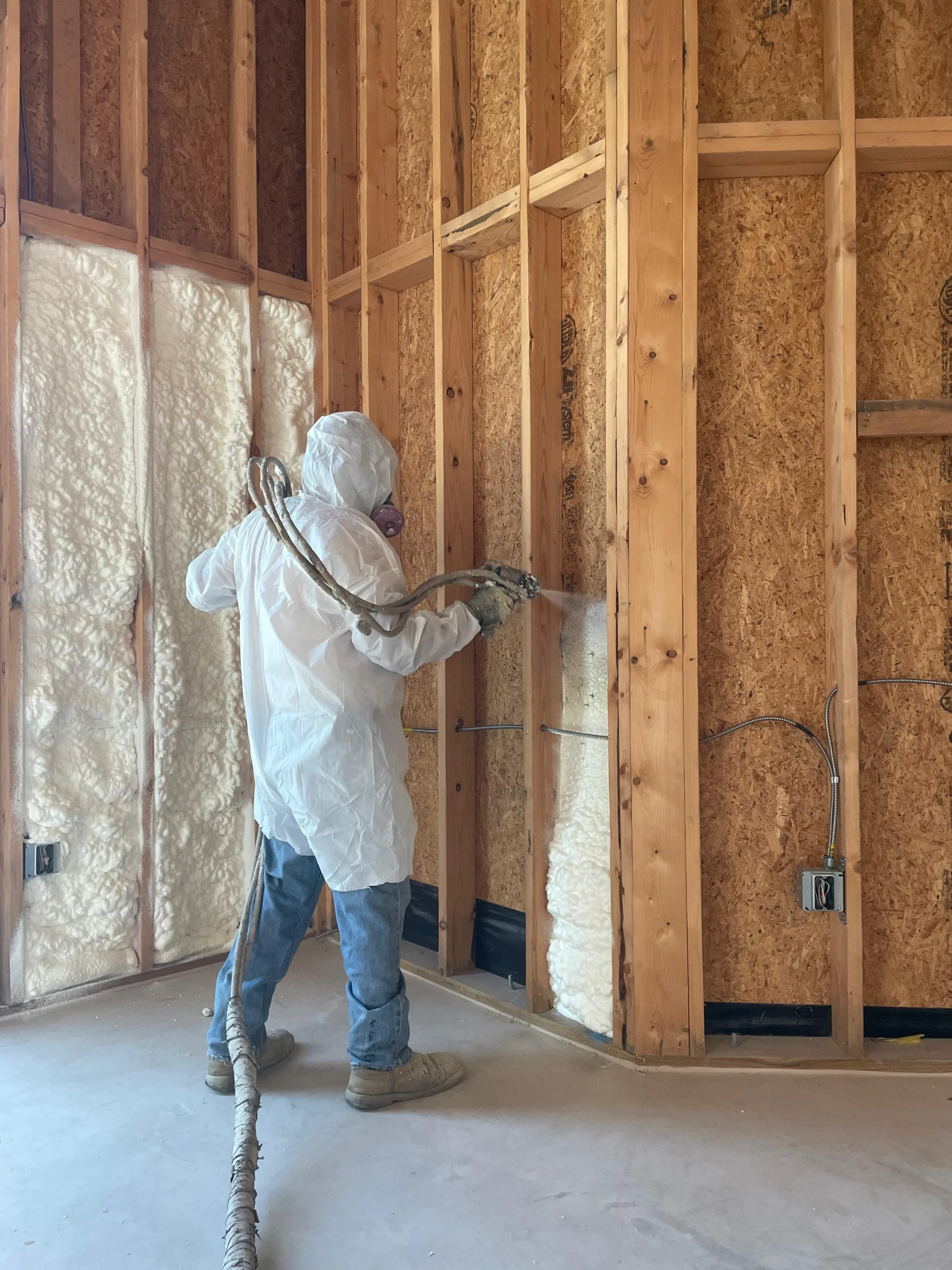
Spray Foam Insulation in Helotes, TX: When Air Sealing Matters Most
Spray Foam Insulation for Metal Buildings and Barndominiums in San Antonio
Attic Insulation Around Solar Panels in San Antonio: What to Check Before and After Roof Work
Need Professional Help?
Insulation Pros SATX helps homeowners across San Antonio, Bexar County, and nearby Central Texas communities with attic insulation, spray foam, blown-in insulation, radiant barrier, crawl space, and removal projects.